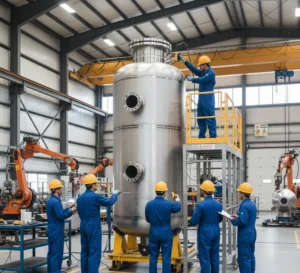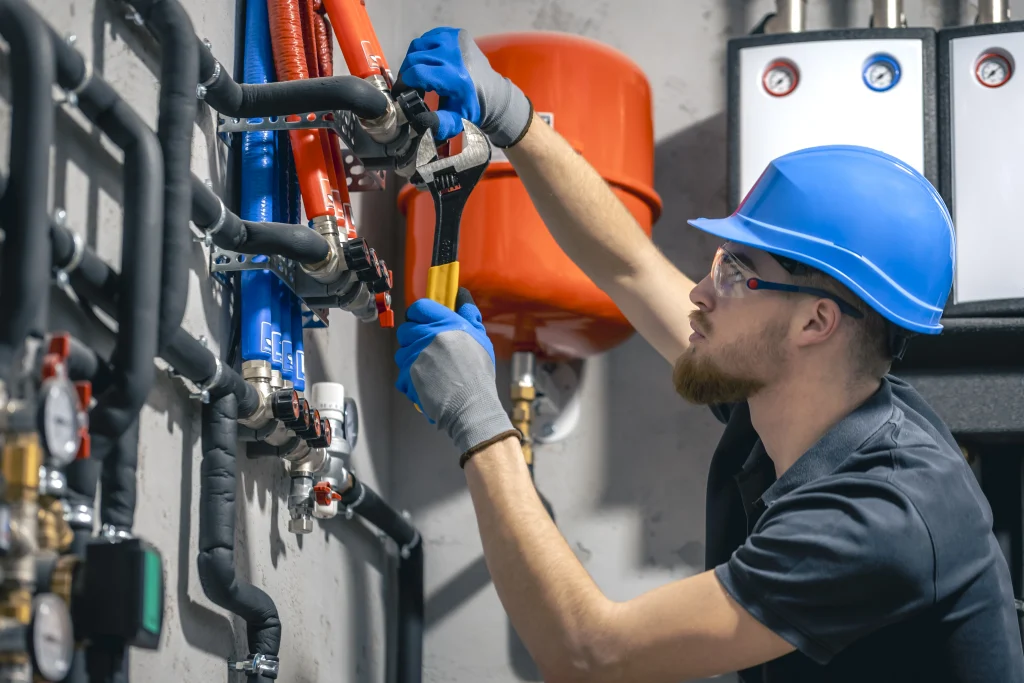
To inspect a pressure vessel effectively, follow a structured process: start with an external visual survey, then perform an internal inspection (after depressurizing), use non-destructive testing (NDT) to find hidden defects, and finish by confirming documentation/code compliance (often ASME) plus a final pressure test and sign-off. Doing this regularly catches corrosion, cracks, and thinning early reducing downtime, cost, and safety risk.
Your Complete Guide on How Do You Inspect a Pressure Vessel
If you need to ensure a pressure vessel runs safely and meets all industry standards, the inspection process is your first line of defense. How do you inspect a pressure vessel effectively? By spotting flaws early such as weld cracks or corrosion you reduce operational risks and extend the vessel’s lifespan. In many cases, recognized standards such as ASME guide the procedures, helping you avoid costly failures and maintain compliance with ASME-certified pressure vessels.
Pressure vessels are used across industries, from power generation to compressed air systems, making proper inspection essential.
Below, we’ll walk through the major checkpoints, from quick visual reviews to advanced non-destructive testing.
How Do You Inspect a Pressure Vessel?
A thorough inspection usually combines external checks, internal examination, and documentation verification. Understanding the purpose of a pressure vessel helps inspectors know where failures are most likely to occur. Here are the common steps in a comprehensive inspection:
Do an external survey first
- Look for signs of rust or corrosion around the shell and seams.
- Check the vessel’s pressure gauge and fittings for damage or leaks.
- Confirm all labels and safety markings are legible.
- Note any deformations or dents that might suggest hidden structural issues.
These early checks are especially important for vessels used in water systems or air receiver tanks where moisture can accelerate corrosion.
If anything appears abnormal, pause and investigate further before continuing.
Review the interior conditions
Once the exterior passes inspection, the vessel must be isolated, depressurized, and drained. Internal inspections focus on:
- Pitting or wall thinning
- Weld integrity in high-stress zones
- Corrosion near liquid or vapor interfaces
Using proper lighting, mirrors, or borescopes is critical, especially for vessels fabricated using complex metal fabrication processes.
Understanding how a vessel was built such as whether it used precision sheet metal fabrication or heavy plate rolling can help inspectors anticipate problem areas.
Conduct non-destructive testing
Visual checks only go so far. Techniques like ultrasonic testing, radiographic (X-ray) inspection, or magnetic particle inspection help detect internal cracks or material thinning that you can’t see. For example:
- Ultrasonic: Sends sound waves through metal to measure thickness.
- Radiographic: Uses X-rays to spot hidden weld defects or pores.
- Magnetic particle: Highlights surface and near-surface cracks in ferrous metals.
These methods are especially important for vessels built for harsh environments or high-pressure service, such as forged pressure vessels.
You can explore these techniques in more depth in Red River’s comprehensive guide to pressure vessel inspection.
Verify documentation and compliance
Strong documentation matters more than many realize. Make sure your vessel aligns with relevant codes and that all inspection records are updated. ASME certification, for instance, indicates that the vessel meets minimum safety guidelines for construction. This is especially vital if you plan future modifications, because inspectors will look for proof of consistent care:
- Maintenance logs with dates and findings
- Certificates like U4 or R stamps (for repairs or alterations)
- Signed-off reports from certified inspectors
This step is closely tied to quality assurance in custom pressure tank manufacturing and ensures the vessel still meets code after repairs or modifications.
For insight into why this matters, review the importance of ASME certification in quality assurance.
Final sign-off
After reviewing the data, complete a final safety checklist. Confirm that any repairs have been handled according to code, and that the vessel’s pressure rating is still valid. This step often includes a hydrostatic or pneumatic test to confirm the vessel’s integrity under pressure. Once you’ve cleared all steps, label your vessel and keep those records handy for regulators or future reference.
Advanced Inspection Methods
Some vessels operate under extreme temperatures or in chemical environments, so standard checks may not be enough. In these cases, advanced software tools can help you map areas of frequent corrosion or stress. Companies like Red River, an ASME-certified manufacturer, integrate rigorous quality control measures (including full traceability of materials) from the start to reduce headaches come inspection time. Prefabrication in a controlled environment is also an emerging trend. It allows tighter oversight of every weld, which can simplify your on-site inspection in the long run.
Inspect a Pressure Vessel Effectively
A thorough inspection is both a proactive safety measure and an investment safeguard. How do you inspect a pressure vessel properly? You start by examining the vessel’s exterior, then move inside to assess welds and surfaces, and finally run non-destructive tests to detect hidden flaws. Documentation and certifications ensure ongoing compliance.
A well-inspected vessel not only protects people and property but also reduces downtime and costs. Partnering with a reputable manufacturer that follows ASME guidelines and advanced fabrication methods makes the entire process more efficient.
Need a Reliable Partner?
Red River specializes in the design and manufacturing of pressure vessels. We also fabricate related items such as prefabricated spools and modular skids.
Reach out to us today and experience the Red River difference. Where American-made products and American Values come together, we care more.
Frequently Asked Questions
1. What is pressure vessel manufacturing inspection?
Pressure vessel manufacturing inspection is a comprehensive quality control process that occurs during fabrication to ensure the vessel meets design specifications, material standards, and safety codes like ASME before it enters service.
2. How often should pressure vessels be inspected?
Pressure vessels should typically be inspected annually for routine checks, with more thorough inspections every 3-5 years depending on the operating conditions, regulatory requirements, and the vessel’s age and service history.
3. Is a visual inspection enough?
No. Visual checks can miss hidden cracks or thinning. Non-destructive testing is essential for a full picture of vessel health.
4. Do I need to shut down the vessel for inspection?
Usually yes. Vessels must be depressurized and emptied for internal checks. Some external tests can be done during partial operation.
5. Are prefabricated pressure vessels easier to inspect?
Yes. Controlled environment fabrication often improves weld quality, simplifying future inspections.
6. Does documentation really matter for inspections?
Absolutely. Proper logs prove compliance, speed inspections, and record past repairs or part replacements.
Key Takeaways
- Catching minor flaws early helps you avoid major repairs or accidents.
- Combining visual checks with non-destructive testing reveals both surface and hidden issues.
- ASME certification ensures a baseline for safety and reliability.
- Regularly updated documentation streamlines future inspections and approvals.
- Prefabrication and quality control from a reputable vessel manufacturer can reduce overall inspection headaches.
Related Blog Post
Pressure Vessel Design & Engineering: Concept to Launch
What is Pressure Vessel Design and Engineering: Code-Ready Guide
What are the Key Factors in Pressure Vessel Engineering
How Do You Design a Pressure Vessel: A Step-By-Step Guide