
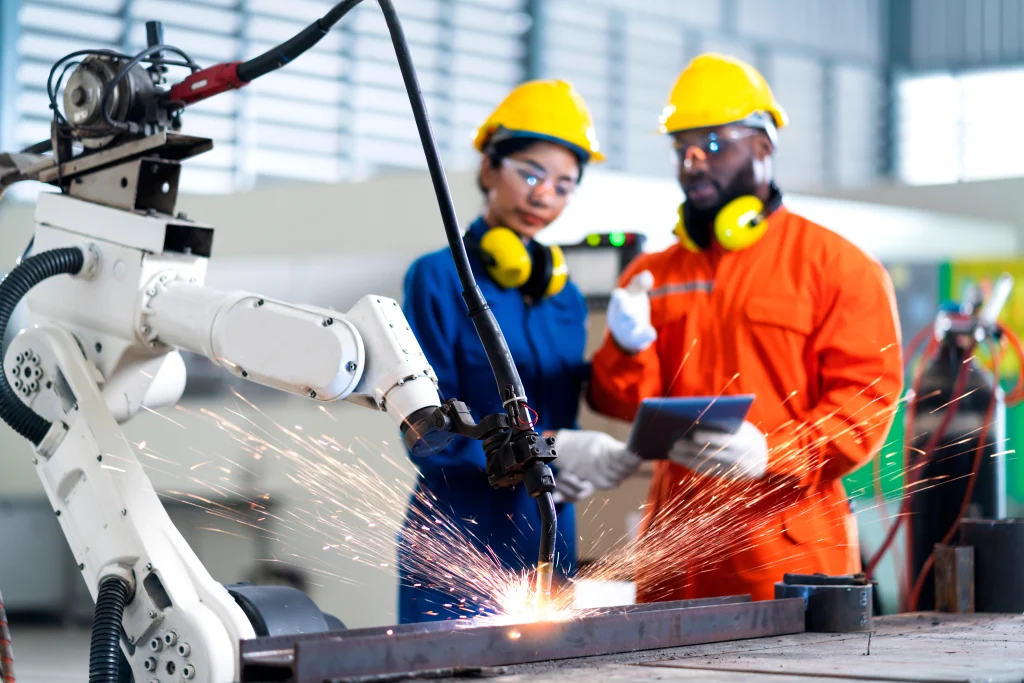
Manufacturing automated pressure vessels improves precision, safety, and efficiency by integrating robotics, CNC machining, and digital monitoring systems. This approach supports consistent quality while reducing risks and production delays.
The Role of Manufacturing Automated Pressure Vessels
Manufacturing automated pressure vessels has become a defining advancement in modern industrial fabrication. As industries demand higher safety margins, tighter tolerances, and faster delivery timelines, automation provides a practical solution without sacrificing reliability. By integrating robotics, programmable systems, and digital controls, manufacturers can meet evolving performance expectations while maintaining compliance with strict industry standards.
Historically, pressure vessel fabrication relied heavily on manual processes such as welding, cutting, and inspection. While skilled labor remains essential, manual workflows often resulted in longer lead times and inconsistent results. Manufacturing automated pressure vessels introduces repeatable, data-driven processes that reduce variation and support predictable outcomes across every production cycle.
How Manufacturing Automated Pressure Vessels Improves Production
Improved Precision and Product Quality
One of the primary benefits of manufacturing automated pressure vessels is precision. Automated pressure vessel manufacturing relies on digital models and programmed instructions to guide each stage of fabrication. Robotic welding systems and CNC-controlled equipment follow exact specifications, ensuring every weld, cut, and formed component aligns with design requirements.
This level of control minimizes defects associated with manual variation. Weld penetration, bead consistency, and alignment are monitored and adjusted automatically, resulting in vessels that perform reliably under pressure. Consistent quality also simplifies inspections and reduces rework, supporting long-term durability.
Increased Efficiency and Throughput
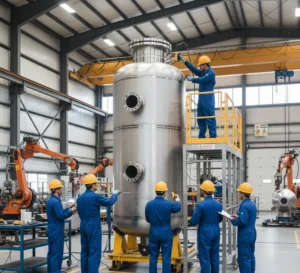
Automation significantly improves production efficiency. Manufacturing automated pressure vessels streamlines workflows by integrating material handling, welding, machining, and inspection into coordinated systems. Tasks that once required multiple handoffs can now be completed in a continuous sequence.
Automated pressure vessel manufacturing reduces downtime by identifying bottlenecks early and maintaining steady production rates. Real-time data collection allows teams to adjust processes quickly, keeping projects on schedule without compromising quality.
Enhanced Workplace Safety
Safety remains a central concern in pressure vessel fabrication. Manufacturing automated pressure vessels reduces worker exposure to hazardous environments by assigning high-risk tasks to machines. Robotic systems handle extreme heat, heavy components, and confined operations, lowering the likelihood of workplace injuries.
Remote monitoring tools further enhance safety by allowing inspections and testing to be conducted from controlled environments. This approach protects personnel while maintaining thorough oversight of every manufacturing stage.
Automation Technologies Used in Manufacturing Automated Pressure Vessels
Robotic Welding Systems
Robotic welding is a cornerstone of manufacturing automated pressure vessels. These systems deliver uniform welds that meet demanding strength and integrity requirements. Automated welding supports repeatability, which is essential for vessels designed to operate under sustained pressure.
Robotic welders also improve documentation by recording parameters such as temperature, speed, and amperage. This data supports audits, inspections, and long-term quality assurance.
CNC Machining and Laser Cutting
CNC machining enables precise shaping of pressure vessel components, including shells, heads, and nozzles. Manufacturing automated pressure vessels depends on CNC systems to maintain tight tolerances and consistent geometry across production runs.
Laser cutting adds flexibility by supporting complex designs without sacrificing accuracy. Together, these technologies improve fit-up, reduce material waste, and enhance overall vessel integrity.
Digital Monitoring and IoT Integration
Digital monitoring systems play a growing role in automated pressure vessel manufacturing. Sensors track parameters such as weld temperatures, material thickness, and alignment in real time. This data supports predictive maintenance and early detection of potential issues.
IoT integration also improves traceability by linking production data to individual vessels. This capability is particularly valuable in regulated industries where documentation and compliance are critical.
Challenges in Manufacturing Automated Pressure Vessels
While manufacturing automated pressure vessels offers clear advantages, it also presents challenges that require careful planning. Initial investments in robotics, CNC equipment, and software infrastructure can be significant. Ongoing maintenance and system updates are also necessary to maintain performance.
Another challenge is workforce development. Automation does not replace skilled workers but shifts their roles toward programming, monitoring, and quality control. Manufacturers must invest in training to ensure teams can effectively manage advanced systems.
Balancing automation with human expertise is essential. Skilled professionals provide judgment, oversight, and problem-solving capabilities that technology alone cannot replace.
Bridging Innovation With American Craftsmanship
Manufacturing automated pressure vessels represents a strategic evolution rather than a departure from traditional values. Automation enhances consistency and safety while preserving the importance of craftsmanship, accountability, and attention to detail.
By combining advanced technology with experienced personnel, manufacturers can deliver pressure vessels that meet modern performance expectations without compromising reliability. This balanced approach supports long-term operational success and reinforces confidence in American-made industrial equipment.
Manufacturing Automated Pressure Vessels as a Long-Term Advantage
Manufacturing automated pressure vessels supports safer operations, consistent quality, and scalable production. Automation enables manufacturers to meet rising industry expectations while maintaining compliance and reliability. By integrating robotics, CNC machining, and digital monitoring, pressure vessel fabrication becomes more predictable and resilient.
This approach positions manufacturers to adapt to future demands without sacrificing performance or safety. Automation, when applied thoughtfully, strengthens both production capability and product integrity.
Need a Reliable Partner?
Red River specializes in the design and manufacturing of pressure vessels. We also fabricate related items such as prefabricated spools and skid packages.
Reach Out to us today and experience the Red River difference. Where American Made and American Values come together, we care more.
Contact us: https://www.redriver.team/contact
Request a quote: https://www.redriver.team/request-a-quote
Frequently Asked Questions
1. What is manufacturing automated pressure vessels?
Manufacturing automated pressure vessels involves using robotics, CNC systems, and digital controls to automate fabrication tasks such as welding, cutting, and inspection. This improves consistency and efficiency throughout the production process.
2. Why is automation important in pressure vessel manufacturing?
Automation improves safety, reduces human error, and increases production speed. Manufacturing automated pressure vessels also supports consistent quality and predictable outcomes.
3. Are automated pressure vessels safe for industrial use?
Yes. Automated pressure vessel manufacturing enhances safety by producing uniform welds, enabling real-time monitoring, and reducing exposure to hazardous working conditions.
4. Does manufacturing automated pressure vessels eliminate skilled labor?
No. Automation complements skilled labor by handling repetitive or dangerous tasks. Human expertise remains essential for oversight, programming, and quality assurance.
5. What industries benefit from manufacturing automated pressure vessels?
Industries that require reliable, high-quality containment systems benefit most, particularly those with strict safety, performance, and documentation requirements.
6. Is manufacturing automated pressure vessels sustainable?
Yes. Automated systems improve material efficiency, reduce waste, and optimize energy use, contributing to more sustainable manufacturing practices.
Key Takeaways
- Manufacturing automated pressure vessels improves safety, consistency, and efficiency
- Automation reduces defects while supporting compliance and documentation
- Robotic welding and CNC machining enhance precision and repeatability
- Digital monitoring enables predictive maintenance and quality control
- Automation works best when paired with skilled human oversight
Related Blog Post
Pressure Vessel Design & Engineering: Concept to Launch
What is Pressure Vessel Design and Engineering: Code-Ready Guide
What are the Key Factors in Pressure Vessel Engineering
How Do You Design a Pressure Vessel: A Step-By-Step Guide
What is Pressure Vessel Fabrication and Manufacturing
- Pressure Vessels in Manufacturing: Applications and Compliance
- Pressure Vessels in America: Safe & Efficient Chemical Processing
- Pressure Vessels Automotive Industry
- Pressure Vessels Aerospace Industry: Engineering Safety
- Pressure Vessels Pharmaceutical Manufacturing: Safety & Precision
- Pressure Vessel Supply Chain Challenges in America



