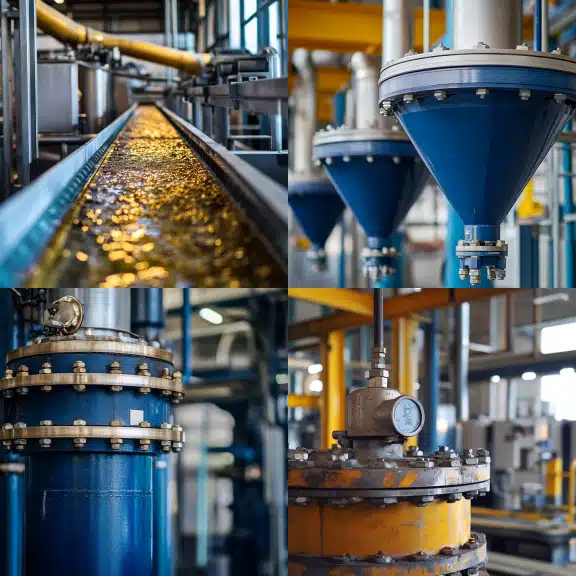
Retention time in a separator refers to the amount of time a substance stays within the separator during the separation process. Proper retention time is critical for maximizing separation efficiency, ensuring high product quality, and reducing operational costs. Optimizing retention time improves system performance, lowers downtime, and enhances overall operational profitability.
What is Retention Time in a Separator?
In industrial operations, understanding retention time in a separator is crucial for achieving optimal efficiency. Retention time refers to the period a substance remains within a separator during the separation process. This metric directly affects the performance and output quality of the separation method. Whether handling oil and gas, biogas, or power generation, achieving the correct retention time can significantly improve operational results. Learn more about our capabilities and solutions for industrial separators at Red River.
Definition and Basic Concepts
At its core, retention time is the duration a fluid or gas stays inside a separator. Longer retention times allow more complete separation of components, but the optimal duration depends on the separator type and the process. In oil and gas operations, proper retention time ensures effective separation of oil, gas, and water, minimizing carryover and enhancing product quality. For a deeper dive, explore our pressure vessels and prefabrication services for tailored solutions.
How Retention Time Impacts Separation Efficiency
Retention time is more than just a number it determines the overall efficiency of your separator. Adequate time allows components to settle, coalesce, or separate according to their physical properties. Insufficient retention time can lead to incomplete separation, higher operational costs, and reduced product quality. By optimizing retention time, industrial separators can achieve better yield, lower energy consumption, and higher overall operational performance. Learn about our modular skids that enhance separator efficiency.
Factors Influencing Separator Retention Time
Separator Design and Configuration
A separator’s design and internal setup greatly influence retention time. Vessel shape, internal baffles, and inlet/outlet placement affect how long fluids or gases remain inside. Properly designed separators prevent short-circuiting or dead zones, ensuring effective separation. See examples of our custom pressure tank solutions and air receiver vessels.
Fluid Dynamics and Flow Rates
Fluid dynamics and glide fees are essential to retention time calculations. The velocity at which fluids enter and circulate through the separator affects how long they live in contact with the keeping-apart elements. High drift rates can reduce retention time, making it vital to balance the waft price with the separator’s design to reap the greatest overall performance. Understanding these dynamics enables adjusting the separator to maintain the desired retention time for powerful separation.
Particle Size and Distribution
The size and distribution of particles also affect separation. Larger particles settle faster, needing less retention time, while smaller particles require longer to separate efficiently. Understanding particle distribution helps optimize retention time for maximum performance. Explore our guides on molecular sieves and desiccant dryers.
How to Calculate Retention Time in a Separator
Step-by using-Step Guide to Retention Time Calculation
Retention time (t) can be calculated using the formula:
Retention Time (t) = Volume of Separator (V) ÷ Flow Rate (Q)
- Determine Separator Volume – Obtain the internal volume from specifications or engineering drawings. Learn more about pressure vessel manufacturing.
- Measure Flow Rate – Identify the fluid or gas flow rate, typically in m³/h or GPM.
- Apply Formula – Divide separator volume by flow rate to determine retention time.
Common Mistakes to Avoid During Calculation
- Incorrect Volume Measurement – Ensure the total internal volume is used. See our understanding pressure vessels definitions guide.
- Inaccurate Flow Rate Data – Verify measurements under real operating conditions.
- Ignoring Operating Conditions – Temperature and pressure changes can affect retention time. Reference our testing the vessel procedures.
Why Retention Time Matters for Your Industrial Operations
Impact on Product Quality and Yield
Proper retention time ensures each component has enough time to separate according to physical properties. In oil and gas, it leads to purer outputs, higher yield, and reduced waste. Our R-Stamp welding and ASME-certified pressure vessels support optimal operational performance.
Cost Efficiency and Operational Benefits
Optimizing retention time additionally leads to full-size cost financial savings and operational blessings. When retention time is nicely balanced, you may obtain more efficient separation tactics, lowering the want for added processing or rework. This translates into decreased operational prices and reduced downtime. Moreover, accurate retention time calculations help prevent equipment overload and put on, leading to longer equipment lifespan and fewer upkeep troubles. Ultimately, an optimized retention time boosts usual operational performance and profitability, making it a key issue in industrial success.
Optimize Your Separator Performance Today
Maximizing retention time is key to efficient separation, higher product quality, and lower operational costs. At Red River, we design and manufacture custom pressure vessels, prefabricated spools, and skid packages tailored to your industrial needs. Partner with us to enhance your system’s efficiency, reliability, and profitability.
Contact Red River now and experience the difference of precision-engineered, American-made solutions.
Frequently Asked Questions
1. What factors affect the retention time in a separator?
Several factors influence the retention time in a separator. These include the design and internal configuration of the separator, such as vessel shape and baffle arrangement. Fluid dynamics, including flow rates and pressure, also play a critical role. Additionally, the size and distribution of particles in the mixture impact how long the materials stay in the separator. Each of these factors needs to be optimized based on the specific application to ensure efficient separation.
2. How does retention time impact the efficiency of a separator?
Retention time is crucial for separator efficiency because it determines how effectively different components in a mixture can be separated. A longer retention time generally allows for better separation of components, such as oil, gas, and water in oil and gas separators. Properly calculated retention time ensures that the separator performs at its best, reducing the risk of incomplete separation and improving the quality and yield of the final product.
3. Can retention time be adjusted in existing separator systems?
Yes, retention time can often be adjusted in existing separator systems by modifying operational parameters. This might involve changing the flow rate, adjusting the separator’s internal configuration, or altering the pressure settings. However, significant modifications might require a thorough assessment by a process engineer to ensure that changes do not adversely affect the system’s overall performance or safety.
4. What are the common mistakes made when calculating retention time?
Common mistakes in calculating retention time include using incorrect volume measurements, such as not accounting for the total internal volume of the separator. Another mistake is relying on outdated or inaccurate flow rate data, which can lead to incorrect calculations. Additionally, failing to consider the effects of operating conditions like temperature and pressure can result in errors. Ensuring accurate measurements and accounting for all operational factors can help avoid these mistakes.
5. How can optimizing retention time reduce operational costs?
Optimizing retention time can lead to significant cost savings by improving the efficiency of the separation process. When retention time is correctly set, the separator operates more effectively, which reduces the need for additional processing steps or rework. This efficiency translates into lower operational costs, fewer maintenance issues, and extended equipment lifespan. Additionally, proper optimization can decrease energy consumption and reduce downtime, further contributing to overall cost savings.
Key Takeaways:
- Retention Time Definition: The time a fluid or gas stays in a separator, crucial for separation efficiency and product quality.
- Impact on Separation Efficiency: Proper retention time ensures that components, such as oil, gas, and water, are effectively separated, improving yield and reducing waste.
- Factors Affecting Retention Time: Separator design, flow rates, pressure, and particle size all influence how long materials remain in the separator.
- Optimization Benefits: Correct retention time reduces energy consumption, equipment wear, and operational costs, leading to better efficiency and profitability.
- Calculation of Retention Time: Retention time can be calculated using the formula: Retention Time = Separator Volume / Flow Rate, with accurate data being key for reliable results.
Related Blog Post
Sheet Metal Fabrication Services in Texas: Red River LLC

Why Use Custom Sheet Metal Fabrication for Your Next Project

How Does Custom Sheet Metal Fabrication Work?

What Is Custom Sheet Metal Fabrication? Red River LLC

How to Pass the 5G Welding Test: Proven Strategies
No related articles found.
About Author