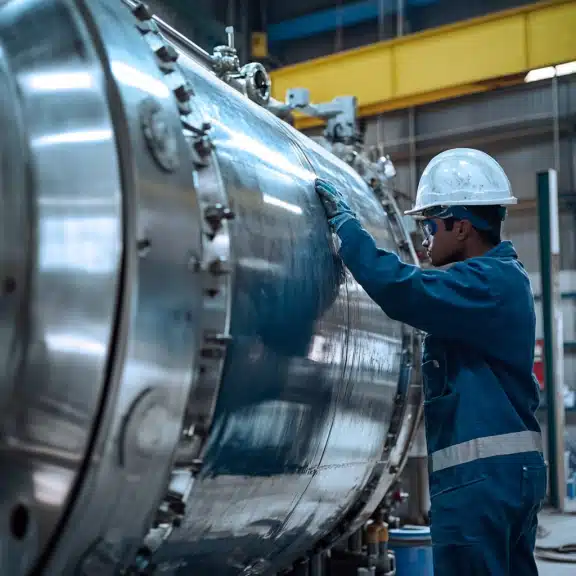
Choosing the right stainless steel for boilers is crucial to ensure corrosion resistance, temperature durability, and long-term performance. Grades like 304, 316, and Duplex 2205 are commonly used based on boiler type, pressure level, and environmental conditions. Matching the grade to your operational needs helps reduce maintenance and extend service life.
Stainless Steel for Boilers: Grades, Benefits & Selection Guide
Selecting the right stainless steel for boilers is crucial for performance, safety, and longevity. At Red River, we specialize in pressure vessels and understand how material choice impacts every aspect of boiler design. Below is a comprehensive guide to the most common stainless steel grades used in boiler construction, their benefits, and how to choose the right one for your application.
Common Stainless Steel Grades for Boilers
Austenitic Stainless Steels for Boilers
Known for their excellent formability, weldability, and corrosion resistance, austenitic grades like 304 and 316 are widely used in boiler components that require deep drawing, bending, or welding.
Use Case: Tubing, cladding, and superheaters in residential and industrial boilers.
Ferritic Stainless Steels in Boiler Systems
Ferritic grades, such as 430, resist stress corrosion cracking and high-temperature oxidation, making them suitable for boilers operating in moderate to high-temperature conditions.
- Use Case: Low-pressure boilers and economizers. Explore ASME pressure vessel codes for more insights.
Martensitic Stainless Steels for Boiler Durability
Offering high strength and hardness, martensitic stainless steels like 410 are used where abrasion and mechanical wear are concerns.
- Use Case: Boiler internals exposed to high mechanical stress and erosion. Learn more about pressure vessel failure mechanisms.
Duplex Stainless Steels in Harsh Boiler Environments
Duplex grades combine the best of ferritic and austenitic steels—offering excellent corrosion resistance and strength.
- Use Case: High-pressure boilers and chemical recovery systems handling aggressive media. Dive deeper into high-pressure vessel standards.
Key Considerations When Selecting Stainless Steel for Boilers
- Corrosion Resistance: Match the steel’s corrosion resistance with the operating environment to ensure long-term performance and safety. Check our material selection guide.
- Temperature Resistance: Ensure the selected grade can withstand the expected thermal loads without degradation. Explore the impact of temperature on pressure vessels.
- Mechanical Properties: Factor in tensile strength, hardness, and ductility to meet performance standards.
- Cost vs. Performance: Balance budget with durability and required maintenance to optimize long-term investment. Check our guide on cost-effective pressure vessel construction.
Ensuring Long-Term Boiler Performance with the Right Stainless Steel
Choosing the right stainless steel for your boiler is a crucial decision that impacts both the performance and longevity of your system. Whether you’re working with residential, industrial, or high-pressure boilers, selecting the appropriate grade ensures optimal durability, safety, and efficiency. By understanding the strengths and applications of different stainless steel grades, such as austenitic, ferritic, martensitic, and duplex, you can make an informed choice that minimizes maintenance and maximizes service life. At Red River, we are committed to providing expert guidance and high-quality materials to support your boiler system’s success. Let us help you make the right material selection for your specific needs.
Ready to Choose the Right Stainless Steel for Your Boiler?
Selecting the proper material is vital for performance and long-term durability. At Red River, we specialize in pressure vessel design and offer precision-engineered solutions for all your boiler needs.
Contact us today to discuss your requirements, and let our experts help you choose the optimal stainless steel grade for your boiler system. Together, we’ll ensure a reliable, high-performance system that meets all operational demands.
Frequently Asked Questions
1. What factors matter most when choosing stainless steel for boilers?
Corrosion resistance, temperature stability, mechanical strength, and cost. These affect performance, safety, and long-term reliability.
2. Which grades are best for high-pressure boilers?
316 and 316L are commonly used for their excellent corrosion resistance and strength under pressure. Duplex grades are also ideal for extreme conditions.
3. How does steel choice impact maintenance?
Higher-grade stainless steels like 316L or Duplex require less maintenance and offer longer service life, reducing overall operational costs.
4. What’s the benefit of duplex stainless steel in boilers?
Duplex combines high strength with excellent resistance to stress corrosion, pitting, and crevice corrosion ideal for aggressive environments.
5. How do I ensure proper welding of stainless steel in boilers?
Use TIG or plasma arc welding for best results, and follow pre- and post-weld heat treatments to prevent defects and maintain material properties.
Key Takeaways
- Stainless steel selection is critical for boiler performance, safety, and longevity each grade offers unique strengths.
- Austenitic steels (304, 316) offer excellent corrosion resistance and weldability ideal for residential and low-pressure boilers.
- Ferritic and martensitic grades provide strength and high-temperature resistance for moderate-load applications.
- Duplex stainless steels combine strength and corrosion resistance, making them ideal for high-pressure, corrosive environments.
- Consider corrosion resistance, temperature tolerance, and mechanical strength when choosing a stainless steel grade.
- Boiler type matters match the grade to specific use cases: high-pressure, industrial, or residential.
- The right material choice reduces maintenance, increases durability, and ensures regulatory compliance.
Related Blog Post
Where Should Industrial Tanks Be Located?
How Do Tie-Ins Impact Downtime
What Are Thermal Storage Tank Design Parameters?
Can Modularization Speed Builds on Industrial Projects?
Which Weld Procedures Are Common in Vessel Fabrication
No related articles found.
About Author