A 2-phase separator is a pressure vessel that separates gas and liquid in industrial processes like oil and gas production. It improves safety, efficiency, and system reliability by using gravity and internal components to split phases cleanly. This guide covers how they work, key components, real-world applications, and selection tips to help you choose the right separator for your operation.
What Is a 2-Phase Separator? Function, Components & Industry Uses
At Red River, we take pride in our American-made products built to withstand the toughest industrial environments. One essential system in the oil and gas industry is the 2-phase separator.
- What is a 2-phase separator, and why is it crucial for your operations? Let’s explore.
- This guide explains what a 2-phase separator is, how it works, and why it matters across oil & gas, chemical, and power industries.
Definition and Overview of a 2-Phase Separator
A 2-phase separator is an industrial pressure vessel that separates a fluid mixture into gas and liquid components. It plays a critical role in oil and gas processing by isolating natural gas from crude oil or other liquids at the production stage.
The separator works by feeding the mixture into the vessel. Gas rises to the top, while liquid settles at the bottom. This process allows operators to handle and process both phases efficiently. At Red River, we emphasize durability and precision in our pressure vessel designs to ensure reliability, following the same engineering principles outlined in this guide to understanding the basics of pressure vessels.
For many facilities, separators also work alongside other separation technologies used in refining and processing systems such as distillation and separation processes.
Key Functions of a 2-Phase Separator in Oil and Gas
A 2-phase separator enhances operations in the oil and gas industry in several ways:
Optimizing Resource Management: Operators can tailor procedures for each phase, maximizing efficiency and minimizing waste. Proper separation improves downstream processing and equipment performance.
Protecting Equipment: Proper separation prevents liquid from entering gas streams, avoiding damage to downstream systems like compressors. This principle is similar to how fuel gas scrubbers enhance operational efficiency in gas systems.
Enhancing Safety: In high-stakes environments, reliable separators reduce the risk of dangerous situations by preventing phase mixing. Maintaining correct pressure and vessel integrity is a key part of this safety process, which is why many operators rely on standards described in understanding pressure vessel hazards.
How Does a 2-Phase Separator Work?
The Science Behind Two-Phase Separation
A 2-phase separator uses gravity and flow dynamics to split gas from liquid in an enclosed vessel. Gas rises to the top, while liquid collects at the bottom for separate processing.
At the heart of a 2-phase separator lies the principles of gravity and fluid dynamics. When gas and liquid enter the separator, gravity separates the mixture. The lighter gas rises to the top of the vessel, while the heavier liquid sinks to the bottom.
The separator’s design enhances this process by slowing the flow and giving gravity time to work. Components like baffles and weirs improve separation by directing and controlling the flow, ensuring complete separation before discharge. These dynamics are similar to those explored in understanding two-phase fluid dynamics used in industrial processing.
Another important factor in separator performance is retention time, which determines how long fluids remain in the vessel to allow effective phase separation. Learn more about this concept in meaning of retention time in separators.
Components and Structure of a 2-Phase Separator
For example, in a horizontal separator used in oil fields, gas enters through the inlet deflector, passes over mist extractors, and exits via the gas outlet while oil collects below the weir plate.
A 2-phase separator consists of key components that optimize the separation process:
- Inlet Deflector – evenly disperses the incoming mixture to start the separation process.
- Baffles and Weirs – control flow patterns to improve separation efficiency.
- Mist Extractors – remove fine liquid droplets from the gas stream.
- Gas Outlet – releases clean gas for downstream processing.
- Liquid Outlet – removes collected liquids for storage or refining.
These components are typically designed within pressure vessels that follow strict engineering and safety standards. For example, vessel thickness and materials must meet requirements discussed in why pipe thickness matters in pressure vessel applications and what material is used for pressure vessels.
How 2-Phase Separators Enhance Industrial Processes
Efficiency Gains in Industrial Operations
Using a 2-phase separator in industrial operations significantly enhances efficiency, offering operational and economic advantages. By separating gas and liquid levels, these separators streamline workflows and ensure controlled processing for each phase.
This process minimizes equipment damage, reduces contamination risks, and produces higher-quality outputs. Additionally, separators lower energy consumption, reduce operational costs, and improve overall system performance. With fewer interruptions and maintenance needs, they boost productivity and ensure smooth operations.
According to the U.S. Energy Information Administration (EIA), phase separators reduce product loss and equipment wear, improving operational reliability by up to 30% in oil & gas systems. Many companies also evaluate separator efficiency for better operations to further optimize system performance.
Understanding the Role of 2-Phase Separators in Industry
2-phase separators are versatile tools used in many industries to enhance processing efficiency.
In the oil and gas sector, they are essential for isolating crude oil from natural gas. This process ensures resources are refined and transported safely without contamination.
In chemical and petrochemical industries, these separators manage biphasic combinations, improving the quality of final products.
The power industry also uses 2-phase separators to handle steam and condensate separation, boosting energy production efficiency.
Depending on the application, operators may choose between different separator designs or configurations. For example, some facilities compare vertical separator types, benefits, and applications when designing their systems. Others evaluate whether they require a 2-phase or 3-phase separation system, which is discussed in the difference between 2-phase and 3-phase separators.
At Red River, we design custom-built 2-phase separators to meet the unique needs of various industries, providing reliable and efficient solutions for a wide range of applications.
Need a Reliable Pressure Vessel Solution?
If you’re looking for a dependable 2-phase separator or custom pressure vessel for your operation, Red River delivers durable, American-made equipment built for demanding industrial environments. Our team specializes in designing and manufacturing pressure vessels that improve efficiency, safety, and long-term performance, supported by expertise in pressure vessel manufacturing processes.
Contact Red River today to discuss your project and find the right pressure vessel solution for your industry.
Frequently Asked Questions
1. What factors should you consider when choosing a 2-phase separator?
Key factors include the flow rate, fluid properties (viscosity, density), pressure and temperature conditions, and regulatory compliance. Proper sizing and design depend heavily on these variables.
2. How do 2-section separators fluctuate from three-section separators?
The primary difference between 2-segment and 3-section separators lies in the variety of phases they’re designed to separate. A 2-section separator is engineered to split an aggregate into wonderful levels, usually fuel and liquid. In evaluation, a three-phase separator is designed to split an aggregate into three phases: fuel, oil, and water. This makes 3-segment separators extra complex and generally larger than 2-section separators, as they must accommodate an extra phase and provide separate shops for each. The choice between a 2-segment and three-phase separator depends on the composition of the combination being processed and the specific needs of the operation.
3. Can a 2-phase separator handle emulsions or foamy combos?
2-section separators can manage emulsions or foamy combos, however, their efficiency can be decreased depending on the severity of the emulsion or foam. Emulsions are mixtures in which immiscible drinks, along with oil and water, are finely dispersed inside each other. The foam includes fuel bubbles dispersed in a liquid. In these cases, additional separator internals, along with coalescing plates or demisting pads, may be required to enhance separation performance. In some conditions, chemical demulsifiers or defoamers may be introduced to the aggregate to help in breaking down emulsions or foam earlier than getting into the separator, improving average performance.
4. How is the performance of a 2-phase separator monitored and maintained?
The performance of a 2-phase separator is generally monitored by the use of diverse sensors and devices that degree parameters inclusive of pressure, temperature, and liquid degrees. Regular protection is critical to ensure optimum operation. This includes inspecting and cleansing separator internals, along with baffles and mist extractors, to prevent buildup or clogging that would lessen efficiency. Additionally, periodic assessments for corrosion or wear on the separator’s walls and components are vital to save you from leaks or screw-ups. It’s additionally critical to calibrate the control structures often to make certain accurate readings and proper functioning of the separator.
5. What are the common demanding situations in working a 2-segment separator?
Operating a 2-section separator can present numerous demanding situations, especially in retaining green separation under various situations. One commonplace problem is the formation of emulsions, in which the separation of the fuel and liquid levels becomes tough, leading to reduced efficiency. Another project is managing adjustments in go with the flow prices or fluid composition, that may impact the separator’s overall performance. Foaming also can be elaborate, as it can convey liquid over into the fuel outlet, main to capability contamination of downstream devices. To cope with these challenges, operators regularly hire additional separator internals or chemical substances as useful resources in separation, and they’ll alter running situations to optimize overall performance.
Key Takeaways
- A 2-phase separator splits gas and liquid in industrial processes using gravity and flow control mechanisms.
- Common industries using 2-phase separators include oil & gas, chemical, and power generation.
- Key components include inlet deflectors, baffles, weirs, and mist extractors that enhance separation efficiency.
- Proper separator design depends on fluid properties, flow rate, and operating pressure/temperature.
Related Blog Post
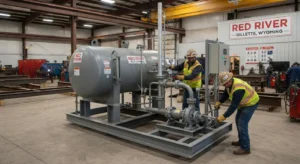
Can Condensate Storage Improve Reliability?
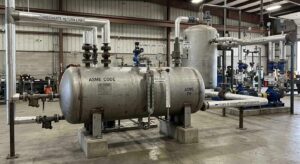
Where Do Condensate Tanks Fit in a Steam System?
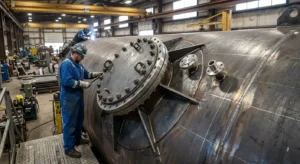
Which Nozzles Simplify Maintenance on Pressure Vessels?
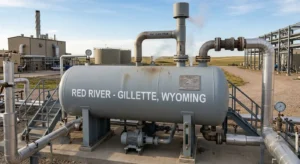
How to Vent Condensate Tanks in Steam Systems
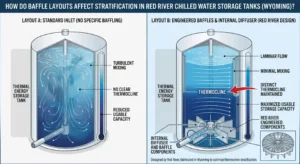
How Do Baffle Layouts Affect Stratification in TES Tanks?
- Separator Technology: Innovations for Industry & Science
- Understanding the 2 Types of Oil Water Separator
- Understanding the Difference Between Distillation and Separator
- Understanding the Purpose of a Water Separator
- Understanding Two-Phase Fluid Dynamics
- Liquid Nitrogen Phase Separator Essential for Efficient Cryogenic Systems
About Author