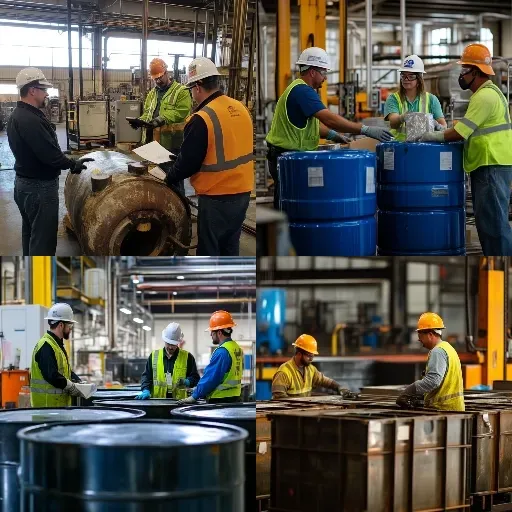
Waste compliance in fabrication ensures safe, legal, and environmentally responsible pressure vessel production. Proper handling, storage, and disposal of hazardous and non-hazardous waste protects workers, the environment, and regulatory standing.
Why Waste Compliance in Fabrication Matters
In industrial pressure vessel production, waste compliance is essential. Fabrication processes generate metal shavings, solvents, coatings, and chemical residues, all of which must be handled safely. Waste compliance in fabrication: reduces risk of accidents, environmental contamination, fines, and legal action, while promoting sustainable operational practices.
Pressure vessel manufacturers must meet federal and state regulations, including EPA and RCRA requirements, to avoid hazards and maintain business integrity. Compliance also reinforces a facility’s commitment to worker safety and environmental responsibility.
Definition of Waste Compliance in Industrial Fabrication
Waste compliance in fabrication refers to the systematic handling, labeling, storage, tracking, and disposal of waste generated during production. It ensures adherence to laws, prevents contamination, and mitigates risk.
Overview of Risks from Hazardous and Non-Hazardous Waste
Hazardous waste such as solvent-soaked rags, used chemicals, or heavy-metal coatings can cause fires, toxicity, and environmental pollution. Non-hazardous waste, while less dangerous, still contributes to landfill volumes and potential fines if mismanaged.
Ignoring proper waste management can lead to worker illness, environmental damage, regulatory penalties, and reputational harm, particularly in safety-critical industries like pressure vessel fabrication.
Common Waste Types in Pressure Vessel Fabrication
Metal Shavings and Welding Slag
Generated during cutting, drilling, grinding, and welding, these materials may contain toxic metals and require careful segregation.
Solvents, Lubricants, and Degreasers
Used in cleaning and machining, these often contain VOCs and require hazardous waste handling protocols.
Paints, Coatings, and Residual Chemicals
Leftover coatings, thinners, and cleaning agents may contain heavy metals or flammable substances, necessitating controlled disposal.
Packaging, Filters, and Disposable PPE
Contaminated packaging, spent filters, and single-use PPE (gloves, masks) must be properly disposed of, particularly if exposed to hazardous substances.
Hazardous Classification
Materials are considered hazardous if they are ignitable, corrosive, reactive, or toxic. Waste from pressure vessel fabrication frequently meets these criteria and falls under EPA codes.
Key Waste Compliance Practices in Fabrication Facilities
Segregation and Labeling of Waste Types
Separate hazardous and non-hazardous waste, liquid and solid streams, and clearly label all containers to reduce cross-contamination.
Proper Storage and Containment Solutions
Use approved containers with secondary containment, maintain closed lids, and designate specific storage areas for hazardous materials.
Documentation and Tracking for Audits
Keep accurate records of generation, storage, and disposal. Maintain manifests, shipping documents, and inspection logs for regulatory compliance.
Staff Training on Hazardous Waste Handling
All personnel must receive initial and annual training to identify, handle, and store hazardous materials safely.
Working with Licensed Waste Disposal Vendors
Engage only certified disposal vendors and verify credentials to protect your facility from liability and ensure proper legal disposal.
Staying Updated on State and Federal Rules
Compliance requires continual review of regulations, including changes in container standards, disposal methods, and reporting requirements.
How to Improve Waste Compliance in Fabrication Processes
Implement Lean Manufacturing to Reduce Waste
Streamlining processes reduces excess material, lowers hazardous waste generation, and improves overall compliance.
Use Less-Toxic Alternatives in Welding and Coating
Water-based coatings, biodegradable lubricants, and safer degreasers decrease hazardous waste volumes and improve worker safety.
Establish Waste Minimization and Recycling Programs
Metal scrap can be recycled, solvents distilled for reuse, and other materials redirected to circular streams whenever possible.
Audit Waste Streams Regularly
Quarterly or periodic audits identify gaps and opportunities for improvement, reducing the risk of compliance violations.
Use Digital Tools for Waste Tracking
Modern EMS and compliance software enable automated recordkeeping, real-time dashboards, and simplified reporting.
Waste Compliance in Fabrication Protects Safety and Sustainability
Waste compliance in fabrication is more than a regulatory obligation it’s a core aspect of responsible, safe, and sustainable pressure vessel manufacturing. From segregating metal shavings and solvents to documenting disposal and training staff, every step reinforces worker safety, environmental stewardship, and legal compliance. Facilities that implement best practices and adopt continuous improvement strategies can exceed compliance standards while enhancing operational efficiency and sustainability.
Need a Reliable Partner?
Red River specializes in the design and manufacturing of pressure vessels. We also fabricate related items such as prefabricated spools and skid packages.
Reach Out to us today and experience the Red River difference. Where American Made and American Values come together, we care more.
Contact us: https://www.redriver.team/contact
Request a quote: https://www.redriver.team/request-a-quote
Frequently Asked Questions
1. What is waste compliance in fabrication?
Waste compliance in fabrication refers to the proper handling, labeling, storage, and disposal of all waste materials generated during production, in accordance with legal standards.
2. Which regulations govern waste compliance in fabrication?
Key regulations include the Resource Conservation and Recovery Act (RCRA), EPA standards, and state-specific environmental rules.
3. What types of waste are considered hazardous?
Solvents, degreasers, certain coatings, metal shavings, and contaminated PPE may qualify as hazardous depending on their chemical properties.
4. How often should waste audits be conducted in fabrication facilities?
Quarterly audits are recommended, but frequency can vary based on production volume and regulatory requirements.
5. What are the risks of non-compliance with waste regulations?
Risks include fines, operational shutdowns, environmental contamination, and employee exposure to hazardous substances.
6. Can fabrication shops recycle metal waste?
Yes. Metal scraps from pressure vessel fabrication can often be recycled, provided proper sorting and handling procedures are followed.
7. How can digital tools support waste compliance?
Environmental management systems and compliance software can automate recordkeeping, provide audit trails, and generate real-time compliance reports.
8. Who is responsible for waste compliance on-site?
Typically, the Environmental Health and Safety (EHS) manager or compliance officer ensures adherence to waste regulations.
Key Takeaways
- Waste compliance in fabrication protects workers, the environment, and legal standing.
- Pressure vessel production generates hazardous and non-hazardous waste that must be properly managed.
- Segregation, labeling, storage, and staff training are essential for compliance.
- Lean manufacturing, recycling, and safer alternatives enhance sustainability and reduce risk.
- Partnering with licensed vendors ensures proper handling and disposal of waste.
- Regular audits confirm alignment with federal and state regulations.
Related Blog Post
Pressure Vessel Design & Engineering: Concept to Launch
What is Pressure Vessel Design and Engineering: Code-Ready Guide
What are the Key Factors in Pressure Vessel Engineering
How Do You Design a Pressure Vessel: A Step-By-Step Guide
What is Pressure Vessel Fabrication and Manufacturing
- DOT Vessel Transport Rules for Pressure Vessels in the U.S.
- Energy Efficiency Compliance in Pressure Vessel Design
- EPA Section 608 Compliance for Refrigerant Pressure Vessels
- Green Manufacturing Standards for Pressure Vessel Production
- Noise and Vibration Compliance for Industrial Pressure Vessels
- Title V Air Permits for Industrial Pressure Vessels