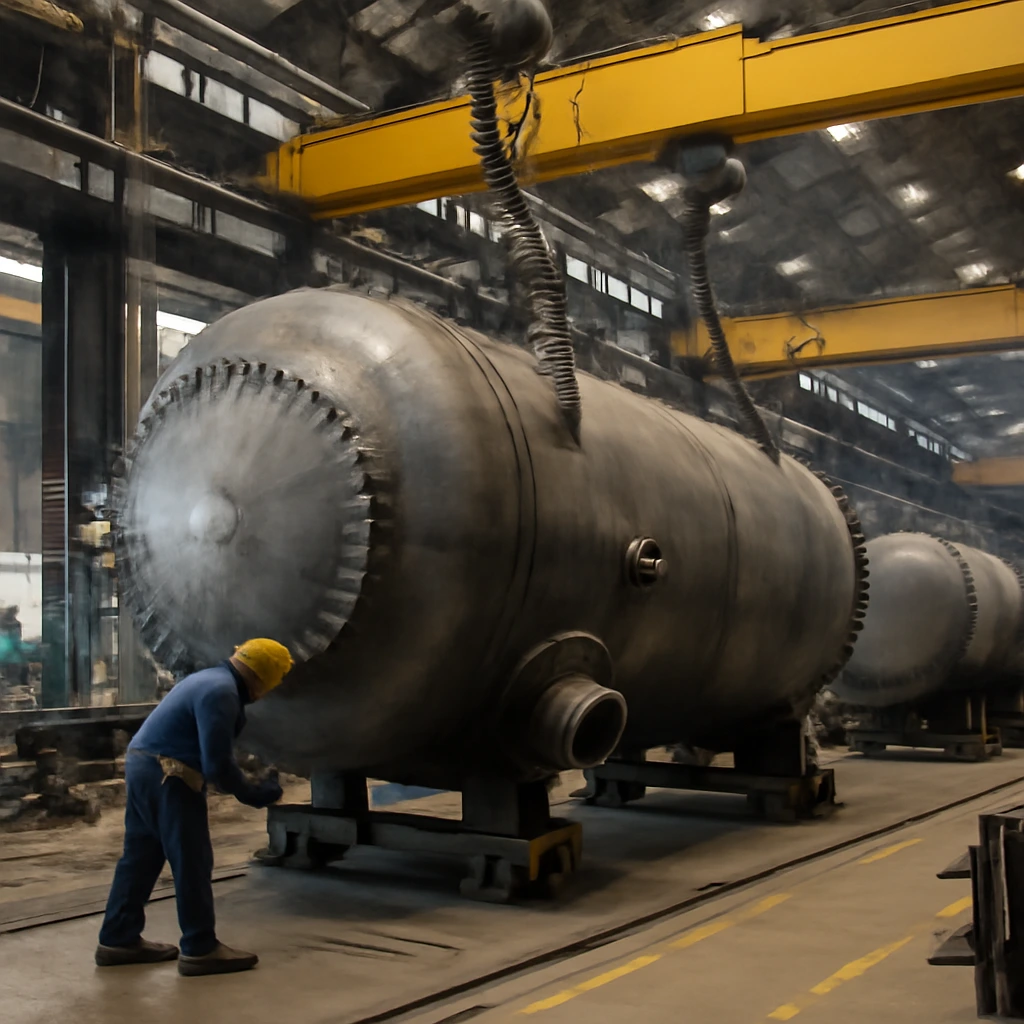
Pressure vessel cost analysis is essential for accurate budgeting, regulatory compliance, and operational efficiency. Considering materials, design, labor, and logistics ensures safe and cost-effective project planning.
Why Pressure Vessel Cost Analysis Matters
Understanding pressure vessel cost analysis is crucial in today’s industrial environment. Pressure vessels are essential components in sectors such as energy, chemical processing, pharmaceuticals, oil and gas, and food manufacturing. These industries rely on vessels to safely store and transport gases or liquids under pressure, which is why investing in properly designed pressure vessels is critical from the start.
Given their integral role, accurate pressure vessel cost analysis is not just about budgeting, it is a matter of safety, compliance, and operational efficiency. Misjudging the cost of pressure vessels can lead to budget overruns, delays, or compromised safety standards. A thorough cost analysis helps project managers and engineers plan confidently, ensuring they choose the right materials, design parameters, and fabrication partners with proven capabilities in custom manufacturing.
Moreover, pressure vessel cost analysis supports compliance with regulatory standards, including those set by ASME. Resources such as Red River’s guide on ASME pressure vessel certification and its article on safety and compliance in pressure vessel design highlight why compliance costs must be accounted for early. It is also essential for lifecycle cost management, as the total cost extends beyond initial fabrication to include transportation, maintenance, inspection, and long term performance as outlined in this comprehensive guide to pressure vessel inspection.
Key Factors Influencing Pressure Vessel Costs
Performing an effective pressure vessel cost analysis requires a breakdown of the key cost drivers. These include materials, design, labor, testing, and logistics, all of which are influenced by the selected pressure vessel manufacturing process.
Material Selection
Material choice has a significant impact on the total cost. Common options include:
- Carbon steel: a cost effective and widely used option in many types of industrial pressure vessels
- Stainless steel: which offers corrosion resistance and durability
- Unfamiliar alloy: (like Hastelloy or Inconel) often discussed in Red River’s guide on choosing the right material for pressure vessel fabrication
Material costs fluctuate based on global supply and demand, especially in the post pandemic economy. These shifts are closely tied to broader metal fabrication trends, as outlined in four common materials used in metal fabrication. This volatility must be factored into any comprehensive pressure vessel cost analysis.
Design Complexity & Customization
Standardized pressure vessels are more economical due to streamlined fabrication processes. However, many industrial applications require custom built vessels tailored to specific operating pressures, temperatures, and environments, similar to those used in air receiver vessels and modular skids.
Adding to the complexity, compliance with standards like ASME Section VIII increases engineering hours, documentation, and testing requirements. Articles such as important points to be considered while designing a pressure vessel and understanding the essentials of safe pressure vessel design show how design decisions directly influence cost and schedule. These specifications must be factored into the overall pressure vessel cost analysis.
Fabrication, Labor & Testing
Labor is another substantial cost component. Skilled tradespeople perform welding, machining, and quality control, all of which must meet strict regulatory standards. Red River’s overview of the fabrication process cutting folding welding explains how labor intensity affects final pricing.
Facilities must also provide:
- Nondestructive testing methods
- Hydrostatic pressure testing
- Weld inspections and certifications, as described in pressure vessel welding certification
These quality control measures are critical for safety and compliance and can significantly impact cost estimates, especially for complex builds like those discussed in pressure vessel fabrications.
Transportation & Installation
Larger pressure vessels may require specialized rigging, permits, escorts, and coordination with local authorities during transport. Projects that involve prefabrication or offsite assembly can help reduce on site installation costs.
In your pressure vessel cost analysis, do not overlook these downstream expenses, which are often underestimated. Red River’s experience across diverse solutions highlights how early logistics planning protects project budgets.
Regional and Market Trends in U.S. Vessel Pricing
Pressure vessel costs in the U.S. vary widely based on location. Labor rates, energy costs, and local regulations can affect pricing from state to state. For example, fabrication in the Midwest may be more cost effective due to a strong manufacturing base, while coastal states often experience higher labor rates and transportation challenges.
Current economic indicators such as inflation, raw material shortages, and supply chain disruption continue to affect lead times. Red River regularly addresses these challenges in its blog and insights like navigating the challenges of labor shortages and lead times in today’s market.
Best Practices for Budgeting Pressure Vessel Projects
A reliable pressure vessel cost analysis starts early, ideally during concept development. Best practices include:
- Engaging experienced manufacturers with proven ASME certified pressure vessels
- Standardizing designs where possible
- Considering lifecycle costs including inspection and maintenance
- Conducting value engineering reviews
Working with a transparent fabrication partner like Red River, whose background is detailed on the about us page, ensures your budget reflects real world conditions rather than assumptions.
Invest in Smart Pressure Vessels Cost Analysis
In today’s rapidly evolving industrial landscape, pressure vessel cost analysis is more than a budgeting exercise it’s a strategic advantage. From choosing the right materials and ensuring code compliance to understanding market trends and regional variables, an informed approach to cost analysis can protect your project from delays, safety risks, and financial overruns.
Whether you’re planning a new facility or upgrading existing infrastructure, taking the time to conduct a thorough, data-driven pressure vessel cost analysis ensures better decision-making and long-term value. Partnering with an experienced, transparent fabrication team like Red River means gaining insight, clarity, and confidence at every phase of your project.
Need a reliable partner?
Red River specializes in the design and manufacturing of pressure vessels. We also fabricate related items such as prefabricated spools and skid packages.
Reach out to us today and experience the Red River difference. Where American-made products and American Values come together, we care more.
Frequently Ask Questions Section
1. What is the average cost of a pressure vessel in the U.S.?
Costs range from $10,000 to over $500,000 depending on materials, size, and design complexity. Pressure vessel cost analysis helps refine these estimates.
2. What factors most influence pressure vessel costs?
Material type, vessel design, fabrication complexity, regulatory testing, and logistics are key factors in pressure vessel cost analysis.
3. How long does it take to build a custom pressure vessel?
Custom vessels typically take 8–16 weeks to design, fabricate, test, and deliver, depending on project requirements.
4. Are U.S.-made pressure vessels more expensive than imported ones?
Usually, yes due to higher labor and safety standards. However, U.S. vessels offer better quality assurance and faster delivery.
5. Why are ASME certifications important in pressure vessels?
ASME-certified vessels ensure safety, durability, and legal compliance factors that impact both performance and long-term costs.
6. Can pressure vessel costs be reduced without sacrificing quality?
Yes by standardizing designs, selecting efficient materials, and working with experienced vendors for accurate pressure vessel cost analysis.
7. How do energy industry requirements impact pressure vessel pricing?
Energy-sector vessels often need specialized materials and stringent testing, increasing both time and cost.
8. What’s the difference between direct and lifecycle vessel costs?
Direct costs include fabrication and transport. Lifecycle costs consider maintenance, inspections, energy efficiency, and service life.
Key Takeaways
- Pressure vessel cost analysis is essential for safe, compliant, and efficient project planning
- Material selection, design complexity, and labor are major cost drivers
- U.S. regional factors and market trends influence overall pricing
- Early-stage planning and collaboration reduce budgeting surprises and delays
- Working with experienced fabricators like Red River ensures accurate cost assessment and project confidence
Related Blog Post
Which Materials Suit Make-Up Water Service?
How Big Should Make-Up Water Tanks Be?
Make-Up Water Tanks: Design, Sizing, and Fabrication
When to Spec Equalization Tanks for Industrial Systems
How Do Equalization Tanks Balance Flow?
- Pressure Vessels in Manufacturing: Applications and Compliance
- Pressure Vessels in America: Safe & Efficient Chemical Processing
- Pressure Vessels Automotive Industry
- Pressure Vessels Aerospace Industry: Engineering Safety
- Pressure Vessels Pharmaceutical Manufacturing: Safety & Precision
- Pressure Vessel Supply Chain Challenges in America