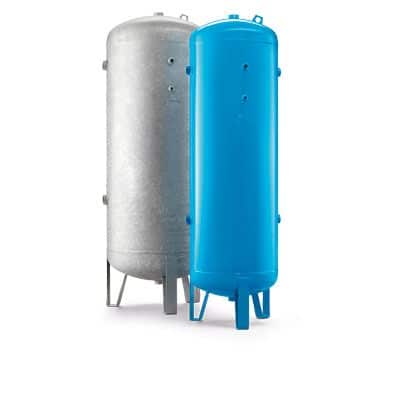
Air Receiver Materials

Introduction to Air Receiver Materials
Understanding Air Receiver Materials and Their Importance
Air receivers, often the unsung heroes in compressed air structures, function as reservoirs to save compressed air and stabilize system pressure. They enhance the efficiency of the compressor system with the aid of lowering the load at the compressor and making an allowance for consistent pressure inside the traces.
Key Functions of Air Receiver Materials in Compressed Air Systems
From regulating pressure variations to helping in moisture manipulation within the machine, air receivers play a key function in preserving the integrity and performance of compressed air systems. They offer a buffer and storage ability to meet surprising needs of air, making sure your operations run smoothly without a hitch.
Core Materials Used in Air Receiver Construction
Carbon Steel: The Industry Standard
Carbon steel remains a famous desire for air receivers because of its robustness and cost-effectiveness. It handles excessive pressures properly, making it a staple in many of our stress vessel tasks.
Air Receiver Materials: Stainless Steel for Corrosion Resistance
For environments in which moisture is a problem, stainless steel is right. Its corrosion-resistant homes make sure an extended lifespan for air receivers, specifically in harsh situations.
Aluminum: Lightweight and Efficient
Aluminum is valued for its mild weight and rust resistance, making it appropriate for industries in which weight and corrosion are essential elements.
Advantages of Different Air Receiver Materials
Why Carbon Steel is a Popular Choice: Air Receiver Materials
Carbon metal air receivers are respected for his or her energy and ability to withstand high pressures and temperatures, making them a go-to choice for rigorous commercial packages.
Benefits of Stainless Steel in Air Receiver Materials
Stainless steel is no longer the most effective combat corrosion however also guarantees cleaner air by reducing contaminants. This makes it best for industries that include meals and prescription drugs, where purity is paramount.
Need a reliable partner?
FAQs About Air Receiver Materials
How do the properties of air receiver materials affect the energy efficiency of a compressed air system?
The material of the air receiver can significantly influence the energy efficiency of a compressed air system. For instance, aluminum, being lighter, reduces the load and can improve the energy dynamics of mobile units. On the other hand, carbon steel, with its robustness, ensures less wear and tear over time, maintaining system integrity and reducing energy loss from leakage or frequent cycling of the compressor.
Can the choice of material for an air receiver impact its maintenance requirements?
Absolutely! The material choice directly affects maintenance schedules and needs. Air receivers made from stainless steel typically require less maintenance due to their corrosion resistance, especially in humid or corrosive environments. In contrast, carbon steel might necessitate more frequent inspections and treatments to prevent rust and corrosion, depending on the operating environment.
What are the safety considerations when choosing materials for air receivers?
Safety is paramount when selecting a material for air receivers. Each material must be capable of handling the specific pressure and temperature conditions of the system without risk of failure. For example, stainless steel is preferred in high-moisture environments to prevent corrosion-related failures. Furthermore, compliance with international pressure vessel regulations, such as the ASME standards for boiler and pressure vessel compliance, is critical for ensuring ongoing safety and operational reliability.
Are there environmental considerations that influence the choice of material for air receivers?
Yes, environmental considerations play a crucial role in selecting materials. For industries operating in salty or highly humid environments, materials like stainless steel or specially coated carbon steel are essential to withstand the conditions without degrading. Aluminum, being naturally resistant to corrosion and lighter, is an excellent choice for mobile applications where reducing fuel consumption and emissions is a priority.
How does the initial cost of the material weigh against its longevity and performance in air receivers?
The initial cost of materials such as stainless steel and aluminum might be higher than carbon steel, but their longevity and lower maintenance requirements can provide cost savings in the long run. Stainless steel, for example, might offer a better return on investment in harsh environments due to its durability and minimal need for replacement. Carbon steel, while less expensive upfront, may incur higher maintenance and replacement costs over its lifecycle, especially if not properly maintained.
Related Blog Post
- Is an air receiver a pressure vessel?
- What is the color code for air receiver?
- At what pressure air receivers are tested?
- How do air receivers control moisture build up?
- What are the different types of air receivers?
- What are the safety requirements for air receivers?
- What is an air receiver used in an air compression system?
- What is the difference between air compressor and air receiver?
- What is the difference between wet air receiver and dry air receiver?
- What safety devices are air receivers equipped with and for what purpose?
Solutions
In the realm of industrial solutions, Red River emerges as a pioneer, offering a diverse range of custom-engineered products and facilities. Among our specialties is the design and production of Custom/OEM Pressure Vessels, meticulously crafted to meet individual client requirements, ensuring performance under various pressure conditions. Our expertise extends to the domain of prefabrication, where Red River leads with distinction.
The company excels in creating prefabricated facilities, modules, and packages, reinforcing its stance as a forerunner in innovation and quality. This proficiency is further mirrored in their Modular Skids offering, where they provide an array of Modular Fabricated Skid Packages and Packaged equipment. Each piece is tailored to client specifications, underlining their commitment to delivering precision and excellence in every project they undertake.


Related Blog Post
Can Condensate Storage Improve Reliability?
Where Do Condensate Tanks Fit in a Steam System?
Which Nozzles Simplify Maintenance on Pressure Vessels?
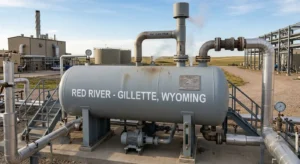
How to Vent Condensate Tanks in Steam Systems
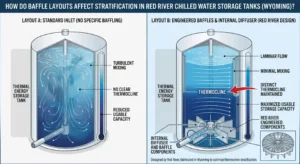
How Do Baffle Layouts Affect Stratification in TES Tanks?
No subpillar set for this blog post.
About Author