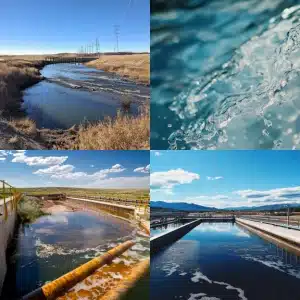
conductivity levels in drinking water in safe water systems

Conductivity Levels in Drinking Water: Why They Matter for Safety and Industry

Conductivity levels in drinking water help reveal how much dissolved material is present in a water supply. When conductivity shifts outside safe ranges, it can signal elevated salts, metals, or other contaminants that affect taste, process performance, and long-term safety. Regular monitoring supports cleaner water and more reliable industrial systems. RedRiver LLC helps operators manage conductivity levels in drinking water by supplying pressure vessels and fabricated solutions designed for safe water handling. Understanding conductivity levels in drinking water Conductivity in
Read More »
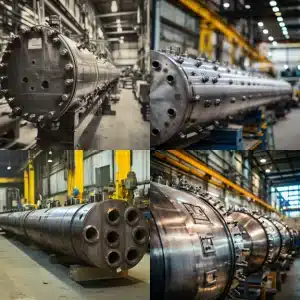
Compliance with Regulation 4 for ASME Pressure Vessels in fabrication

Compliance with Regulation 4 for ASME Pressure Vessels: What It Means for Safe, Reliable Operations

Compliance with Regulation 4 for ASME Pressure Vessels is a practical safety commitment, not just paperwork. It ensures vessels are designed, built, tested, and maintained to manage pressure risks while meeting recognized standards. When you treat Regulation 4 as a lifecycle practice, you reduce downtime, prevent failures, and protect teams. RedRiver LLC supports compliant fabrication and ongoing readiness with a steady, safety-first approach. Why Compliance with Regulation 4 for ASME Pressure Vessels Matters Compliance with Regulation 4 for ASME Pressure

Read More »

Common Signs Your Drinking Water May Be Unsafe | Red River

Unusual taste, odor, discoloration, or health symptoms may signal unsafe drinking water, so testing is essential. Use proper filtration, perform regular maintenance, and schedule routine water tests to ensure long-term safety. Signs of Unsafe Drinking Water At Red River, we understand the importance of clean and safe drinking water. Recognizing the signs of unsafe drinking water such as unusual taste, odor, discoloration, or unexplained health symptoms is crucial for protecting yourself and your operations. Whether you’re managing industrial projects or

Read More »
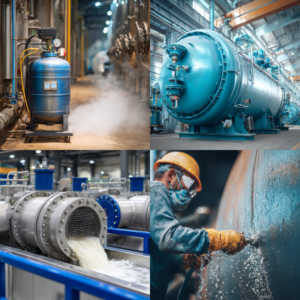
Effective Scrubber Machine integrated with pressure vessels for safe chemical processing

Effective Scrubber Machine: Ensuring Safety and Efficiency in Industrial Operations

The Effective Scrubber Machine is a critical component in industrial facilities, designed to remove harmful gases and contaminants from process streams while ensuring compliance with pressure vessel safety standards. This blog explores the types of scrubbers, their applications, and how Red River LLC delivers reliable and customized solutions. Learn about maintenance, inspection practices, and industry best practices to maximize scrubber performance and longevity. Understanding the Effective Scrubber Machine and Its Role in Industrial Safety The Effective Scrubber Machine plays a

Read More »

Understanding Unregulated Drinking Water Sources | Red River

Understanding Unregulated Sources of Drinking Water When discussing water, many assume every source is thoroughly monitored and regulated but that isn’t always true. Some water sources remain unregulated, creating both opportunities and risks. At Red River, we help clients navigate these complexities, ensuring they understand which water sources are not regulated and how to handle them effectively. Why Certain Water Sources Are Exempt from Regulations Some water sources fall outside regulatory oversight due to their nature. For example, groundwater or

Read More »
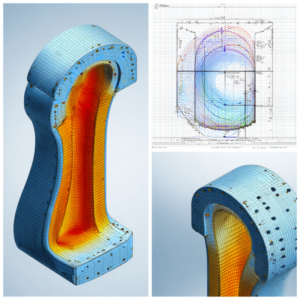
why is fatigue failure analysis important in pressure vessels

Why Is Fatigue Failure Analysis Important? Red River LLC 

Fatigue failure analysis is crucial for identifying early signs of material damage caused by repeated stress, especially in high-risk components like pressure vessels. It helps prevent catastrophic failures, enhances safety, reduces downtime, and extends equipment lifespan through proactive maintenance and inspections. Understanding Why Is Fatigue Failure Analysis Important Fatigue failure occurs when a material is weakened by repeated stress cycles, eventually causing cracks and structural breakdown. These stresses might not seem large at first, but over time, they accumulate and

Read More »