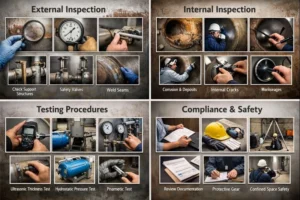
Industrial pressure vessel with safety compliance documentation and ASME code certification stamps

Pressure Vessel Codes Explained: Simplifying Compliance for You

Pressure vessel codes (like ASME BPVC) are safety standards for designing, building, inspecting, and testing pressurized tanks so they don’t leak or rupture. Use the right section (often ASME Section VIII), follow required welding + NDT rules, document everything for certification, and stay current 2025 updates become mandatory by Jan 2026 Pressure vessel codes made simple Complying with Pressure Vessel Codes can feel daunting at first. Yet, when you understand the logic behind Pressure Vessel Codes, you can minimize risks

Read More »
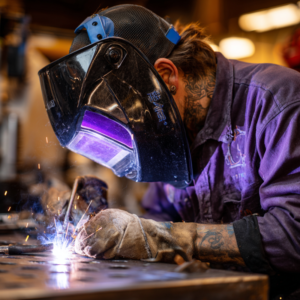
sheet metal fabrication process step by step guide

Sheet Metal Fabrication Process Explained

The sheet metal fabrication process transforms raw metal sheets into functional, durable components through cutting, forming, welding, and finishing. Understanding each phase helps you ensure quality, efficiency, and project success. Understanding the Sheet Metal Fabrication Process Are you curious about the sheet metal fabrication process and how it shapes everything from everyday appliances to massive industrial machinery? Perhaps you’ve wondered how raw metal transforms into precise components for manufacturing, construction, and industrial solutions. The journey from flat sheet metal to

Read More »
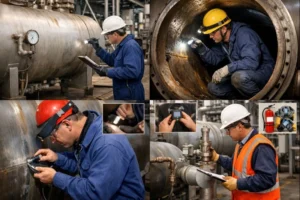
Engineer conducting ASME code inspection on industrial pressure vessel

Unlocking What Is the Difference Between a Pressure Vessel and a Tank

Pressure vessels hold liquids/gases at pressures beyond atmospheric (often >15 PSI), so they need stronger materials, stricter codes (ASME), and more testing.Tanks store at near-atmospheric pressure, so they’re simpler, cheaper, and less regulated. Pressure Vessel vs. Tank: Key Differences Explained for Industrial Buyers Understanding what is the difference between a pressure vessel and a tank is crucial when choosing between storage solutions especially if you’re sourcing reliable fabrication in the USA. While these containers may appear similar, the difference between

Read More »
why use stainless steel sheet metal fabrication for industrial efficiency

Why Use Stainless Steel Sheet Metal Fabrication?

Stainless steel sheet metal fabrication delivers superior durability, corrosion resistance, and regulatory compliance. It reduces maintenance costs, improves safety, and supports efficient prefabrication for faster project turnaround. Why Use Stainless Steel Sheet Metal Fabrication in Modern Facilities Have you ever gazed at a piece of shiny stainless steel and wondered what makes it so special? When you’re planning any industrial or commercial project, you need materials that last, meet safety standards, and streamline your entire process. That’s where stainless steel

Read More »
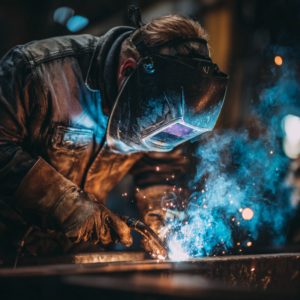
how does stainless steel sheet metal fabrication work in industrial settings

How Does Stainless Steel Sheet Metal Fabrication Work

Stainless steel sheet metal fabrication is a multi-step process involving cutting, forming, welding, and finishing stainless steel components to create durable products. Prefabricated fabrication ensures consistent quality, lower labor risks, and faster project delivery. Understanding How Does Stainless Steel Sheet Metal Fabrication Work Imagine you’re walking through a busy industrial workshop. Gleaming stainless steel sheets line the walls, and sparks fly as skilled technicians carefully shape each piece of metal. If you’ve ever wondered, “How does stainless steel sheet metal

Read More »
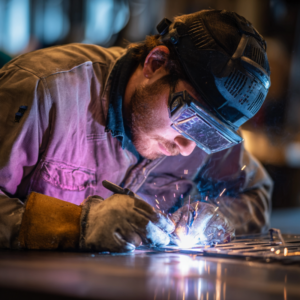
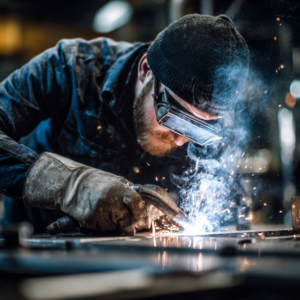
stainless steel sheet metal fabrication equipment in use

Stainless Steel Sheet Metal Fabrication: What You Need to Know

Stainless steel sheet metal fabrication offers durability, corrosion resistance, and aesthetic appeal for a wide range of applications. This guide breaks down how the process works, its benefits, and how to choose the right fabrication partner. Understanding Stainless Steel Sheet Metal Fabrication If you’re exploring stainless steel sheet metal fabrication for the first time, you might be pleasantly surprised by how versatile and dependable this process can be. Whether you’re designing industrial parts, kitchen equipment, or architectural elements, stainless steel

Read More »