A fuel water separator protects engines by removing moisture that causes corrosion, poor combustion, microbial growth, and costly breakdowns. Whether in small boats, trucks, or industrial facilities, using and maintaining the right separator improves reliability, efficiency, and long-term cost savings.
Understanding the Role of a Fuel Water Separator
Water in your fuel tank might sound harmless, but in reality, it is one of the most common causes of unexpected engine troubles. Whether you run a heavy-duty diesel rig, a gas turbine, or a smaller marine outboard motor, water intrusion can lead to clogged injectors, rusty components, poor combustion, and in the worst cases complete engine failure. Good news: there is a straightforward way to guard against these issues. A fuel water separator is specially designed to remove water from your fuel supply before it can circulate through the system. By ensuring that clean, dry fuel moves into your engine, this simple yet powerful device defends against corrosion, extends component lifespans, and helps you avoid expensive breakdowns. Installing a fuel water separator not only prevents costly repairs but also improves combustion efficiency. To maximize reliability, regular inspection and servicing of your fuel water separator are recommended, making a fuel water separator one of the most valuable investments for long-term engine protection.
Below, you will discover how a fuel water separator works, how a fuel water separator benefits you over time, and how industrial-scale users and personal vehicle owners alike can choose a reliable system. You will also gain a clearer picture of recommended maintenance intervals and red flags to watch for, so you can keep your fuel water separator and engine performing at their best.
Understand the Fuel Water Separator
A fuel water separator is exactly what it sounds like: a device that filters out moisture before the fuel reaches your engine’s internal components. This fuel water separator technology has become especially important as modern engines grow more precise and sensitive to impurities in the fuel. With stricter emissions regulations and higher pressure in today’s injection systems, any contamination can be a recipe for frequent repairs. Fortunately, a fuel water separator can do a lot to safeguard you from that headache.
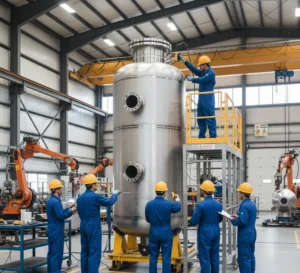
For industrial users, ASME-certified pressure vessels are often used to house advanced separation systems. Red River specializes in pressure vessel fabrications that meet demanding regulatory codes, ensuring safety and reliability.
The Role of Water in Fuel
It might surprise you, but water finds its way into fuel tanks more often than you think. Condensation is a typical culprit. As temperatures shift from cooler nights to warmer days, moisture in the air can condense inside your tank walls. Over time, this water can gather at the bottom of your fuel tank, where it mixes or remains suspended in the fuel. A fuel water separator is designed to capture this moisture before it harms your system. Using a fuel water separator is especially important if your vehicle or equipment remains idle for long periods, or if you live in a humid region where water intrusion is common. Without a fuel water separator, you risk fuel contamination, corrosion, and costly engine repairs.
Water in the fuel also boosts the risk of microbial growth. Bacteria and fungi flourish in watery environments, forming sludge that blocks filters and corrodes systems. This is a problem across industries, from marine equipment to oil and gas pressure vessels used in energy facilities.
Common Engine Problems From Water
Even moderate levels of water content in your fuel can cause:
- Corroded lines and injectors: When water reacts with metal components, rust can chip away at essential parts.
- Reduced lubrication: Diesel engines, in particular, rely on the fuel itself for lubrication. The presence of water disrupts this, causing friction-based wear.
- Poor combustion: Water does not burn like fuel, so a high water-to-fuel ratio can lower energy output, resulting in sluggish performance.
- Potential freezing: In cold climates, water in the fuel can turn to ice crystals, blocking lines and filters.
Each of these issues can lead to costly downtime. That’s why industries turn to engineered fuel oil separators and industrial fuel water vessels to maintain clean systems.
The Basic Separation Process
In most designs, a fuel water separator channels the incoming fuel into a chamber or filter element that traps water droplets. Because water is heavier and denser than fuel, the fuel water separator collects it in a designated area at the bottom of the unit, where it can later be drained manually or automatically. This separation process ensures that your fuel water separator delivers only clean fuel to secondary filters, injectors, or the carburetor, protecting your engine from damage.
For large-scale industrial setups, the principle is similar, but the design might be more robust. For instance, if you operate in a manufacturing plant or a large power generation facility, an industrial fuel water separator vessels can handle higher flow rates and greater volumes of fluid. Its internal components may include coalescing filters and advanced sensors, but the ultimate goal remains the same: keep water out of the fuel loop.
Explore Real-world Benefits
Investing in a reliable fuel water separator delivers benefits across many different applications. With a fuel water separator, you can reduce the risk of engine stalls, trim maintenance costs, and enjoy extended engine lifespans. Choosing the right fuel water separator ensures consistent performance and long-term protection for your equipment.
Prevent Corrosion and Rust
Metal components corrode when exposed to water, oxygen, and certain impurities in fuel. A fuel water separator prevents this by capturing moisture before it reaches metal surfaces. Without a fuel water separator, corrosion can start as minor rust in your fuel lines but eventually lead to injector failures or pump seizures. Using a fuel water separator gives you a direct shield against oxidation and costly engine damage.
If you have ever dealt with rust in your fuel system, you know it causes sticky valves, scarred injector bodies, and in some cases, catastrophic engine failure. The cost to replace these parts can skyrocket quickly, but a fuel water separator can slash that risk by removing moisture before it causes damage. A well-maintained fuel water separator ensures minimal rust formation, which means fewer system overhauls in the long run. Relying on a quality fuel water separator is one of the most effective ways to protect both your engine and your budget.
Boost Engine Life and Reliability
Every time your engine runs on clean, dry fuel, it encounters less wear. A fuel water separator makes this possible by removing harmful moisture before it reaches sensitive components. Engines with tight tolerances, such as modern diesel or gas turbines, benefit greatly from a fuel water separator, since even trace contamination can cause serious issues. Relying on a fuel water separator ensures smoother, more predictable performance day after day.
Because water disrupts the lubricating effect of diesel and other fuels, a fuel water separator is essential for protecting your system. By using a fuel water separator, you reduce friction between sensitive internal parts, preserving pump gears, preventing scoring in cylinders, and protecting injectors from pitting. Over hundreds or thousands of running hours, a fuel water separator makes a dramatic difference, helping engines last longer and minimizing the risk of costly mid-season repairs or replacements.
Cut Maintenance Costs
Maintenance costs often creep up when small issues go unnoticed. Water-laden fuel can develop bacterial sludge that clogs ordinary filters. You might find yourself updating filters more frequently or dealing with a meltdown in the middle of a busy season. With a dedicated fuel water separator, you can catch moisture and contaminants before standard filters become overwhelmed.
If you manage a fleet of trucks, construction machinery, or marine vessels, a fuel water separator delivers benefits that multiply across every vehicle you operate. With a fuel water separator, you’ll face fewer breakdowns and less-frequent component replacements, which can translate into substantial savings. Most importantly, relying on a fuel water separator minimizes downtime by keeping your equipment ready for action instead of sitting in the shop for repairs.
Enhance Fuel Efficiency
Another major advantage of using a fuel water separator is improved fuel efficiency. Without a fuel water separator, water-laden fuel reduces the overall energy content delivered to your engine, leading to incomplete combustion. A well-maintained fuel water separator ensures your system burns clean fuel efficiently, so your engine produces maximum power output without working harder than necessary.
By using a fuel water separator, you improve the combustion process and squeeze more work out of each gallon of fuel. A fuel water separator is especially helpful for large engines that run for extended periods, such as those in heavy transportation or industrial power applications. Over time, maintaining a fuel water separator can deliver even a small uptick in efficiency that adds up to significant savings in fuel costs.
Compare Different Separator Designs
You can find fuel water separators in a variety of configurations, from simple spin-on filter units to sophisticated, industrial-grade pressure vessels. Each one has its own merits, depending on factors like engine size, usage patterns, and required certifications.
Spin-on Filters
Spin-on fuel water separator units are popular in smaller vehicles, light-duty trucks, and personal watercraft. A fuel water separator of this type resembles a typical oil filter, with a sturdy metal housing and filter media inside. As fuel flows through the cartridge, the fuel water separator traps water droplets and diverts them into a collecting chamber, and the entire unit can be replaced periodically for quick maintenance.
- Advantages: easy to install and replace, affordable, adequate for moderate-duty engines.
- Drawbacks: limited capacity, not always equipped with a sight bowl to see water accumulation, can become saturated quickly in high-contamination environments.
Spin-on fuel water separator filters are often ideal if your engine experiences moderate hours of operation and if you regularly maintain your equipment. Since this type of fuel water separator does not store much water, it requires more frequent checks to remain effective. In humid or marine environments, a fuel water separator of this style can still provide reliable protection when inspected and replaced on schedule.
Bowl and Drain Systems
Another common fuel water separator type includes a clear bowl at the bottom where water accumulates. The see-through bowl lets you visually inspect water levels, so you can drain it whenever it reaches a certain line. Many models feature a simple valve to purge the collected water while keeping the filter element intact.
- Advantages: quick water checks, easy draining without removing the entire unit.
- Drawbacks: bowl materials must withstand temperature shifts and impacts, so low-quality designs may crack, requiring space to access the drain.
For everyday convenience, bowl and drain fuel water separator units are popular among fishermen, boaters, and operators of medium-duty trucks. You can quickly confirm whether water is accumulating and discard it. Some models offer a sensor that triggers a warning light when water levels reach a certain height, adding an extra layer of protection if you forget to check manually.
Industrial Applications
For large-scale or specialized operations, you may need a robust system that handles bigger volumes of fuel and traps more significant amounts of water. In particular, if you run an industrial facility, process plant, or large-capacity engine, you might rely on an industrial fuel water separator vessel. Producers like Red River have extensive experience in building these systems according to ASME (American Society of Mechanical Engineers) standards.
- Advantages: higher flow rates, durable construction, advanced monitoring features, integrated safety components.
- Drawbacks: costlier up front, requires professional installation and periodic inspection, might be overkill for small applications.
Industrial fuel water separator systems often come with advanced sensors that automatically drain water at set intervals. They can include robust internal coatings to minimize corrosion and might even be paired with other separation stages such as coalescing filters for gas or air to support broader system efficiency. If you operate in the energy, water treatment, or heavy manufacturing sectors, these more complex designs can be a worthwhile investment. They provide the reliability and volume capacity you need to keep large engines or processes running smoothly.
Evaluate When You Need a Replacement
Even if you already have a fuel water separator in place, it does not last forever. Wear and tear, contamination buildup, and the harsh operating environment can all shorten its lifespan. Knowing when to replace or upgrade your separator is crucial for uninterrupted performance.
Recognize Warning Signals
Your equipment often shows signs that something is off in the fuel system:
- Repeated filter clogs or early filter replacements: If your normal fuel filter is constantly gummed up, your separator might not be pulling its weight.
- Visible water in drained fuel: If you see a milky or layered appearance in the fuel you drain, it may be time to switch to a more efficient separator or maintain your existing one more carefully.
- Frequent engine misfires: Water contamination can create engine surging, rough idling, or misfires, indicating that water is passing through to your combustion chamber.
- Rust or corrosion on metal parts: If you inspect your fuel lines or injectors and see signs of rust, there is likely a moisture issue in your system.
If you experience any of these problems, it is wise to verify that your separator is not clogged or worn out. Some spin-on filters fail because the media inside degrades over time, while clear bowls can develop micro-cracks or leaky seals. Catching these early prevents water from sneaking past the separator and damaging your engine.
Familiarize Yourself with Maintenance Steps
Maintenance can be as simple as draining the water once a week if you have a see-through bowl. For spin-on cartridges, you may replace them every 200 to 500 hours of operation, depending on your manufacturer’s guidelines. Industrial setups will have specific intervals, often tied to operational hours or monthly checks. Make a habit of:
- Inspecting for cracks or leaks in housings and seals.
- Draining accumulated water at recommended intervals or when sensors alert you.
- Changing out the filter element (if applicable) on schedule.
- Verifying that the unit is securely mounted, especially if you operate in a high-vibration environment.
Practical tip: Keep a log of separator maintenance, including dates, how much water was removed, and any unusual findings. A simple sheet of paper in the equipment room, or a digital log on your phone, can help you spot trends and schedule replacements proactively. You will save yourself from the frustration of surprise engine issues down the road.
Fuel Water Separator for Peace of Mind
A fuel water separator is one of the best ways to protect your engine from water damage. Whether you own a fishing boat or manage an industrial facility, this device pays for itself in smoother performance and fewer breakdowns.
Trusted manufacturers like Red River design strongest pressure vessels that meet rigorous ASME codes and standards to keep your system safe.
Take Action with a Reliable Fuel Water Separator
Investing in the right separator means safeguarding your equipment, saving costs, and avoiding downtime. Request a quote or contact Red River today to explore ASME-certified solutions for your needs.
You can also learn more by checking out our blog, where we share insights on vessel fabrication, lead times, and compliance standards.
Frequently Asked Questions
1. What is a diesel pressure vessel filter separator?
A diesel pressure vessel filter separator is a specialized filtration unit designed to remove water, dirt, and other contaminants from diesel fuel under pressure. Built as a pressure-rated vessel, it ensures reliable operation in demanding environments like power plants, marine systems, and industrial fuel handling facilities, helping to protect engines and equipment from premature wear or failure.
2. What is an industrial fuel water separator vessel?
An industrial fuel water separator vessel is a large-capacity device used to separate water and suspended solids from bulk fuel supplies. It uses a combination of coalescing, filtration, and gravity separation processes to ensure clean fuel storage and transfer, making it essential in refineries, terminals, and heavy industries where fuel quality directly impacts performance and safety.
3. What is an ASME pressure vessel separator?
An ASME pressure vessel separator is a separator vessel that has been designed and fabricated in compliance with the American Society of Mechanical Engineers (ASME) Boiler and Pressure Vessel Code. These vessels are certified for high safety and reliability, ensuring that fuel, oil, gas, or water separation processes meet strict regulatory and operational standards across industries such as energy, petrochemical, and transportation.
4. What is a fuel filter vessel water separator?
A fuel filter vessel water separator is a combined system that filters out solid contaminants and separates water from fuel. Typically featuring multi-stage filtration, it safeguards engines and turbines by ensuring the fuel delivered is clean, dry, and free from harmful particles. These vessels are widely used in aviation, marine, and industrial fuel systems where even trace contaminants can cause costly downtime.
5. What is a fuel oil pressure vessel separator?
A fuel oil pressure vessel separator is an engineered vessel that removes water and debris from heavy or light fuel oils under pressure. By maintaining fuel purity, it protects boilers, engines, and burners from corrosion and operational issues. This type of separator is commonly used in shipping, power generation, and industrial heating applications.
6. What is a gas turbine fuel water separator vessel?
A gas turbine fuel water separator vessel is a critical filtration and separation system designed specifically for gas turbine applications. It removes water, particulates, and other contaminants from turbine fuel to ensure consistent combustion, extend component life, and prevent costly turbine damage. These vessels are standard in power plants, aviation ground support, and industrial turbine installations where fuel reliability is non-negotiable.
7. Why do modern diesel engines need advanced separators?
Modern diesel engines require advanced separators because today’s high-pressure fuel injection systems are far more sensitive to contaminants than older designs. Even microscopic particles or traces of water can damage injectors, reduce efficiency, and cause costly downtime. Advanced separators ensure cleaner, drier fuel delivery helping engines meet stricter emission standards, improve performance, and extend component life.
Key Takeaways
- A fuel water separator protects your engine by removing water that causes rust, microbial growth, and reduced lubrication.
- Spin-on or bowl-type separators suit smaller systems, while industrial-sized setups handle high flow rates and large fuel volumes.
- Routine checks and maintenance keep your separator efficient, especially if you drain water periodically and replace or clean filter elements.
- Upgrading your separator or installing a new one can cut costs over time by reducing engine downtime and expensive repairs.
- Industrial users can benefit from certified ASME pressure vessel separators that are built for heavy-duty performance and maximum lifespan.
Related Blog Post
Pressure Vessel Design & Engineering: Concept to Launch
What is Pressure Vessel Design and Engineering: Code-Ready Guide
What are the Key Factors in Pressure Vessel Engineering
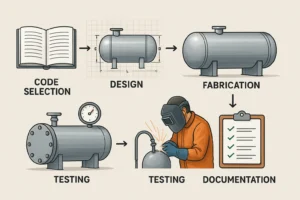
How Do You Design a Pressure Vessel: A Step-By-Step Guide
What is Pressure Vessel Fabrication and Manufacturing
About Author