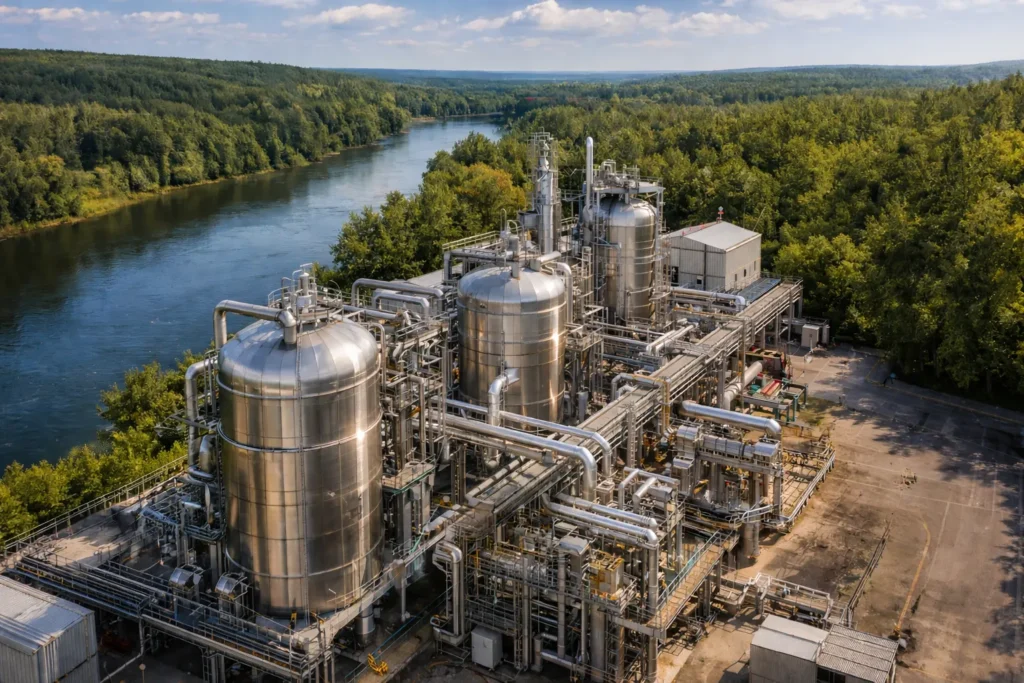
EPA standards ensure businesses protect air, water, and land by controlling emissions, waste, and pollution, making compliance both a legal and operational necessity. Red River supports companies by providing pressure vessels designed to meet EPA requirements, improving safety, sustainability, and long-term performance.
Understanding EPA Standards and Their Significance
Compliance with EPA standards at RedRiver goes far beyond being simply the right thing to do it’s the law. Now, what are these EPA standards, and why are they significant for your business?
What Are EPA Standards, and Why Do They Matter?
Set and enforced by the Environmental Protection Agency, EPA standards establish the baseline for protecting environmental quality and public health across U.S. industries. For manufacturers like Red River, compliance ensures pressure vessels and fabrication processes align with environmental benchmarks while minimizing operational disruption. Learn more about our company background and values on the About Us page.
Industries such as oil and gas, power generation, and mineral processing rely on compliant equipment to operate safely and legally. Through our expertise in custom pressure vessels and engineered solutions, Red River supports customers from initial design through final delivery. Explore our full offerings on the Capabilities and Solutions pages.
The Importance of Adhering to EPA Standards
Adhering to EPA standards ensures pressure vessels are engineered with environmental responsibility and long-term sustainability in mind. At Red River, compliance is integrated into every stage of production, from material selection to final inspection. Our approach aligns closely with ASME-certified pressure vessels to ensure both safety and environmental protection.
Clients benefit from working with a partner committed to compliance and quality. You can explore our methodology further on our Safety and Compliance in Pressure Vessel Design page.
EPA Regulations vs. Guidelines: What’s the Difference?
EPA regulations are legally enforceable requirements, while EPA guidelines serve as best practices designed to help companies achieve compliance more effectively. At Red River, we treat both with equal importance.
From air quality requirements to wastewater controls, we incorporate applicable EPA regulations into our manufacturing workflows and quality assurance processes. Our dedication to best practices complements our adherence to strict engineering standards such as those outlined in ASME Pressure Vessel Standards.
How Do EPA Standards Protect the Environment?
One of the EPA’s primary missions is safeguarding natural resources air, water, and land. These standards limit harmful emissions, prevent water contamination, and regulate proper waste handling.
For pressure vessel manufacturers, this means designing equipment that supports emission controls, containment, and safe material handling. Red River’s engineered vessels play a critical role in helping customers meet environmental objectives while maintaining operational efficiency. Learn more about vessel functionality in our article on Understanding the Purpose of a Pressure Vessel.
EPA Standards Which Directly Affect Industrial Companies
Industrial companies operating in the U.S. are subject to a wide range of EPA regulations. These rules help ensure environmental protection while promoting responsible and sustainable operations.
Red River supports compliance by delivering reliable, high-quality equipment such as Industrial Pressure Vessels and custom-fabricated systems tailored to your application.
EPA Air Quality Standards
EPA air-quality regulations control atmospheric pollutants across industries such as oil and gas and power generation. Pressure vessels often play a role in emission containment and control. Red River ensures vessels are properly specified to support compliance. Related insights can be found in our guide to vapor recovery tower vessels.
Water Pollution Control Rules
water pollution is another key regulatory focus. Many industrial operations generate wastewater that must be treated before discharge. Red River provides engineered solutions designed to support compliant water handling systems, including vessels used in separation and containment processes. Learn more in our article on understanding water separation in industrial applications.
Waste Management and Disposal Standards
The EPA requires hazardous waste to be stored and disposed of safely to prevent soil and groundwater contamination. Red River manufactures durable, compliant vessels and containers that support safe waste handling and disposal.
Our commitment to quality assurance is detailed further in Quality Assurance in Custom Pressure Tank Manufacturing.
How to Ensure Compliance with EPA Standards
Maintaining compliance helps businesses avoid fines, operational delays, and reputational damage. The first step is understanding which EPA regulations apply to your operation.
Red River simplifies this process by offering custom-engineered vessels built to meet regulatory and operational requirements. Learn how our fabrication process supports compliance on our Pressure Vessel Manufacturing Process page.
Maintaining EPA Compliance with Your Business
EPA compliance requires ongoing effort regular audits, updated procedures, and awareness of regulatory changes. Red River works closely with clients to ensure vessels are designed and built in line with the latest EPA guidance and industry standards.
Our experience with ASME-Certified Pressure Vessels gives customers confidence that their equipment supports both safety and environmental compliance.
Common Challenges in Adhering to EPA Regulations
Many companies struggle to keep pace with evolving regulations, implement emissions control systems, or ensure equipment meets safety requirements. These challenges demand careful planning and a reliable manufacturing partner.
With decades of experience, Red River helps customers overcome these hurdles through proven engineering practices and robust fabrication expertise. Explore related insights in our guide to Comprehensive Pressure Vessel Inspection.
Benefits of Compliance with EPA Standards
Compliance protects businesses from legal risk while strengthening brand credibility. Environmentally responsible operations also improve efficiency and reduce long-term costs. By partnering with Red River, organizations demonstrate a commitment to sustainability and operational excellence. Learn more about our mission on the About Us page or visit our Blog for related insights.
Safe and Sustainable Manufacturing
Safety and sustainability go hand in hand. EPA standards reduce harmful emissions, control waste, and protect water resources key elements of a safe workplace.
Red River’s pressure vessels are engineered to meet these expectations while maximizing efficiency and minimizing risk. For additional perspective, see our article on The Importance of ASME Certification in Quality Assurance.
Long-Term Advantages to a Business in Maintaining EPA Standards
Maintaining EPA standards in compliance gives a business several long-term advantages. Apart from avoiding fines and legal issues, it also helps build a reputation as a responsible and progressive business. Companies that prioritize compliance experience less disruption in operations and maintain stronger relationships with both customers and regulatory bodies. At Red River, we partner with you to create solutions that keep you compliant and drive your bottom line.
Need a reliable partner?
Red River specializes in the design and manufacturing of pressure vessels. We also fabricate related items such as prefabricated spools and skid packages.
Reach Out to us today and experience the Red River difference. Where American Made and American Values come together, we care more.
Frequently Asked Questions
1. What Role Does the EPA Play in Regulating Pressure Vessels?
The EPA plays a vital role in regulating companies that operate with pressure vessels. These businesses participate in various industries like oil and gas, chemicals, and manufacturing. Although the EPA does not regulate the design and manufacture of a pressure vessel itself, the setting of guidelines or rules by the EPA on emissions, waste, and pollutants does indirectly affect the usage of pressure vessels.
2. How Do EPA Standards Influence Material Selection in Pressure Vessels?
EPA standards indirectly impact the selection of materials used in pressure vessels. The type of gas, liquid, or waste to be stored or treated determines the need for specific materials that may prevent corrosion, leakage, or potential environmental impact. For example, EPA-regulated containers of chemicals or gases may require specific corrosion-resistant alloys, coatings, or linings.
3. How Can Companies Determine Which EPA Standards Apply to Them?
The EPA standards applicable to a business vary depending on factors such as industry, type of material handled, and location. Environmental audits and advice from environmental experts can help businesses understand the specific regulations they need to follow.
4. What Are the Consequences of Non-Compliance with EPA Standards?
Non-compliance with EPA standards can result in fines, shutdowns, lawsuits, and long-term reputational damage. For pressure vessel manufacturers, non-compliance could lead to issues like leaks, emissions, or improper waste storage, which might require remedial measures and additional checks.
5. How Do Pressure Vessel Manufacturers Help with EPA Compliance?
Pressure vessel manufacturers play a critical role in helping businesses meet EPA requirements. They design and fabricate vessels that meet or exceed applicable standards, ensuring that they are equipped with emission control systems and built to handle regulated materials safely. At Red River, we ensure that our solutions not only meet ASME and EPA standards but also help improve operational efficiency.
Key Takeaways
- EPA standards safeguard environmental quality and require industries to control emissions, wastewater, and hazardous waste.
- Compliance reduces legal risks, improves safety, and enhances a company’s reputation for sustainability.
- Red River designs pressure vessels that help businesses meet or exceed EPA regulations across air, water, and waste management.
- Staying compliant requires continuous audits, updated equipment, and reliable manufacturing partners familiar with evolving EPA rules.
Related Blog Post
Which NDE Methods Apply to Surge Tanks?
How Do Surge Tanks Protect Pumps and Valves?
What Causes Pressure Surge in Cooling Loops?
Surge Tanks for Industrial and Process Systems
- Regulation 5 for private water supplies: What Owners and Operators Need to Know
- Compliance with Regulation 4 for ASME Pressure Vessels: What It Means for Safe, Reliable Operations
- Water Regulations and Their Industrial Impact
- EU Water Regulations: Key Directives and Industrial Impact
- What Are WRAS Water Regulations? Compliance & Safety Guide
- Understanding Water Level Control Systems