
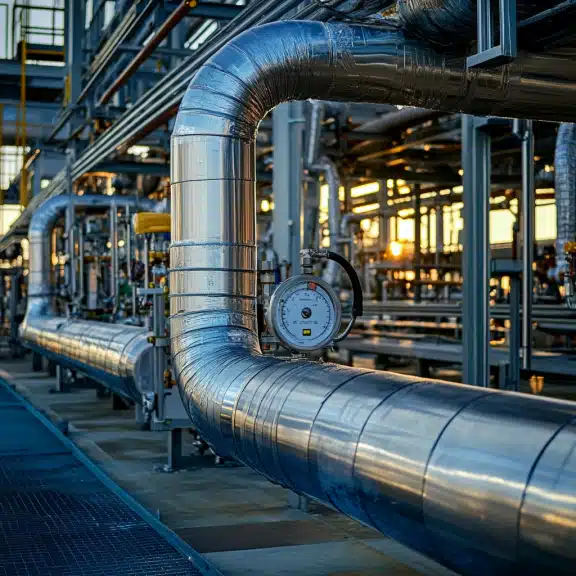
Understanding the difference between pressure vessels and reactor vessels is essential in industrial design, safety planning, and equipment selection. While both are engineered to operate under pressure, they serve very different roles in industrial systems.
Understanding the Core Difference
The primary difference between pressure vessels and reactor vessels lies in their purpose. Pressure vessels are designed mainly for containing fluids under pressure, while reactor vessels are built to support chemical or thermal reactions under controlled conditions.
This distinction influences:
- Internal design complexity
- Material selection
- Safety requirements
- Fabrication standards
Understanding these differences helps engineers select the correct vessel for performance and compliance. For a deeper dive into vessel design responsibilities, see Pressure Vessel Design: Whose Responsibility Is It?.
What Is a Pressure Vessel?
A pressure vessel is a sealed container designed to hold gases or liquids at a pressure significantly different from ambient conditions.
Main Functions
- Store pressurized gases or liquids
- Facilitate heat exchange
- Maintain pressure stability
These vessels are commonly used for storage, separation, and thermal management across industries. Learn more about how they operate in boilers in How Does a Pressure Vessel Work in a Boiler?.
What Is a Reactor Vessel?
A reactor vessel is a specialized type of pressure vessel designed to support chemical reactions, biological processes, or thermal transformations.
Key Characteristics
- Internal mixing systems
- Temperature control features
- Reaction-specific materials
- Integrated instrumentation
Reactor vessels must handle dynamic internal conditions such as exothermic reactions and phase changes. For additional insights, check Understanding Pressure Reactors with Red River LLC.
Difference Between Pressure Vessels and Reactor Vessels in Design
Structural Complexity
Pressure vessels typically have simpler internal structures focused on strength and containment. Reactor vessels, however, often include:
- Agitators or mixers
- Baffles
- Heating or cooling jackets
- Injection ports
This added complexity supports controlled reaction environments. Learn about structural considerations in Design and Construction of Pressure Vessels.
Material Considerations
Material selection plays a major role in distinguishing pressure vessels from reactor vessels.
Pressure Vessel Materials
- Carbon steel for general service
- Stainless steel for corrosion resistance
- Alloy steels for high-pressure systems
These materials are selected primarily for mechanical strength and durability. For material insights, see What Steel Is Used in Pressure Vessels? An In-Depth Exploration.
Reactor Vessel Materials
Reactor vessels require materials compatible with chemical reactions, such as:
- High-grade stainless steels
- Nickel alloys
- Glass-lined steel (in chemical processing)
Chemical compatibility and thermal resistance are critical factors.
Temperature and Pressure Management
Both vessel types operate under pressure, but reactor vessels must also manage temperature fluctuations caused by reactions.
Pressure Vessels
- Designed for stable pressure conditions
- Limited temperature cycling
- Focus on containment safety
Reactor Vessels
- Handle simultaneous pressure and temperature variation
- Require advanced thermal control systems
- Often include insulation or jackets
This dual management makes reactor vessels more complex to design and fabricate. Explore Understanding the Maximum Allowable Working Pressure of a Vessel for pressure guidelines.
Safety and Regulatory Requirements
Safety standards differ based on vessel function and risk exposure.
Pressure Vessel Compliance
- ASME pressure vessel codes
- Pressure relief systems
- Routine inspection protocols
Reactor Vessel Compliance
In addition to pressure codes, reactor vessels may require:
- Process safety integration
- Chemical compatibility testing
- Advanced monitoring systems
The higher process risk typically results in stricter design considerations. For compliance specifics, see ASME Pressure Vessel Standards: Ensuring Safety & Quality.
Applications of Pressure Vessels
Pressure vessels are widely used across industries where fluid storage or pressure control is required.
Common Uses
- Gas and liquid storage tanks
- Heat exchangers
- Air receivers
- Separation systems
- Power generation components
Their versatility makes them foundational in industrial infrastructure. Learn more about types in Pressure Vessel Types.
Applications of Reactor Vessels
Reactor vessels are used where controlled reactions are essential.
Major Industries
- Chemical manufacturing
- Petrochemical processing
- Pharmaceutical production
- Food and beverage processing
- Biofuel and energy systems
These vessels enable precise control over reaction conditions.
Choosing Between Pressure Vessels and Reactor Vessels
Selecting the right vessel depends on operational needs.
Choose a Pressure Vessel If:
- You need fluid storage or containment
- The process involves stable pressure conditions
- Internal complexity is minimal
Choose a Reactor Vessel If:
- Chemical reactions occur inside the vessel
- Temperature control is required
- Mixing or agitation is necessary
Understanding these operational differences prevents costly design mismatches.
Understanding the Difference Between Pressure Vessels and Reactor Vessels
The difference between pressure vessels and reactor vessels comes down to function and complexity. Pressure vessels focus on containment and pressure management, while reactor vessels are engineered to support controlled chemical or thermal reactions.
Each serves a vital role in industrial operations, and choosing the right one depends on process requirements, safety considerations, and long-term performance goals. At Red River, our expertise in pressure vessel fabrication ensures every vessel is engineered for durability, compliance, and operational excellence. For insights into fabrication techniques, visit Pressure Vessel Fabrication.
Partner with Red River for Expert Vessel Solutions
Ensure your industrial operations run safely and efficiently with the right vessel. Red River specializes in designing and fabricating pressure and reactor vessels tailored to your process needs. From custom skid packages to prefabricated spools, every product is built for durability, compliance, and peak performance.
Contact us today to discuss your project and experience the Red River difference, where quality American-made products meet unmatched expertise.
Frequently Asked Questions
1. What is the main difference between pressure vessels and reactor vessels?
Pressure vessels store fluids under pressure, while reactor vessels are designed to facilitate controlled chemical or thermal reactions.
2. Can a pressure vessel be used as a reactor vessel?
In some cases, a modified pressure vessel can serve as a reactor, but most reactor vessels require additional features like mixing systems and thermal controls.
3. Do reactor vessels require different materials than pressure vessels?
Yes. Reactor vessels often use materials with higher chemical resistance and thermal stability due to reaction exposure.
4. Are reactor vessels more expensive than pressure vessels?
Typically, yes. Reactor vessels involve more complex design, fabrication, and instrumentation requirements.
5. How are these vessels inspected for safety?
Both use nondestructive testing methods such as ultrasonic testing, radiography, and visual inspection, along with routine maintenance schedules.
Key Takeaways
- The difference between pressure vessels and reactor vessels lies in purpose and design complexity.
- Pressure vessels focus on containment, while reactor vessels support controlled reactions.
- Reactor vessels require advanced materials and thermal management systems.
- Both must meet strict safety and fabrication standards.
- Choosing the correct vessel ensures operational safety and long-term reliability.
Related Blog Post
Which Materials Suit Make-Up Water Service?
How Big Should Make-Up Water Tanks Be?
Make-Up Water Tanks: Design, Sizing, and Fabrication
When to Spec Equalization Tanks for Industrial Systems
How Do Equalization Tanks Balance Flow?
About Author



