Understanding the Distinction: Boiler vs. Vessel

Introduction to the Difference Between a Boiler vs Vessel
At Red River LLC, we understand the pivotal role that boilers play in various industries. A boiler, in its simplest form, is a device designed to generate steam or heat fluids. Consequently, this steam or heated fluid is then used for a multitude of applications, from powering turbines for electricity generation to providing heat in manufacturing processes. What sets boilers apart is their ability to handle high-pressure conditions, making them indispensable in power generation, oil and gas, and commercial works.
Understanding What a Vessel Is
In contrast, a vessel, particularly a pressure vessel—which is our specialty at Red River—is a container designed to hold gases or liquids at a pressure substantially different from the ambient pressure. Therefore, these vessels are fundamental in industries like biogas, minerals/elements, and power generation. For example, they are often used for storage, reaction, or separation purposes. The design and manufacturing of these vessels require a high level of precision and understanding of materials science, which is where our expertise at Red River shines.
The Role of Boiler vs Vessel in Industry
Boilers and vessels, though different in function and design, are united in their critical role across various industries. For instance, at Red River, we’ve seen firsthand how these components drive efficiency and innovation in fields ranging from oil and gas to commercial/public works. Moreover, our commitment to quality and safety in manufacturing these essential components aligns with the American values of hard work, reliability, and excellence.
Historical Evolution of Boiler vs Vessel
The Origins of Boilers
Boilers have a rich history, tracing back to the 18th century when they were primarily used in steam-powered engines. Initially rudimentary in design, these boilers laid the foundation for the development of modern steam-generating technology. Over time, advancements in engineering and materials allowed boilers to become more efficient and reliable, further solidifying their importance in industrial applications.
Development of Vessels Over Time
Pressure vessels evolved alongside boilers, initially emerging as simple containers but gradually becoming more sophisticated. Over time, their development was propelled by the need for higher-pressure storage solutions in industrial applications. Consequently, this progress marked a turning point in industrial efficiency and safety.
How Historical Changes Shaped Modern Usage
The evolution of boilers and vessels reflects advancements in materials science and engineering. Today, they are integral in numerous industries, showcasing enhanced efficiency, safety, and functionality. Furthermore, these advancements highlight the importance of innovation in meeting modern industrial demands.
Key Differences Between Boiler vs Vessel
Design and Construction Variations
Boilers and vessels differ significantly in design. For example, boilers are built to handle steam generation, while vessels are designed for storing or processing liquids and gases under pressure. This distinction underscores their unique roles in industrial processes.
Operational Differences
Operational functionality also sets boilers and vessels apart. Boilers focus on heat transfer and steam generation. In contrast, vessels are primarily used for storage, reaction, or separation processes. Therefore, understanding these differences is crucial for selecting the right equipment for specific applications.
Safety Regulations for Boilers vs. Vessels
Safety regulations for boilers and vessels vary, reflecting their distinct operational risks and requirements. For instance, compliance with industry standards is crucial for both, ensuring reliability and protection in high-pressure environments.
Types of Industrial Boilers
Fire-Tube Boilers Explained
Fire-tube boilers, where hot gases pass through tubes surrounded by water, are used for lower-pressure applications due to their simple design and operation. Consequently, these boilers are ideal for industries requiring straightforward heat generation solutions.
Water-Tube Boilers and Their Uses
Water-tube boilers, in which water circulates in tubes heated externally by the fire, are suitable for high-pressure applications.
Electric Boilers: Advantages and Applications
Electric boilers offer a clean, efficient alternative, ideal for various applications where combustion is not desirable.
Exploring Various Vessel Types
Pressure Vessels: A Detailed Look
Pressure vessels, designed to hold gases or liquids at high pressures, are critical in industries like petrochemicals and pharmaceuticals.
Storage Vessels and Their Functions
Storage vessels are essential for holding liquids and gases, varying in size and design based on their application.
Reactor Vessels in Chemical Processing
Reactor vessels, used in chemical processing, are designed for managing chemical reactions under controlled conditions.
Boiler vs Vessel Applications in Different Industries
Boilers in Power Generation
In power generation, boilers are fundamental for steam production, driving turbines for electricity.
Vessels in the Chemical Industry
In the chemical industry, vessels are used for reactions, storage, and separation processes.
The Role of Boilers and Vessels in Food Processing
Boilers and vessels play a vital role in food processing for pasteurization, sterilization, and cooking processes.
Maintenance and Safety Protocols
Regular Maintenance for Boilers
Regular maintenance of boilers is crucial for operational efficiency and safety. This includes routine inspections, cleaning, and repairs to ensure optimal performance and prevent potential hazards.
Safety Measures for Handling Vessels
Handling pressure vessels requires strict safety measures. This involves regular checks for pressure integrity, corrosion, and wear, alongside ensuring adherence to safety protocols during operation.
Compliance with Industry Standards
Compliance with industry standards like ASME is essential for both boilers and vessels. This ensures safety, reliability, and efficiency in their operation.
Future Trends in Boiler vs Vessel Technology
Innovations in Boiler Design
Future boiler designs are focusing on energy efficiency, reduced emissions, and integration with renewable energy sources.
Advancements in Vessel Manufacturing
Advancements in vessel manufacturing include the use of superior materials, precision engineering, and automation to enhance safety and efficiency.
Environmental Considerations and Sustainability
Environmental sustainability is becoming a key factor in the design and operation of boilers and vessels, aiming to reduce carbon footprints and enhance energy efficiency.
Choosing the Right Boiler vs Vessel for Your Business
Factors to Consider When Selecting a Boiler
Selecting the right boiler involves considering factors like capacity, fuel type, efficiency, and space requirements.
Assessing the Right Vessel for Specific Needs
Choosing the right vessel requires understanding the specific needs, such as pressure requirements, material compatibility, and capacity.
Consulting with Red River LLC Experts
Red River LLC offers expert consultation to help businesses choose the most suitable boilers and vessels for their specific requirements.
Case Studies: Successful Boiler and Vessel Implementations
Real-World Applications in Energy Sector
Case studies in the energy sector demonstrate how Red River LLC’s boilers and vessels contribute to efficient energy production.
Efficiency Improvements in Manufacturing
Examples in manufacturing show how our boilers and vessels have improved operational efficiency and safety.
Custom Solutions by Red River LLC
Red River LLC specializes in providing custom solutions tailored to the unique needs of each client, ensuring optimal performance and safety.
Need a reliable partner?
Frequently Asked Questions About Pressure Vessels
What are the key factors to consider when designing a pressure vessel?
Designing a pressure vessel requires careful consideration of several factors to ensure safety, efficiency, and compliance with standards. The primary factors include the type of material to be used, which should be chosen based on its strength, corrosion resistance, and suitability for the intended contents and operating conditions. The operating pressure and temperature are also critical, as they dictate the vessel’s design pressure and temperature limits. Additionally, the vessel’s size and shape must be optimized for its intended use, while ensuring it meets the relevant ASME (American Society of Mechanical Engineers) standards for pressure vessels.
How do environmental factors influence pressure vessel design and operation?
Environmental factors play a significant role in both the design and operation of pressure vessels. For instance, vessels used in marine environments require materials and coatings resistant to saltwater corrosion. Similarly, vessels operating in extreme temperatures need materials and insulation capable of withstanding such conditions. Environmental regulations regarding emissions and energy efficiency can also influence design choices, such as the incorporation of eco-friendly materials and technologies.
What are the differences between a pressure vessel and a storage tank?
While both pressure vessels and storage tanks are used to store substances, the key difference lies in the handling of pressure. Pressure vessels are designed to operate at pressures significantly higher or lower than the ambient pressure, making them suitable for storing gases or liquids under pressure. In contrast, storage tanks typically hold liquids at atmospheric pressure and are not designed to withstand the high pressures found in pressure vessel applications.
Can pressure vessels be customized for specific industry needs?
Yes, pressure vessels can be extensively customized to meet specific industry requirements. This customization can include size, shape, material composition, internal components, and external fittings. Industries like petrochemical, pharmaceutical, and food processing often require vessels with unique specifications to handle different pressures, temperatures, and substances. Customization ensures that the vessel performs optimally under the specific conditions of the intended application.
What are the most common materials used in pressure vessel construction, and why?
The most common materials used in pressure vessel construction include carbon steel, stainless steel, and alloy materials like nickel and aluminum. Carbon steel is widely used due to its strength and cost-effectiveness, making it suitable for a variety of applications. Stainless steel is preferred for its corrosion resistance, essential in industries dealing with corrosive substances. Alloys like nickel and aluminum are chosen for their specific properties, such as high temperature and pressure resistance, or lightweight characteristics.
Related Blog Post
- Is a Boiler a Vessel? | Red River LLC
- Is an Oil Rig a Vessel? | Red River LLC
- What are the 4 parts of a vessel? | Red River LLC
- What is the Purpose of a Vessel? | Red River LLC
- What is an Example of a Pressure Vessel
- What is a Pressure Vessel in a Boiler? | Red River
- What is a Vessel in the Supply Chain? | Red River LLC
- What is the Meaning of Vessel in Offshore? | Red River LLC
- What is the difference a vessel and a pressure vessel?
- How does a pressure vessel work?
Solutions
In the realm of industrial solutions, Red River emerges as a pioneer, offering a diverse range of custom-engineered products and facilities. Among our specialties is the design and production of Custom/OEM Pressure Vessels, meticulously crafted to meet individual client requirements, ensuring performance under various pressure conditions. Our expertise extends to the domain of prefabrication, where Red River leads with distinction.
The company excels in creating prefabricated facilities, modules, and packages, reinforcing its stance as a forerunner in innovation and quality. This proficiency is further mirrored in their Modular Skids offering, where they provide an array of Modular Fabricated Skid Packages and Packaged equipment. Each piece is tailored to client specifications, underlining their commitment to delivering precision and excellence in every project they undertake.


Related Blog Post
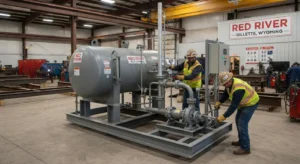
Can Condensate Storage Improve Reliability?
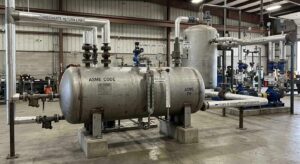
Where Do Condensate Tanks Fit in a Steam System?
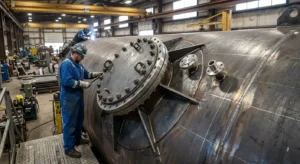
Which Nozzles Simplify Maintenance on Pressure Vessels?
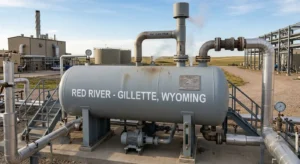
How to Vent Condensate Tanks in Steam Systems
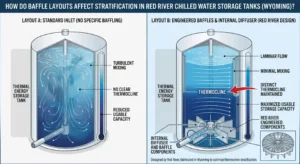
How Do Baffle Layouts Affect Stratification in TES Tanks?
No pillar keyword set for this post.
About Author