
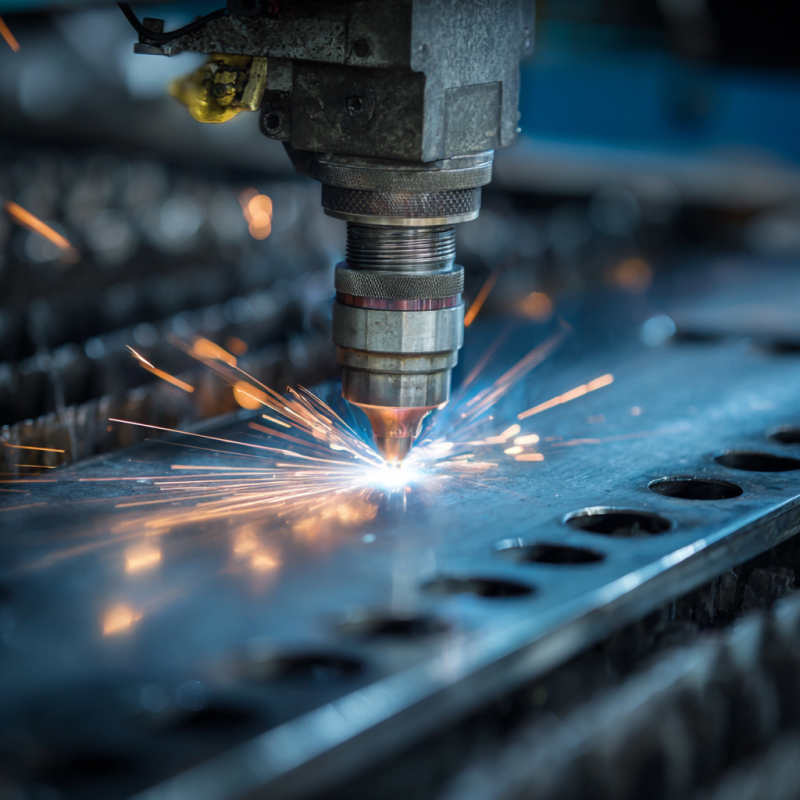
What Is Precision Sheet Metal Fabrication Explained
Discover what is precision sheet metal fabrication and why it’s essential for creating accurate, durable metal components. Red River LLC provides high-quality, precise, and efficient metal solutions for industrial and custom applications across the USA.
Understanding What Is Precision Sheet Metal Fabrication
Have you ever asked, “What is precision sheet metal fabrication?” precision sheet metal fabrication blends modern technology with skilled craftsmanship to shape, cut, and form metal sheets into essential components. Understanding this process reveals how everyday items and custom designs come to life with accuracy, durability, and efficiency.
Understanding What is Precision Sheet Metal Fabrication
Precision sheet metal fabrication uses CNC sheet metal fabrication, metal fabrication , and software modeling, to transform flat metal sheets into precise, functional components with tight tolerances and consistent quality.
This cutting-edge approach is particularly valuable when you need consistency throughout large production runs or when you need custom components that fit together seamlessly in a bigger system. From automotive parts to sophisticated pressure vessels, the emphasis on tight tolerances and thorough quality checks keeps your final product reliable and durable.
Why Focus on Precision?
Precision fabrication and CNC sheet metal fabrication tackle measurement errors by combining skilled craftsmanship, accurate measurements, and specialized equipment, ensuring high-quality, consistent components without costly fixes or delays.
How it Differs from General Metal Fabrication
You might already be familiar with general metal sheet fabrication, which can involve processes like welding and forming. Precision sheet metal fabrication uses many of these same steps, but it goes further by integrating:
- Advanced modeling software that spots design conflicts early.
- Automated or computer-controlled cutting machines to ensure repeatable accuracy.
- Rigorous inspection procedures ensure each piece meets specifications.
If you’re looking for more information on how precision techniques compare, take a peek at precision sheet metal fabrication for more detailed insights.
Recognize the Key Benefits
So, what makes precision sheet metal fabrication and metal fabrication techniques so appealing, especially for large-scale or high-stakes projects? Let’s walk through some distinct advantages:
Tight Tolerances
When a project demands exact measurements, precision fabrication offers the controlled environment you need. Whether it’s for surgical equipment or sensitive industrial systems, consistent dimensions mean fewer errors and smoother performance.
Enhanced Durability
Skilled welders, top-grade metals, and stringent quality checks often lead to resilient components that can handle stress, extreme temperatures, or various forms of pressure. Learn more about welding techniques.
Increased Efficiency
Prefabrication in a specialized setting speeds up production and reduces material handling onsite.
Tailored Solutions
If you need a custom design or specific fit, precision fabrication shops can craft unique pieces.
Cost Savings
While upfront costs might seem higher, using metal fabrication techniques can save money in the long run thanks to reduced rework, fewer onsite delays, and better overall efficiency.
Explore the Process Step by Step
Although each project can vary, here are the usual stages in precision sheet metal fabrication and custom sheet metal manufacturing, helping you see how your concept evolves into a high-quality component.
- Design and modeling: Everything starts with detailed digital planning using CAD software.
- Cutting and shaping: The metal sheets are then cut to shape, often using laser, waterjet, or plasma cutters to achieve clean lines. From there, bending machines or press brakes mold the sheets into the desired forms. If you’d like more specifics on these steps, check out the sheet metal fabrication process.
- Joining and assembly: Welding, brazing, or riveting is performed by skilled workers. Read more about welding positions.
- Surface finishing: Grinding, polishing, or coatings enhance durability and appearance.
- Quality control: Inspections and testing confirm that your product meets requirements, often following ASME guidelines.
Examine How Pressure Vessels Fit In
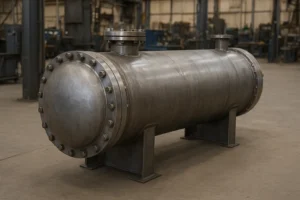
Pressure vessels, such as those used for water treatment or handling gases, require an even higher degree of precision. A mistake here could mean leaks, system failures, or serious safety hazards. Many reputable providers, including Red River, hold ASME certifications to guarantee their pressure vessels meet or exceed industry standards. This certification process involves:
- Rigorous design checks with specialized software.
- Weld qualifications to handle high-pressure conditions.
- Mandatory inspections by certified inspectors to safeguard structural integrity.
- A thorough records system for full material traceability.
When you consider “what is precision sheet metal fabrication,” especially for business-critical applications, understanding the role of pressure vessels can help you appreciate the complexity and care required to produce these components.
Industries that rely on it
Precision sheet metal fabrication isn’t just for aerospace manufacturers or energy giants, though both heavily use it. You’ll find this process in:
- Construction: Custom beams and metal accents.
- Automotive: Body parts and chassis components.
- Medical: Equipment housings and surgical tools.
- Environmental services & renewables: Filtration, gas treatment, and climate-control enclosures.
- Renewables: Biofuel and hydrogen projects that need corrosion-resistant materials and climate-control enclosures.
In each case, the unifying theme is high-quality, durable metal solutions tailored to specific purposes.
Choose a Sheet Metal Provider Wisely
If you’re considering a project, you might be wondering how to choose the right fabricator. After all, the difference between a well-crafted product and subpar work can be huge. Here are some pointers:
- Evaluate expertise: Experience in your sector is crucial. If you’re in renewable energy, you’ll likely prefer a team with a track record of building modules or spools for that environment.
- Check certifications: Search for ASME credentials, Lean Six Sigma backgrounds, or any specialized training relevant to your project. These qualifications can hint at thorough processes and consistent quality standards.
- Ask about equipment: Inquire if they use advanced methods like laser cutting, robotic welding, or BIM (Building Information Modeling) software. A modern toolset lets you trust the end product will meet your specs.
- Budget and timelines: Compare quotes, but don’t go by price alone. An exceptionally cheap bid might result in poor workmanship. Also, confirm lead times or production schedules, especially if you’re on a compressed timeline.
- Service range: Some providers offer everything from design to final assembly under one roof, which can streamline your project. If you’re looking for comprehensive support, see if they offer sheet metal fabrication services and finishing all in one place.
What Is Precision Sheet Metal Fabrication for Better Outcomes
With the right team, process precision becomes your competitive advantage. Red River LLC delivers measurable results: shorter timelines, reduced on-site exposure hours, and flawless assembly. Each project is engineered to meet exact criteria without rework.
Partner with Red River LLC for What Is Precision Sheet Metal Fabrication
If quality, efficiency, and reliability matter to your project, it’s time to work with Red River LLC. Their expertise in precision sheet metal fabrication and prefabricated systems ensures every metal component is built with unmatched accuracy. Contact Red River LLC today to bring your next project to life with confidence.
Frequently Asked Questions
1. How does precision sheet metal fabrication work?
It works by designing detailed 3D models, cutting the metal with laser, waterjet, or plasma tools, bending and forming parts with CNC machines, joining components through precise welding, and applying finishes while performing quality checks at every step.
2. Why use precision sheet metal fabrication?
Precision fabrication is used to reduce rework, lower overall costs, improve safety and reliability, and ensure components fit seamlessly while allowing for complex designs and faster project timelines.
3. Is prefabrication only for large projects?
Prefabrication benefits both large and small sites, ensuring faster turnaround, quality, and minimal disruption.
4. Which industries often need pressure vessels?
Pressure vessels appear in energy, water, chemical, and emission systems, safely containing pressurized fluids.
5. Does precision sheet metal fabrication suit custom designs?
Upfront costs may be higher, but long-term savings come from reliability and reduced rework.
6. Is it more expensive than standard fabrication?
Upfront costs may be higher, but long-term savings come from reliability and reduced rework.
7. Can I outsource just part of the process?
Many fabricators provide cutting, welding, or assembly services, depending on project scope preferences.
8. What metals work best with this method?
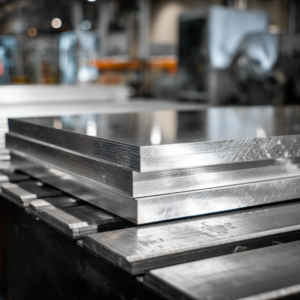
Steel, aluminum, stainless, and select alloys are commonly used for precision fabrication.
Key Takeaways
- Precision fabrication hinges on accuracy, specialized tools, and expert teams, going beyond traditional sheet metal practices.
- Prefabrication, especially in controlled conditions, can reduce onsite risks, weather delays, and cost overruns.
- Pressure vessels demand extra caution, since even a slight miscalculation can lead to system failures or safety hazards.
- If you want maximum quality and reliability, look for an ASME-certified provider or those with Lean Six Sigma processes.
- Choosing the right partner ensures consistent products that stand up to tough conditions in many industries.
Related Blog Post
How Does Precision Sheet Metal Fabrication Work?
How Does the Sheet Metal Fabrication Process Work
What Is the Sheet Metal Fabrication Process
Pressure Vessel Engineering: Safe & Efficient Guide
Top Tips for Aluminum Sheet Metal Fabrication
About Author



