
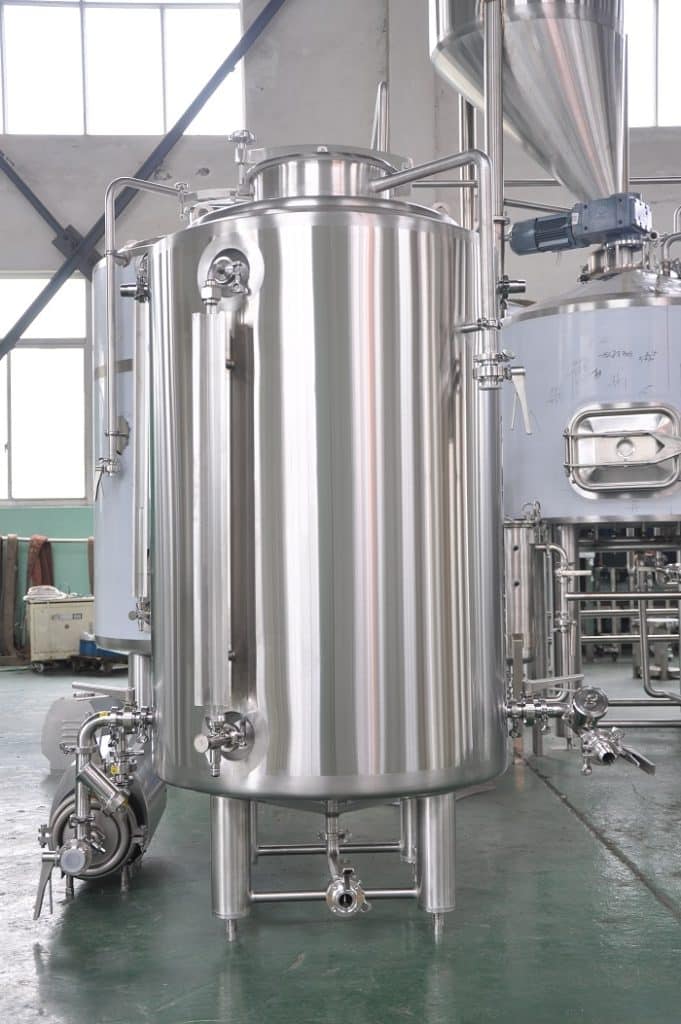
Processing Tanks Made

Introduction to Processing Tank Materials
Importance of Choosing the Right Material
Selecting the correct material for processing tanks is crucial. It directly affects the tank’s performance, longevity, and protection. Choosing the right material ensures the tank can withstand the specific conditions of your operation, including pressure, temperature, and chemical exposure.
Stainless Steel in Processing Tanks
Benefits of Stainless Steel for Processing Tanks
Stainless metal stands out as a top choice for processing tanks due to its excellent corrosion resistance, durability, and ease of cleaning. This makes it ideal for industries prioritizing hygiene, such as food and beverage production or pharmaceutical applications.
Applications of Stainless Steel Tanks
In addition to its durability, stainless steel is commonly used in food processing, beverage production, and pharmaceutical applications. Furthermore, these tanks perform exceptionally well in environments where exposure to corrosive substances is a concern.
Maintenance and Durability
One significant advantage of stainless steel is its low maintenance requirements. As a result, these tanks are easy to clean and maintain, offering long-term reliability.
Carbon Steel in Processing Tanks
Advantages of Carbon Steel for Processing Tanks
Carbon steel tanks are valued for their strength and durability. Therefore, they are a cost-effective alternative to stainless steel, especially in industries requiring high-stress and heavy-load endurance.
Use Cases for Carbon Steel Tanks
Carbon steel tanks are commonly utilized in the oil and gas industries, power generation, and heavy-duty operations. Their ability to withstand high pressure, in particular, makes them a reliable choice.
Corrosion Resistance and Longevity
Although carbon steel is less corrosion-resistant than stainless steel, it can be coated to enhance its resistance and extend its lifespan. Consequently, it is practical for industries requiring long-term durability.
Aluminum Processing Tanks
Why Choose Aluminum for Processing Tanks?
Aluminum is lightweight, which makes it easier to transport and install. Additionally, its resistance to corrosion makes it ideal for chemical storage and other environmentally sensitive applications.
Typical Industries Using Aluminum Tanks
Industries such as water treatment, chemical processing, and food storage frequently use aluminum tanks. This preference is due to their excellent corrosion resistance and easy handling.
Weight and Flexibility Benefits
The light weight of aluminum allows these tanks to be moved and installed effortlessly. As a result, this flexibility often leads to cost savings in both transportation and installation.
Need a reliable partner?
Frequently Asked Questions
What factors affect the lifespan of a processing tank?
The lifespan of a processing tank depends on several factors, including the material used, the environmental conditions it faces (such as temperature and chemical exposure), and the maintenance it receives. For example, stainless steel tanks can last for many years with proper care, while carbon steel tanks might require more frequent inspections and maintenance to prevent corrosion.
How do I decide between stainless steel and carbon metal for my processing tank?
Choosing between stainless steel and carbon steel depends on your specific needs. Stainless steel is ideal for industries where corrosion resistance and cleanliness are critical, such as food, beverage, and pharmaceutical sectors. On the other hand, carbon steel is more cost-effective and better suited for high-stress applications, including those in the oil and gas industries. Evaluating the specific requirements of your operation will help you make the right choice.
Can processing tanks be customized for specific industry necessities?
Yes, processing tanks can be custom-designed to meet the precise needs of various industries. Customization options include the tank’s dimensions, material, internal coatings, climate controls, and specialized instrumentation. For example, manufacturers like Red River LLC provide extensive customization options to ensure your tank meets your exact specifications.
What are the most unusual issues faced with processing tanks, and the way can they be avoided?
Processing tanks often encounter challenges such as corrosion, leaks, and mechanical failures. However, these problems can usually be avoided with regular maintenance, selecting the appropriate material for the application, and applying protective measures like coatings and cathodic protection. Routine inspections and timely repairs are essential for preventing small problems from escalating into major issues.
Are there environmentally pleasant alternatives for processing tank substances?
Yes, there are environmentally friendly options for processing tank materials. Stainless metal is recyclable and has a protracted lifespan, making it a green choice. FRP (Fiberglass Reinforced Plastic) tanks also are taken into consideration environmentally friendly because of their sturdiness and resistance to harsh chemical compounds, reducing the want for frequent replacements. Exploring sustainable substances and manufacturing procedures can assist reduce the environmental effect of your operations.
Related Blog Post
- What is glycol plastic?
- What is glycol material?
- Is ethylene glycol a plastic?
- Is ethylene glycol corrosive?
- Is ethylene glycol aquarium safe?
- What are API 650 storage tanks made of?
- What Material is a Cryogenic Storage Tank?
- What material is used for storage tank plates?
- Is Ethylene Glycol a Hazardous Material?
- Is antifreeze propylene glycol or ethylene glycol?
Solutions
In the realm of industrial solutions, Red River emerges as a pioneer, offering a diverse range of custom-engineered products and facilities. Among our specialties is the design and production of Custom/OEM Pressure Vessels, meticulously crafted to meet individual client requirements, ensuring performance under various pressure conditions. Our expertise extends to the domain of prefabrication, where Red River leads with distinction.
The company excels in creating prefabricated facilities, modules, and packages, reinforcing its stance as a forerunner in innovation and quality. This proficiency is further mirrored in their Modular Skids offering, where they provide an array of Modular Fabricated Skid Packages and Packaged equipment. Each piece is tailored to client specifications, underlining their commitment to delivering precision and excellence in every project they undertake.


Related Blog Post
Thermal Storage Tanks for Data Centers
How Do Seismic Zones Impact Vessel Supports
What Anchorage Details Pass Review?
No related articles found.
About Author
