
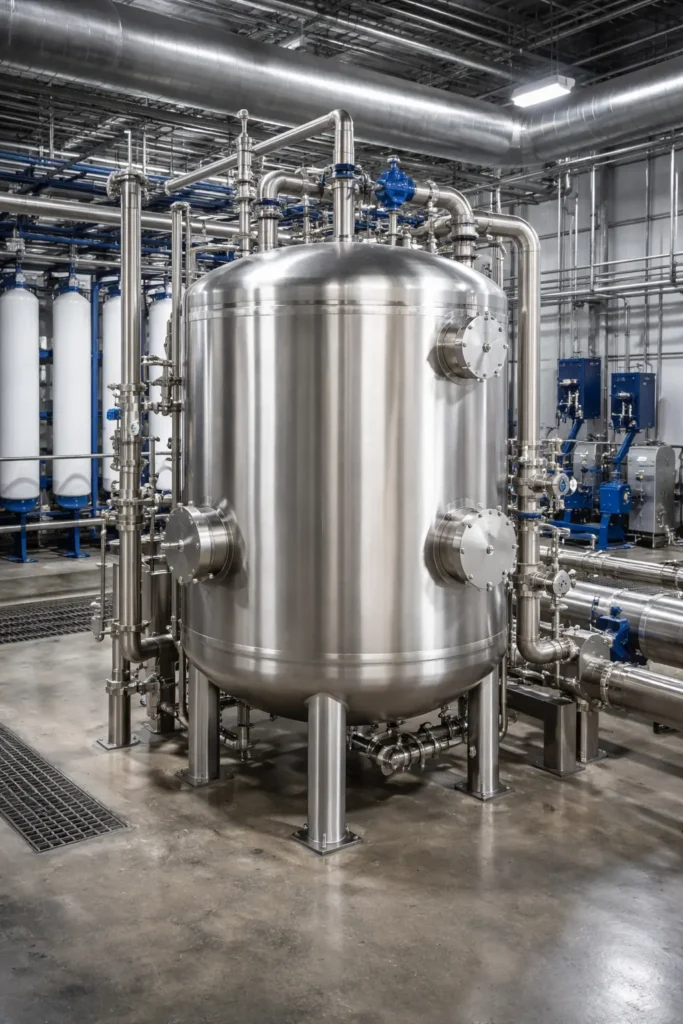
The Water Supply Regulations 1999 ensure water systems especially those using pressure vessels meet strict safety and quality standards to protect public health. If your business handles water storage, treatment, or supply infrastructure, compliance is mandatory. Red River helps industries like oil & gas and public works stay regulation-ready with ASME-certified manufacturing standards and expert support.
Understanding the Water Supply Regulations 1999
At Red River, we know how critical compliance is across industries, especially when it comes to water supply systems and pressure vessels. The Water Supply Regulations 1999 were designed to protect public health by ensuring water systems meet stringent safety standards. But what exactly do these regulations apply to, and who needs to pay attention? Let’s break it down.
Overview of Key Provisions
The Water Supply Regulations 1999 establish clear guidelines around the storage, treatment, and supply of water for both commercial and public use. These regulations directly impact systems that rely on pressure vessels to maintain pressure, control flow, or store water safely.
Compliance includes proper system design, certified materials, and adherence to recognized standards such as ASME. Facilities often rely on experienced manufacturers with strong pressure vessel design and engineering capabilities to meet these requirements.
Who Must Comply with These Regulations?
These regulations apply broadly, impacting industries from oil and gas to public works and biogas. If your business is involved in the design, installation, or maintenance of any system that interacts with water supply such as water tanks, pipelines, or pressure vessels you are required to meet these standards. This includes adhering to the guidelines set out in the 1999 Water Supply Regulations overview.
At Red River, we work with industries that demand nothing but the best. We help companies stay compliant, especially when dealing with the complexities of pressure vessels in water supply systems. Our team of experts, led by Reilly Sasse, provides custom fabricated solutions that ensure your systems are not only safe but also meet all regulatory requirements.
How the 1999 Water Supply Regulations Impact Your Business
Complying with the 1999 Water Supply Regulations is essential for businesses across various industries. These regulations ensure that water systems, including those using pressure vessels, meet strict safety and quality standards, protecting both consumers and the environment. Whether your business is in oil and gas, commercial works, or biogas, understanding and following these regulations can prevent costly mistakes while improving operational efficiency.
Commercial Water Supply Responsibilities
Businesses involved in water supply must ensure that all systems, such as pressure vessels, are designed and maintained to meet regulatory standards. This includes regular inspections, proper installation, and adherence to water quality guidelines. At our manufacturing capabilities page, we specialize in providing solutions built to recognized ASME quality standards, helping businesses meet these critical requirements with confidence.
What Happens if You Don’t Comply?
Failing to comply with the Water Supply Regulations 1999 can lead to significant consequences, including fines, legal penalties, and potential shutdowns of operations. Non-compliance also damages your business’s reputation, resulting in lost trust from clients and regulators alike.
Benefits of Compliance for Business Operations
Adhering to these regulations not only ensures legal compliance but also improves water quality and system reliability. By partnering with Red River, you can demonstrate a commitment to safety and regulatory standards, fostering trust and long-term success in your business relationships. For expert support, you can reach out via the contact page.
Key Areas Covered by the Water Supply Regulations 1999
The Water Supply Regulations 1999 set the framework for maintaining the safety and quality of water systems in various industries. These regulations cover everything from water treatment to the installation of water infrastructure, impacting businesses in sectors like oil and gas, commercial construction, and biogas. By adhering to these regulations, businesses can ensure that their water supply systems meet government standards, protecting both public health and their operational reliability.
Water Treatment and Quality Standards
One of the key areas addressed by the regulations is water treatment and quality standards. The rules ensure that water supplied to the public or used in industrial processes is free from contaminants and safe for consumption. Businesses must implement water treatment processes that remove harmful substances, maintain proper pH levels, and adhere to guidelines on disinfectants. Red River helps companies meet these critical standards by providing equipment used in water treatment systems.
Infrastructure and Installation Guidelines
The regulations also include strict infrastructure and installation guidelines, ensuring that water systems are built and maintained to last. This includes specifications for piping, storage tanks, and pressure vessels, which must meet safety and durability standards. At Red River, we manufacture custom fabricated containment equipment that help businesses comply with these infrastructure requirements, ensuring a reliable and safe water supply system.
Ready to Strengthen Your Water System Compliance?
Red River specializes in the design and manufacturing of engineered vessels. We also fabricate related items such as prefabricated spools and skid packages.
Reach out to us today and experience the Red River difference. Where American Made and American Values come together, we care more.
Frequently Asked Questions
1. What are the main objectives of the Water Supply Regulations 1999?
The primary objective of the Water Supply Regulations 1999 is to ensure that water provided for public consumption is safe, clean, and free from contaminants. These regulations set standards for water quality, treatment processes, and infrastructure to protect public health. They apply to businesses and water suppliers responsible for the storage, treatment, and distribution of water. The regulations also include guidelines for the design and maintenance of critical equipment like pressure vessels, pipelines, and water storage tanks to prevent contamination.
2. How do the Water Supply Regulations 1999 impact pressure vessel manufacturers?
Pressure vessel manufacturers, such as Red River, play a critical role in helping businesses comply with the Water Supply Regulations 1999. The regulations require that any equipment involved in storing or transporting water such as pressure vessels must meet stringent safety and quality standards. This ensures that vessels do not corrode, leak, or cause contamination in water systems. As a manufacturer, it is essential to design and fabricate regulated equipment that meet these regulatory standards, ensuring safe water supply systems.
3. Which industries are most affected by the Water Supply Regulations 1999?
The Water Supply Regulations 1999 have a wide-reaching impact on several industries. These include:
- Oil and Gas: Businesses in this sector often rely on water treatment and storage systems that must meet strict regulatory standards to avoid contamination.
- Commercial and Public Works: Municipal water systems are directly affected, requiring compliance in infrastructure components, storage tanks, and treatment facilities.
- Biogas and Power Generation: These industries frequently use water in their processes and must ensure that all equipment, including critical containment equipment, meets the regulations.
Any business involved in the design, installation, or maintenance of water system equipment is impacted by these regulations.
4. What happens if a business doesn’t comply with the Water Supply Regulations 1999?
Non-compliance with the Water Supply Regulations 1999 can result in significant penalties, including fines, legal action, and, in severe cases, the shutdown of business operations. Businesses that fail to adhere to the standards could also face reputational damage, as consumers and clients expect high levels of safety and reliability in water supply systems. Additionally, non-compliance could lead to water contamination, which can pose health risks to the public and result in costly clean-up efforts.
5. How do the regulations affect water treatment processes?
The Water Supply Regulations 1999 have a direct impact on water treatment processes by setting standards for what constitutes safe and clean water. Water treatment facilities must implement specific technologies and processes to remove contaminants such as bacteria, chemicals, and sediments. The regulations also specify the use of disinfectants like chlorine and require continuous monitoring of water quality to ensure that treated water remains safe throughout distribution. Pressure vessels play a key role in these processes by safely storing treated water and ensuring it remains uncontaminated before distribution.
Key Takeaways
- Compliance is Mandatory: The Water Supply Regulations 1999 apply to any business involved in water storage, treatment, or supply across industries like oil & gas, biogas, and public works.
- Pressure Vessels Are Regulated: All pressure vessels used in water systems must meet strict safety standards to prevent contamination and system failure.
- Non-Compliance Has Consequences: Failing to meet these regulations can lead to fines, shutdowns, and damage to your reputation.
- Red River = Compliance Partner: Red River manufactures custom engineered vessels and provides tailored fabrication solutions to help businesses stay ahead of regulatory demands.
- Benefits Beyond Compliance: Meeting these standards improves water quality, operational safety, and business credibility.
Related Blog Post
Pressure Vessel Design & Engineering: Concept to Launch
What is Pressure Vessel Design and Engineering: Code-Ready Guide
What are the Key Factors in Pressure Vessel Engineering
How Do You Design a Pressure Vessel: A Step-By-Step Guide
What is Pressure Vessel Fabrication and Manufacturing
- Regulation 5 for private water supplies: What Owners and Operators Need to Know
- Compliance with Regulation 4 for ASME Pressure Vessels: What It Means for Safe, Reliable Operations
- Water Regulations and Their Industrial Impact
- EU Water Regulations: Key Directives and Industrial Impact
- What Are WRAS Water Regulations? Compliance & Safety Guide
- Understanding Water Regulations Fluid Categories | Red River
About Author



