A faulty expansion vessel can cause pressure instability, leaks, and reduced system efficiency. Common warning signs include fluctuating pressure, repeated repressurizing, and unusual noises. Understanding these symptoms helps operators prevent costly failures and maintain safe pressure system performance.
What Is an Expansion Vessel and Why Does It Matter
An expansion vessel regulates pressure by absorbing thermal expansion in closed systems. As fluids heat and expand, pressure builds inside the system. The vessel contains a diaphragm that compresses air to stabilize pressure and prevent damage. This function is closely related to the broader principles discussed in what is the purpose of a pressure vessel and understanding pressure vessels and their function.
When the vessel fails, pressure spikes and drops can stress components, increase wear, and trigger safety risks. Whether in boilers, HVAC systems, or industrial pressure setups, expansion vessel integrity plays a major role in long-term reliability, especially in systems governed by ASME pressure vessel standards and pressure vessel maintenance best practices.
Common Signs of a Faulty Expansion Vessel
Fluctuating System Pressure
Unstable pressure readings are one of the clearest indicators of a faulty expansion vessel. When the diaphragm fails or loses air charge, the system can no longer compensate for thermal expansion. This results in pressure swinging too high or dropping below normal operating levels, an issue often linked to pressure vessel failure mechanisms and types of pressure vessel stress.
Frequent Repressurizing
If operators constantly need to repressurize the system, the expansion vessel may not be maintaining its air cushion. This often happens when the vessel becomes waterlogged, a condition explored further in understanding expansion vessels should they be filled with water and understanding a faulty expansion tank.
Visible Leaks or Corrosion
Water pooling around the vessel or safety valve may indicate internal failure. Corrosion weakens the vessel shell, while diaphragm rupture allows water into the air chamber. These degradation mechanisms align with common types of failure in strength of materials and corrosion-related pressure vessel risks.
Strange Noises in the System
Banging, knocking, or kettling noises often signal a pressure imbalance. These sounds occur when pressure changes cause rapid expansion and contraction in pipes and components, a phenomenon also seen in pressure vessel failures and case histories.
Reduced Heating or System Efficiency
A faulty expansion vessel can disrupt system balance, leading to uneven heating, short cycling, or inefficient operation. Over time, this reduces energy efficiency, similar to issues described in what happens if a boiler expansion vessel fails and understanding boiler pressure problems.
What Causes Expansion Vessel Failure
Loss of Air Charge
Expansion vessels rely on a pressurized air cushion. Over time, air can escape through valves or micro-leaks, leaving the vessel unable to absorb pressure changes. This issue is frequently encountered in pressure tanks vs expansion tanks.
Diaphragm or Membrane Damage
The internal diaphragm separates the air and water chambers. If it ruptures, the vessel becomes waterlogged and loses pressure regulation capability, one of the most common problems covered in troubleshooting a leaky expansion vessel.
Corrosion and Age
Like any pressure-containing component, expansion vessels degrade over time. Exposure to moisture, oxygen, and thermal cycles accelerates corrosion and material fatigue, consistent with material failure mechanisms in pressure vessels.
Incorrect Pre-Charge Pressure
Improper installation or incorrect pre-charge settings can cause premature failure. If the vessel is not calibrated to system pressure requirements, it may not function as intended, a topic expanded on in understanding the replacement frequency of expansion tanks.
Poor Installation Practices
Improper mounting, lack of isolation valves, or incorrect placement can shorten vessel lifespan and complicate maintenance, much like the challenges discussed in the comprehensive guide to installing pressure vessels.
How to Check If an Expansion Vessel Is Faulty
Visual Inspection
Look for signs of corrosion, rust, leaks, or deformation. External damage often indicates internal failure or advanced wear, similar to warning signs noted in understanding pressure vessel hazards.
Tap Test
Lightly tapping the vessel can reveal its internal condition. A hollow sound suggests a functioning air chamber, while a solid sound may indicate waterlogging.
Air Valve Pressure Check
Use a pressure gauge on the Schrader valve to verify air charge. If pressure is low or water escapes, the diaphragm may be compromised, a classic symptom described in signs of a combi boiler expansion vessel malfunction.
System Pressure Monitoring
Consistent pressure spikes or drops during heating cycles often indicate expansion vessel issues, closely related to pressure vessel operational failures.
Professional Testing
In critical systems, a professional pressure test ensures accurate diagnosis and safe replacement planning, aligning with how to properly test a pressure vessel.
Preventing Expansion Vessel Failure
Schedule Routine Inspections
Regular checks help identify air loss, corrosion, or early diaphragm issues before they escalate into major failures, mirroring best practices in pressure vessel inspection requirements.
Maintain Proper Pre-Charge Pressure
Ensure the vessel is calibrated to system requirements. Proper pre-charge settings reduce stress and extend service life.
Replace Aging Components
Expansion vessels typically last several years depending on usage. Proactive replacement minimizes unexpected downtime, a strategy discussed in ultimate guide to replacing an expansion vessel yourself.
Monitor Pressure Trends
Tracking pressure patterns helps detect subtle failures early, allowing planned maintenance rather than emergency repairs.
Use Quality Components
High-quality vessels built to pressure standards improve durability and reliability, especially in demanding environments.
Why Faulty Expansion Vessels Should Never Be Ignored
A faulty expansion vessel can escalate from a minor issue into a serious operational risk. Pressure instability can trigger leaks, activate relief valves, or cause equipment failure. In industrial systems, the consequences may include downtime, safety hazards, and expensive repairs outcomes well documented in when a pressure vessel failure and consequences of boiler expansion vessel failure.
Early detection, proper maintenance, and reliable components are essential for maintaining safe and efficient pressure systems.
Need a Reliable Partner?
Red River specializes in the design and manufacturing of pressure vessels. We also fabricate related items such as prefabricated spools and skid packages.
Reach out to us today and experience the Red River difference. Where American-made products and American Values come together, we care more.
Frequently Asked Questions
1. What happens if I ignore a faulty expansion vessel?
Ignoring the issue can lead to pressure spikes, leaks, and potential system failure. Over time, this may damage boilers, valves, and piping.
2. How long does an expansion vessel typically last?
Most expansion vessels last between 5 and 10 years, depending on operating conditions, maintenance, and system pressure cycles.
3. Can I recharge an expansion vessel myself?
In some cases, air pressure can be recharged through the valve. However, if the diaphragm is damaged, replacement is required.
4. Is a faulty expansion vessel dangerous?
Yes. Pressure instability can create safety risks, especially in high-pressure systems where over-pressurization may occur.
5. What pressure should an expansion vessel have?
Pre-charge pressure varies by system design but typically aligns with baseline system pressure requirements.
6. Can a faulty expansion vessel affect efficiency?
Yes. Pressure imbalance reduces system efficiency, increases energy consumption, and accelerates component wear.
Key Takeaways
- A faulty expansion vessel causes pressure instability, leaks, and efficiency loss
- Common signs include fluctuating pressure and frequent repressurizing
- Diaphragm failure and air loss are leading causes
- Routine inspections help prevent major system damage
- Monitoring pressure trends enables early detection
- Reliable vessel design improves long-term system safety
Related Blog Post
Can Condensate Storage Improve Reliability?
Where Do Condensate Tanks Fit in a Steam System?
Which Nozzles Simplify Maintenance on Pressure Vessels?
How to Vent Condensate Tanks in Steam Systems
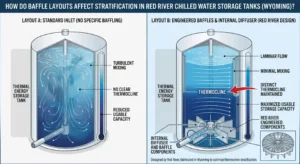
How Do Baffle Layouts Affect Stratification in TES Tanks?
No subpillar set for this blog post.
About Author