
How Much Glycol Volume Is Needed?
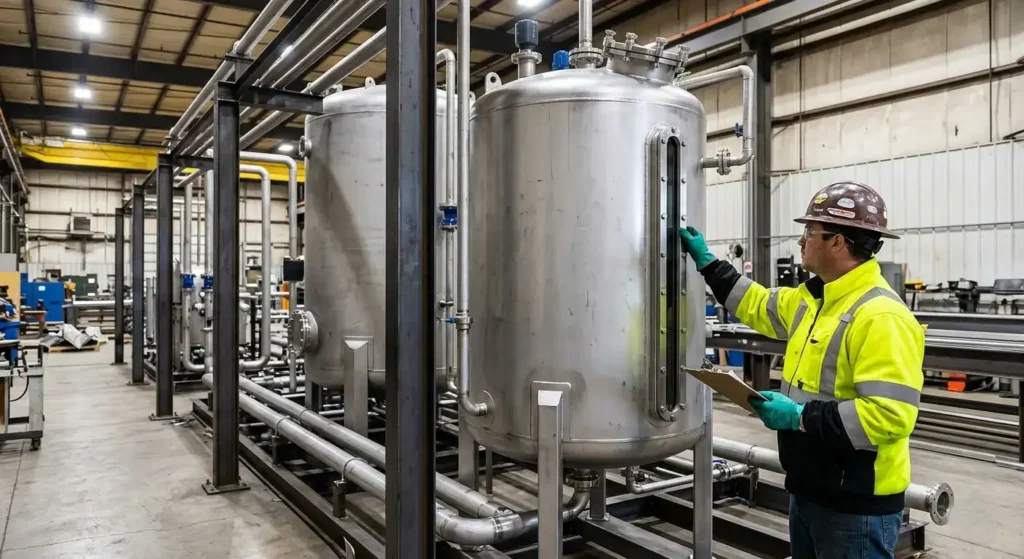
Glycol volume equals total system fluid volume multiplied by the target glycol concentration, so a 1,000-gallon loop at 30 percent needs about 300 gallons of concentrate. The concentration is set by the lowest temperature the system must survive, using the glycol manufacturer’s freeze point chart. Key Takeaways Glycol volume equals total system volume multiplied by […]
When to Use Hydronic Tanks
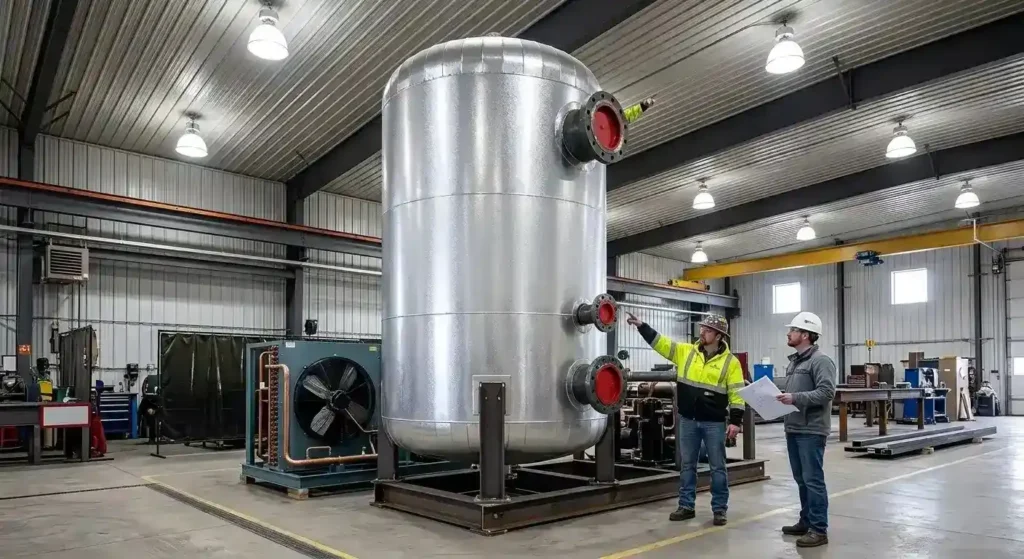
Use a hydronic tank whenever a water-based heating or cooling loop needs more volume, hydraulic separation, load shifting, or fluid conditioning than the bare piping can provide. The decision comes down to four triggers: short cycling calls for a buffer tank, variable flow calls for hydraulic separation, peak demand cost calls for thermal storage, and […]
Where Should Industrial Tanks Be Located?
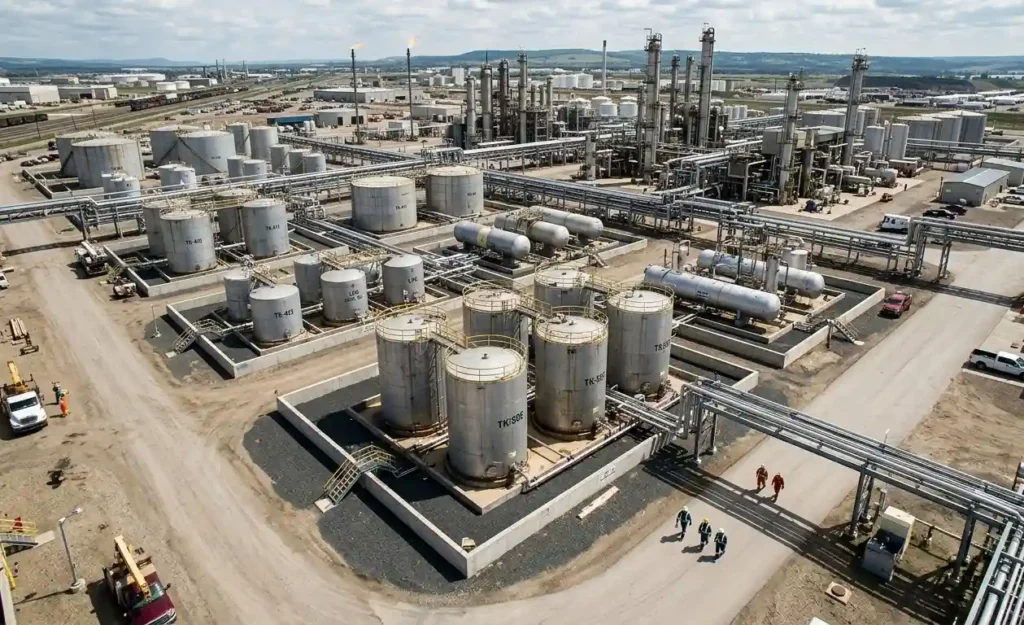
Industrial tanks should be sited based on six factors: safety separation distances, prevailing wind direction, process flow efficiency, secondary containment geometry, maintenance access, and future expansion provisions. Tank location is a foundational design decision, not a siting afterthought, because getting it wrong forces costly compromises on every downstream system. Key Takeaways Safety separation distances from […]
How Do Tie-Ins Impact Downtime
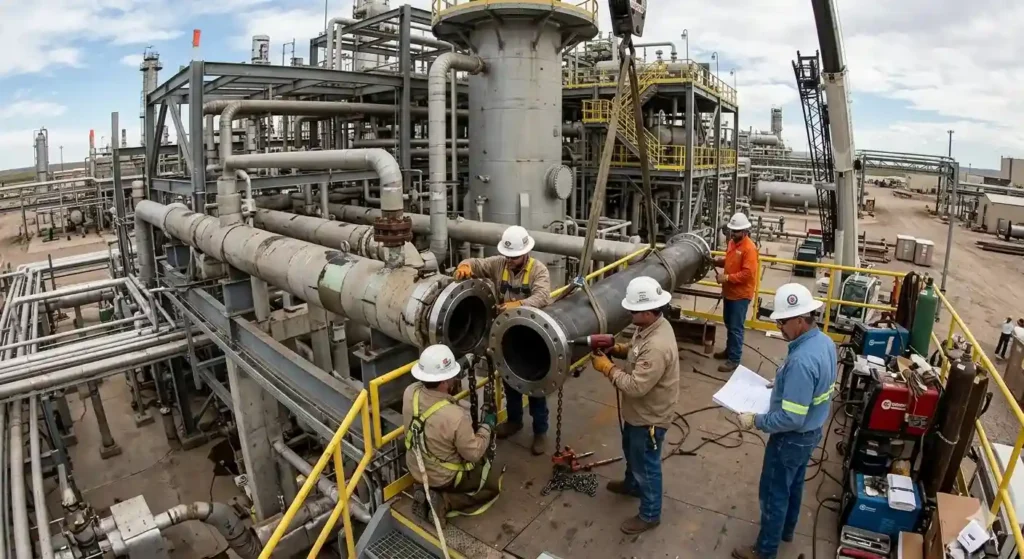
The answer comes down to three variables: how much field work is required at the connection point, how thoroughly that work was planned before the outage window opened, and whether fabricated components match actual field conditions. Each variable compounds the others. A field fit-up problem on an inadequately planned tie-in, using components that do not […]
Can Modularization Speed Builds on Industrial Projects?
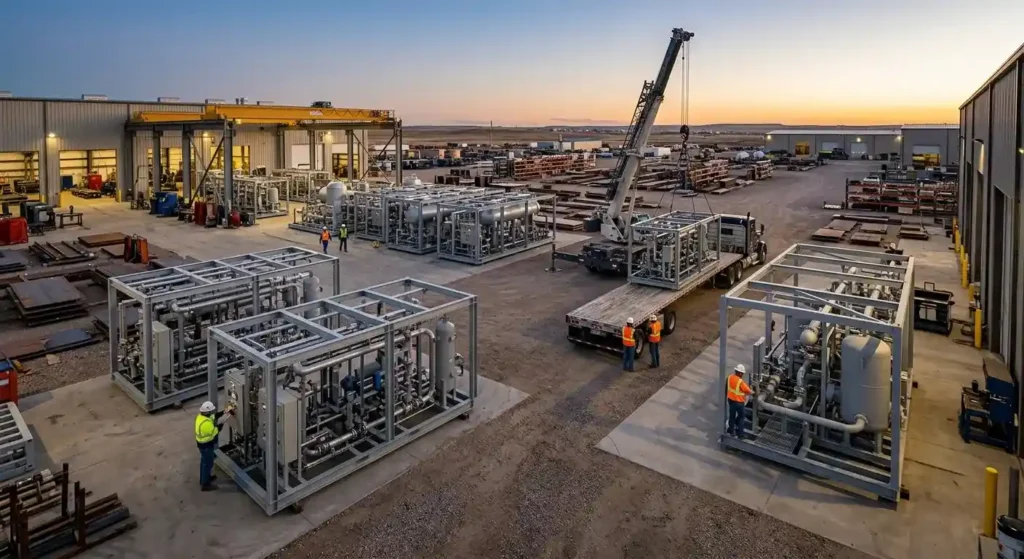
Yes. Modular fabrication schedule compression works by running shop fabrication and site preparation in parallel, removing field fabrication from the critical path so pre-tested modules arrive at the site ready for connection rather than construction. Key Takeaways Modular fabrication schedule compression is achieved by running shop fabrication parallel to site preparation, removing field fabrication from […]
Which Weld Procedures Are Common in Vessel Fabrication
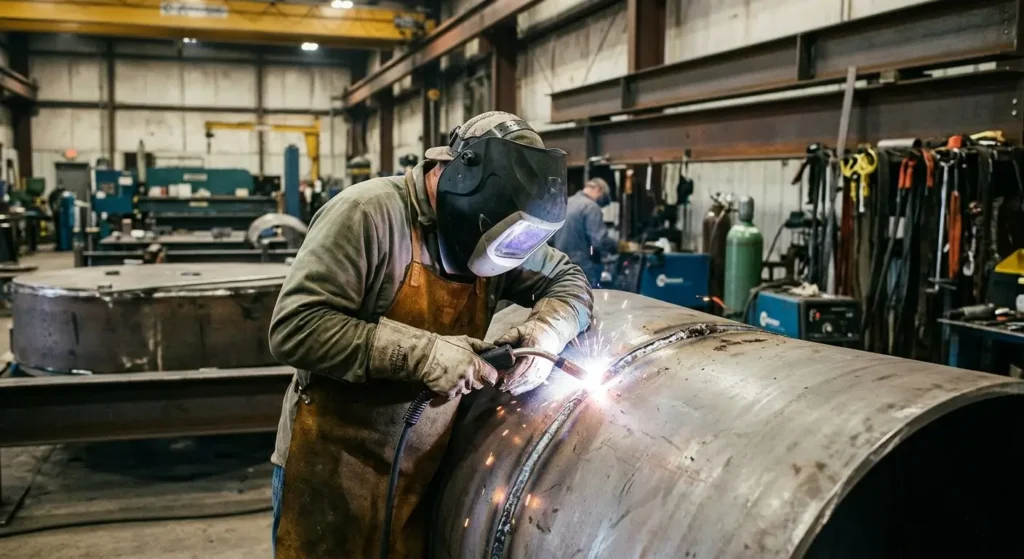
The five common weld procedures industrial fabrication relies on for coded vessels are Shielded Metal Arc Welding (SMAW), Gas Tungsten Arc Welding (GTAW), Gas Metal Arc Welding (GMAW), Flux Cored Arc Welding (FCAW), and Submerged Arc Welding (SAW). Process selection depends on base material, joint position, production volume, and whether work is shop or field, […]
How Are QC Steps Documented in Vessel Fabrication?
QC steps in ASME pressure vessel fabrication are documented through a defined chain of records: a Quality Control Manual, certified mill test reports, weld procedure specifications, welder qualification records, a weld map and traveler, NDE reports, hold-point sign-offs by an Authorized Inspector, and a final ASME Form U-1. Together these create an auditable record proving […]
Can Industrial Specs Meet Data Center Needs?
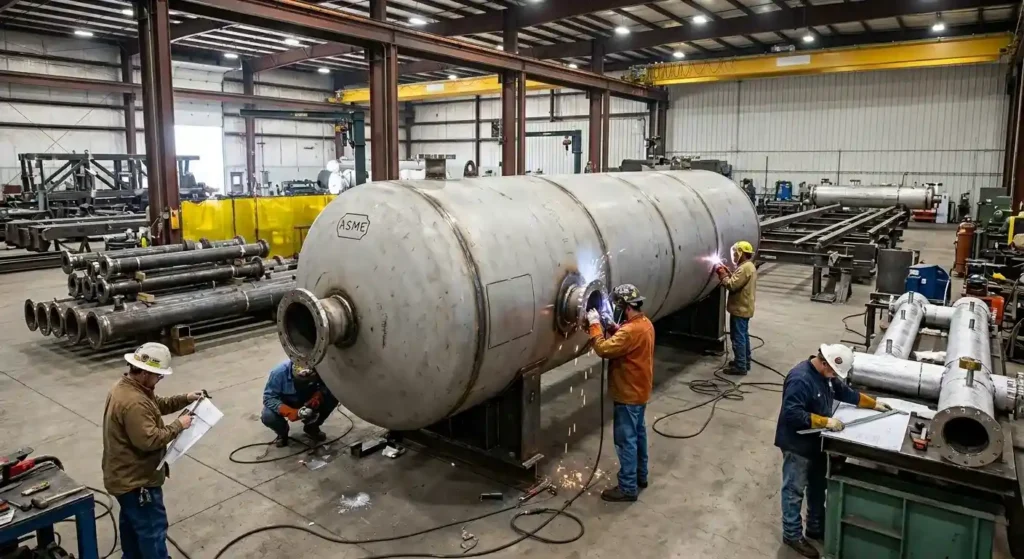
Industrial specifications meet data center needs for the core engineering requirements. ASME Section VIII governs chilled water pressure vessels in data center cooling loops the same way it governs oilfield separators and biogas vessels. Where data center projects diverge is in continuous cycling duty, space constraints, and documentation expectations, not in the applicable fabrication standards. […]
When Are Shake Table Tests Required for Industrial Equipment
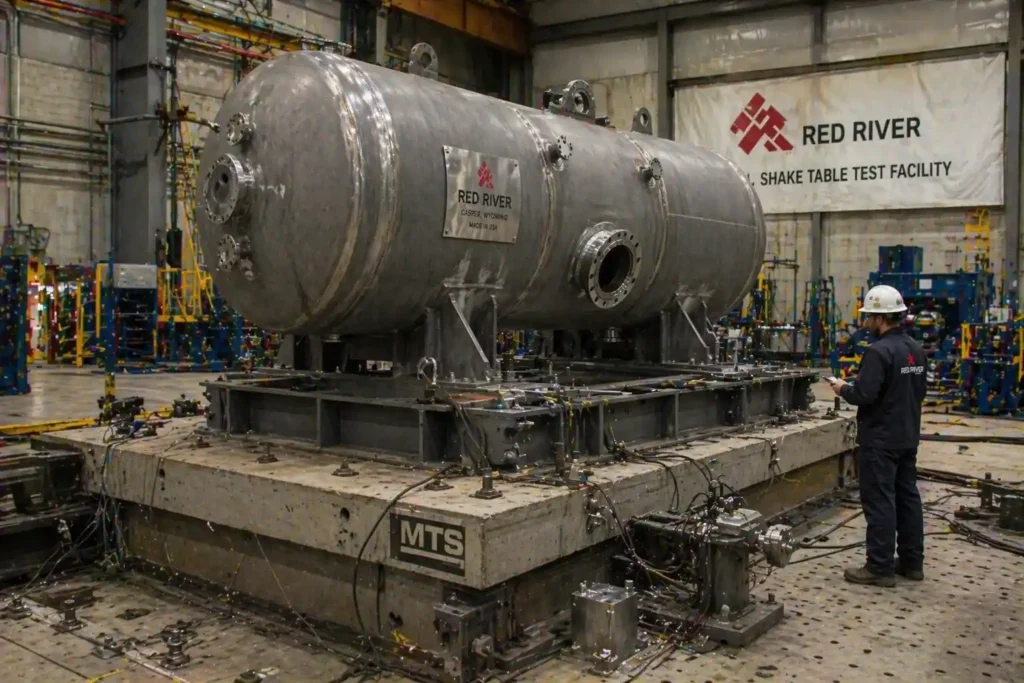
Shake table tests are required when applicable standards, regulatory authorities, or project specifications demand physical seismic qualification rather than analysis alone. This guide covers which standards drive those requirements and what they mean for equipment design and fabrication. What Shake Table Testing Actually Is A shake table test subjects a piece of equipment to simulated […]
How Do Seismic Zones Impact Vessel Supports
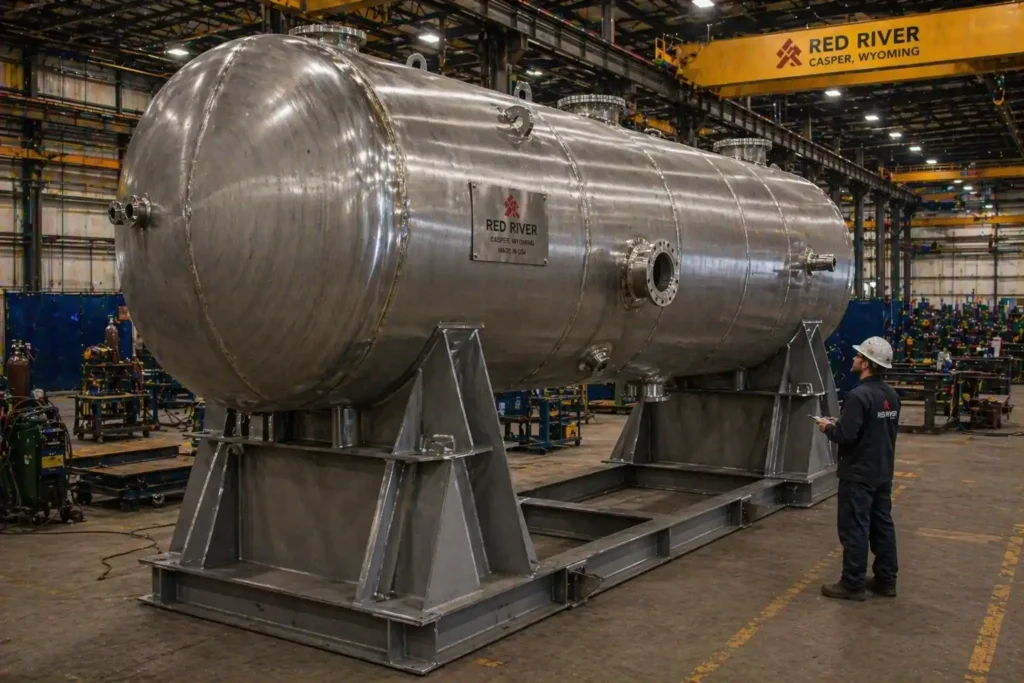
Seismic zone classification is not a checkbox on a design form. This guide covers how seismic zones impact vessel supports, which code requirements drive fabrication scope, and what fabricators need before cutting steel. What Seismic Zone Classification Actually Determines Seismic hazard in the United States is mapped and categorized through the International Building Code (IBC) […]