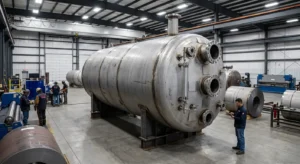
Material selection is critical to pressure vessel performance, as different materials like carbon steel, stainless steel, duplex alloys, advanced nickel alloys, composites, and clad systems are chosen based on pressure, temperature, corrosion, and safety requirements. The right choice directly affects durability, compliance, maintenance needs, and safe operation across industries, from standard storage to extreme chemical or high-temperature applications.
Common Materials Used in Pressure Vessels in America: Understanding Their Role in Performance
Common materials used in American pressure vessels determine the strength, durability, resistance, and overall performance of these critical components across multiple sectors. Whether storing gas in a refinery or containing fluids in a food processing facility, the right material selection ensures pressure vessels can withstand extreme temperatures, pressures, and corrosive substances. Organizations specializing in engineered systems, such as Red River, apply strict material standards to ensure reliability across industries.
Why Material Choice Matters in Pressure Vessel Design
Common materials used in pressure vessels in America are not chosen arbitrarily, they are selected based on design pressure, temperature range, medium compatibility, and safety regulations. A material that performs well in a water treatment plant might fail in a chemical reactor or aerospace tank. Engineers rely on materials that balance cost, mechanical properties, and code compliance, guided by industry standards like those discussed in ASME-certified pressure vessels and broader safety and compliance in pressure vessel design.
Understanding operating thresholds is also critical, as outlined in resources covering pressure vessel definitions and thresholds and the purpose of a pressure vessel.
Carbon Steel: The Workhorse of Pressure Vessels
Carbon steel is one of the most common materials used in pressure vessels in America due to its affordability and strength. It is widely used in oil and gas, HVAC, compressed air systems, and water treatment applications, including systems like air receiver tanks and compressed air vessels.
Benefits:
- Cost-effective and widely available
- Excellent tensile strength
- Suitable for moderate pressure and temperature ranges
Drawbacks:
- Prone to corrosion without coatings or linings
- Not suitable for high-purity or chemical-sensitive environments
For many industrial applications, carbon steel vessels are produced using processes detailed in the manufacturing process of pressure vessels and broader pressure vessel manufacturing process.
Stainless Steel: The Sanitary and Corrosion-Resistant Option
Stainless steel is widely used in pressure vessels for food processing, pharmaceutical production, and chemical industries where cleanliness and corrosion resistance are critical. It is commonly selected for applications discussed in guides on types of industrial pressure vessels and environments where water exposure is a concern, such as water presence in pressure vessels.
Benefits:
- Corrosion-resistant, especially the 304 and 316L grades
- Ideal for sanitary or high-purity systems
- Performs well in both high and low temperatures
Drawbacks:
- More expensive than carbon steel
- It can be harder to machine and weld
Duplex and Super Duplex Steels: High Strength with Enhanced Corrosion Resistance
Duplex alloys combine austenitic and ferritic stainless steel structures, offering exceptional strength and resistance to chloride-induced corrosion. These materials are often used in marine, offshore, and desalination systems, where reliability under harsh conditions is essential.
Their performance advantages align with engineering considerations found in discussions of failure criteria for pressure vessels and common types of failure in pressure vessels.
Benefits:
- Superior resistance to chloride-induced corrosion
- High strength-to-weight ratio
- Extended service life in aggressive environments
Drawbacks:
- Expensive and requires specialized welding techniques
- Limited availability in some markets
Hastelloy, Inconel, and Unfamiliar Alloys: For Extreme Environments
In severe operating conditions involving high temperatures, acids, or oxidizing chemicals, specialized alloys such as Hastelloy, Inconel, and Monel are used. These materials are critical for high-risk systems like reactors, power generation equipment, and aerospace components, similar to those discussed in pressure vessels in the power generation industry and advanced applications like space exploration pressure vessels.
Benefits:
- Outstanding resistance to acids, oxidizers, and heat
- Maintains structural integrity under stress
- Excellent longevity in high-risk applications
Drawbacks:
- Significantly higher cost
- Requires skilled fabrication and maintenance
Fiberglass Reinforced Plastic (FRP) and Composite Materials
FRP and other composites provide corrosion resistance and lightweight construction, making them ideal for chemical storage, water treatment, and certain low-to-medium pressure applications. Composite vessels are also discussed in contexts such as Type 3 pressure vessels.
Benefits:
- Lightweight and easy to install
- Corrosion-proof without additional coating
- Great for storing acids and alkalis
Drawbacks:
- Limited pressure range
- Can be brittle under impact
Lined and Clad Materials: Combining Strength and Resistance
When neither steel nor alloy alone provides optimal performance, engineers may use lined or clad vessels. These combine a strong structural shell with a corrosion-resistant interior surface. Material selection strategies like these are explored in guides on choosing the right material for pressure vessel fabrication and identifying the ideal material for pressure vessel fabrication.
Benefits:
- Lower cost than full alloy vessels
- Tailored to specific environments
- Maintains internal purity while ensuring strength
Drawbacks:
- Can delaminate if not fabricated properly
- Limited by temperature compatibility between the base and the liner
Final Thoughts on Pressure Vessel Material Selection
Common materials used in pressure vessels in America are chosen based on function, performance requirements, and safety considerations. Material selection directly influences vessel lifespan, maintenance needs, and regulatory compliance. Whether using carbon steel for standard storage or advanced alloys for extreme chemical processing, choosing the right material ensures safe operation under pressure.
Working with experienced fabricators that offer comprehensive capabilities, integrated solutions, and specialized pressure vessel manufacturing is essential to achieving optimal results.
Need a reliable partner?
Red River specializes in the design and manufacturing of pressure vessels. We also fabricate related items such as prefabricated spools and skid packages.
Reach out to us today and experience the Red River difference. Where American-made products and American Values come together, we care more.
Frequently Asked Questions
1. What’s the most commonly used material for pressure vessels?
Carbon steel is the most common due to its strength and affordability.
2. When is stainless steel preferred?
Stainless steel is ideal for corrosive environments and sanitary applications like food and pharma.
3. Are unfamiliar alloys really necessary?
Yes, in high-risk or extreme environments where heat and chemical resistance are critical.
4. What is the difference between clad and lined vessels?
Clad vessels fuse metals for strength and corrosion resistance, while lined vessels have separate internal linings.
5. Are composite materials durable for pressure vessels?
Yes, but they are typically used for low to medium-pressure applications, especially where weight and corrosion resistance are priorities.
Key Takeaways
- Common materials used in pressure vessels in America include carbon steel, stainless steel, duplex alloys, unfamiliar metals, and composites.
- Each material offers distinct advantages based on corrosion resistance, pressure ratings, and cost.
- Material choice impacts vessel lifespan, performance, and regulatory compliance.
- Engineers often blend materials or use liners to meet specific industrial needs.
- Partnering with a knowledgeable fabricator ensures your vessel meets all technical and safety standards.
Related Blog Post
Which Materials Suit Make-Up Water Service?
How Big Should Make-Up Water Tanks Be?
Make-Up Water Tanks: Design, Sizing, and Fabrication
When to Spec Equalization Tanks for Industrial Systems