
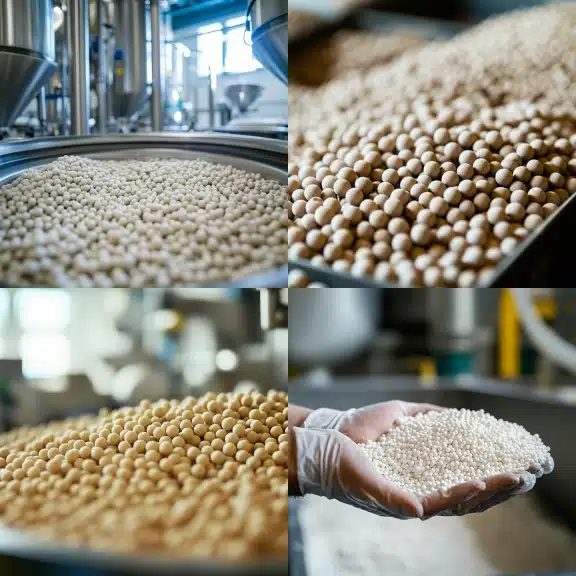
Molecular sieves are advanced filtration materials with uniform pore sizes that selectively adsorb specific molecules. Used across oil, gas, pharma, and chemical industries, they offer ultra-low moisture control, gas purification, and VOC removal. Types like 3A, 4A, and 5A each serve specialized purposes, from dehydration to hydrocarbon separation. With long service lives and high regeneration potential, molecular sieves provide cost-effective, high-performance solutions. Red River helps integrate these sieves into efficient pressure vessel systems.
What Are Molecular Sieves and Why They Matter
Molecular sieves are crystalline materials, typically zeolites, activated carbon, or silica gel, designed with uniform, tiny pores that selectively capture molecules by size. They play a pivotal role in industries requiring ultra-dry environments or high-purity separations, such as petrochemicals and pharmaceuticals. For a detailed overview, see Understanding Molecular Sieves and Their Role.
How Do Molecular Sieves Work?
These sieves operate on the principle of selective adsorption: smaller molecules enter their lattice-like pores, while larger ones pass through. This process is essential in techniques like Pressure Swing Adsorption (PSA), where gases are alternately pressurized and depressurized to selectively adsorb specific components (e.g., oxygen vs. nitrogen). Learn more about 4A Molecular Sieves.
Types of Molecular Sieves & Typical Uses
| Type | Pore Size | Key Applications |
| 3A | ~3 Å (0.3 nm) | Water removal; ethanol dehydration |
| 4A | ~4 Å (0.4 nm) | Drying gases/liquids; removing H₂O, CO₂ |
| 5A | ~5 Å (0.5 nm) | Separating O₂/N₂; hydrocarbon purification |
| 13X | ~10 Å (1 nm+) | Large molecule separation; air separation, VOC removal |
Molecular sieves pinpoint impurities and moisture, ensuring high product quality. In sectors like oil and gas or biogas, their precision can be a game-changer. For more insights, see Where Are Molecular Sieves Used? Understanding Their Applications and Benefits.
Industrial Applications & Benefits
Molecular sieves are indispensable across multiple sectors:
- Oil & Gas: Dehydrating natural gas and protecting pipelines from corrosion
- Air & Gas Purification: Critical in LNG plants to prevent ice formation and equipment blockage
- Pharma & Food: Ensures moisture-sensitive reactions and products stay pure and stable
- Environmental & Industrial Processes: Controls VOC emissions, supports high‑purity gas separations, and enhances equipment longevity
Advantages Over Other Desiccants
- Achieve ultra-low dew points, outperforming silica gel especially at elevated temperatures
- Regenerable through heating lasting hundreds of cycles (typically 500–1000+)
- Cost-effective long-term despite a higher upfront price due to durability and performance.
Choosing the Ideal Molecular Sieve
Several factors influence selection:
- Pore size and target molecules
- Operating conditions: Temperature, pressure, regeneration method
- Bead size: Controls surface area vs. pressure drop in industrial beds
Efficiency depends on optimizing these parameters and maintaining regular operational checks. Learn about Molecular Sieve Devices.
Key Factors Determining the Efficiency of a Molecular Sieve
Several factors influence a sieve’s efficiency, including pore size, temperature, and pressure. Optimizing these conditions ensures superior performance in industrial applications. Regular maintenance also plays a critical role in sustaining efficiency, as highlighted in understanding-molecular-sieves-and-their-role.
Applications and Benefits of Molecular Sieves
Molecular sieves are versatile tools used in a wide range of industrial applications. Their selectivity in adsorption and separation of molecules makes them irreplaceable in many areas, as seen in where-are-molecular-sieves-used-understanding-their-applications-and-benefits.
Industrial Applications of Molecular Sieves by Industry
Molecular sieves deliver critical separation solutions across multiple industrial sectors:
- Oil & Gas Industry: Natural gas dehydration, hydrogen purification, removing H2S and CO2 from gas streams, enhancing pipeline gas quality. Learn more about oil and gas applications in oil-and-gas-industrys-use-of-pressure-vessels.
- Power Generation: Turbine fuel purification, removing moisture from compressed air systems, protecting equipment from corrosion-causing contaminants. See understanding-power-plant-efficiency-a-comprehensive-guide-by-red-river-llc for operational insights.
- Petrochemical Processing: Catalyst protection, solvent dehydration, removing trace impurities that affect product quality.
- Pharmaceutical Manufacturing: Maintaining ultra-low moisture environments, solvent purification, protecting moisture-sensitive compounds.
Benefits of Using Molecular Sieves in Filtration
The biggest advantage of using molecular sieves in filtration is ultra-high purity. They capture even the tiniest contaminants, including water molecules or volatile organic compounds, ensuring final product quality and safety. Moreover, molecular sieves are long-lasting and regenerable, making them economical for repeated industrial use, as explained in are-molecular-sieves-reusable-understanding-reusability-and-efficiency.
Case Study: Red River’s Molecular Sieve Solutions
At Red River, we provide tailored molecular sieve solutions for a variety of projects. For instance, at a large natural gas processing plant, our custom molecular sieve systems significantly increased product purity while lowering operating costs, boosting overall efficiency. This mirrors insights found in molecular-sieve-device-guide.
Selecting the Ideal Molecular Sieve for the Task at Hand
Factors in Choosing a Molecular Sieve
Selection depends on pore size, material, temperature, pressure, type of contaminants, and general process requirements. Red River works closely with clients to assess these factors and recommend the best-fit molecular sieve, ensuring efficient and effective solutions for any application. For more on related filtration technologies, see understanding-the-difference-between-a-coalescing-filter-and-a-water-separator.
Partner with Red River for Superior Molecular Sieve Solutions
Looking to maximize efficiency, product purity, and reliability in your operations? Red River specializes in designing and manufacturing American-made pressure vessels and molecular sieve systems tailored to your industrial needs. From custom skid packages to prefabricated spools, we deliver solutions built to last.
Contact us today and see how our expertise can elevate your processes while ensuring long-term cost savings and performance you can trust.
Frequently Asked Questions
1. What’s the key difference between 3A and 4A sieves?
3A sieves absorb only water, making them ideal for dehydrating ethanol without capturing alcohol. 4A sieves remove water, CO₂, and other small molecules due to their slightly larger pore size.
2. How long do molecular sieves last?
With proper regeneration and handling, molecular sieves typically last 3 to 5 years. Lifespan depends on the application’s intensity and maintenance frequency.
3. Can molecular sieves be regenerated?
Yes, molecular sieves are regenerated by heating to around 200–350 °C. This process removes trapped molecules and restores their adsorption capacity.
4. Are molecular sieves better than silica gel?
Yes, molecular sieves outperform silica gel in high-temperature and demanding environments. They achieve lower dew points and offer greater moisture control.
5. Are molecular sieves reusable and how many regeneration cycles can they handle?
Molecular sieves can be reused for 500–1000+ regeneration cycles. Proper temperature control during heating and cooling is essential to prevent structural damage.
Key Takeaways
- Molecular sieves offer precision filtration by separating molecules based on size.
- 3A, 4A, 5A, and 13X types are chosen based on target contaminants and pore size.
- Ideal for industries requiring ultra-dry, high-purity environments like gas, pharma, and petrochemicals.
- Regenerable for hundreds of cycles, sieves are long-lasting and cost-effective.
- Red River custom-engineers pressure vessels to maximize molecular sieve performance.
Related Blog Post
Can Condensate Storage Improve Reliability?
Where Do Condensate Tanks Fit in a Steam System?
Which Nozzles Simplify Maintenance on Pressure Vessels?
How to Vent Condensate Tanks in Steam Systems
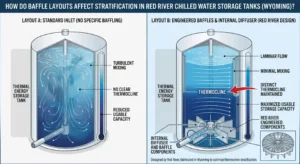
How Do Baffle Layouts Affect Stratification in TES Tanks?
No subpillar set for this blog post.
About Author



