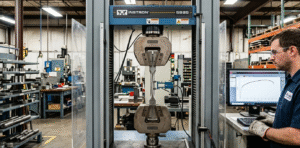
Engineer performing routine pressure vessel maintenance

What Is Pressure Vessel Maintenance? Keep Your Equipment Safe

Pressure vessel maintenance involves regular inspections, testing, and repairs to ensure safety and compliance with standards like ASME and API. Inspections are typically required every five years, with Non-Destructive Testing (NDT) and hydrostatic tests used to detect issues like cracks, corrosion, and thinning. Timely repairs or replacements are essential to prevent catastrophic failures, extend vessel life, and maintain a safe working environment. Understanding What Pressure Vessel Maintenance Is and Why It Matters Pressure vessels handle high-pressure gases or liquids and

Read More »
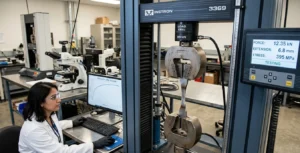
Technician performing pressure vessel maintenance inspection

Your Guide to Hassle-Free Pressure Vessel Maintenance

To ensure your pressure vessels remain safe, efficient, and compliant, regular maintenance is essential. This includes scheduled inspections, testing, and repairs based on recognized standards like ASME and API. Key actions such as monitoring for corrosion, cracks, and overpressure, along with using non-destructive testing methods, help catch potential issues early, preventing failures that could lead to safety hazards and costly downtime. Proper training, scheduled checks, and adherence to safety standards will extend the vessel’s lifespan and keep operations running smoothly.

Read More »
Different types of pressure vessels including spherical, vertical, and horizontal designs in an industrial facility

Discover the Essential Types of Pressure Vessels You Need

Pressure vessels hold fluids/gases under pressure. Types vary by wall thickness (thin/thick), shape (cylindrical/spherical, vertical/horizontal), and use (storage, process, boilers, heat exchangers, distillation, reactors). Choose the right material, follow ASME/EU codes, and maintain with regular inspections. Explore types of pressure vessels Pressure vessels are essential for storing, processing, or transporting fluids and gases under pressures higher than atmospheric levels. From simple compressed-air cylinders to advanced chemical reactors, pressure vessels ensure safe operations in industrial, commercial, and domestic settings. Understanding the

Read More »
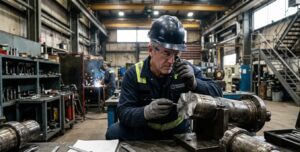
Pressure vessel engineers reviewing ASME code-compliant designs in fabrication shop

How Do ASME Codes Influence Pressure Vessel Design?

ASME codes are the safety rulebook for pressure vessels, telling engineers what materials to use, how thick to build it, how to weld, how to test/inspect, and how to document it so it can earn an ASME stamp and meet legal requirements. How Do ASME Codes Influence Pressure Vessel Design Across Industries When engineers and manufacturers ask, how do ASME codes influence pressure vessel design, the answer lies in one word: safety. The American Society of Mechanical Engineers (ASME) has

Read More »
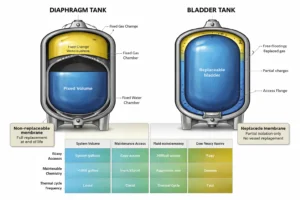
Pressure vessel built from stainless steel and carbon steel

What Is the Best Material for Pressure Vessels? Find Out Now

There’s no single “best” pressure-vessel material pick based on pressure/temperature, corrosion exposure, code requirements (e.g., ASME Section VIII), fabrication/weldability, and total lifecycle cost (upfront price + maintenance). Choosing Wisely: What Is the Best Material for Pressure Vessels? Selecting the right material for a pressure vessel can feel like navigating a maze. You want safety, affordability, and reliable performance all in one. Good news, you are not alone in figuring this out. Many buyers (including large-scale operators) wrestle with the question:

Read More »
Different types of pressure vessels including storage, process, and heat exchangers in a factory setup

Unlocking What Are the Different Types of Pressure Vessels?

Pressure vessels are code-built containers for gases/liquids under pressure. Main types: storage, heat exchangers, and process/reactor/distillation vessels. They’re typically cylindrical (common/cheap) or spherical (best for very high pressure). Materials range from carbon steel to stainless, nickel alloys, and titanium, chosen based on corrosion, temperature, and cost, while ASME rules require testing, inspection, and documentation. What are the different types of pressure vessels? If you have ever wondered, “What are the different types of pressure vessels?” you are in the right

Read More »