
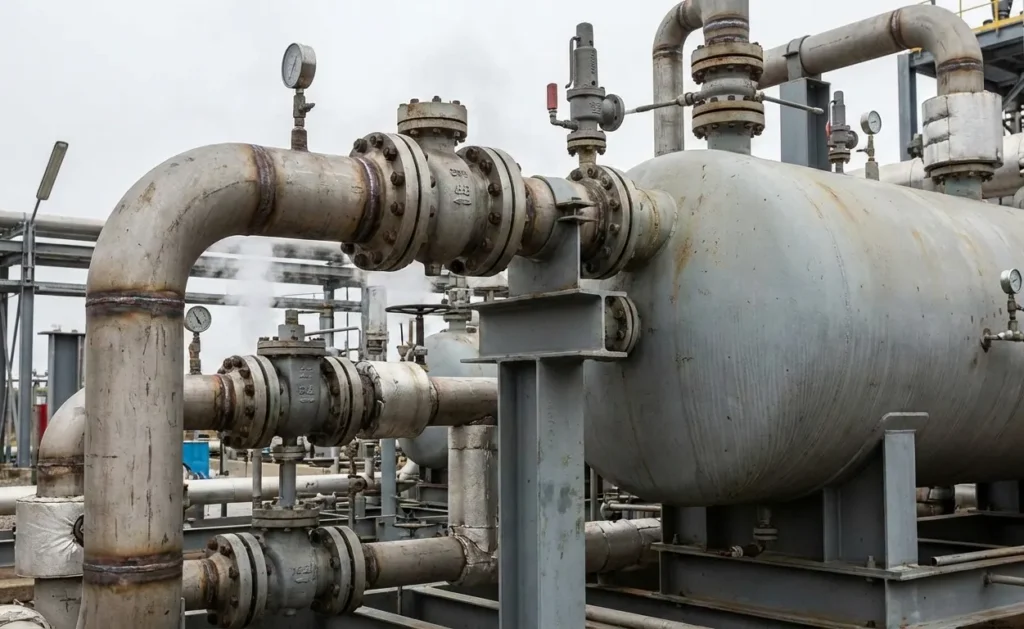
Pressurized Piping vs Pressure Vessels: Expert Industrial Guide
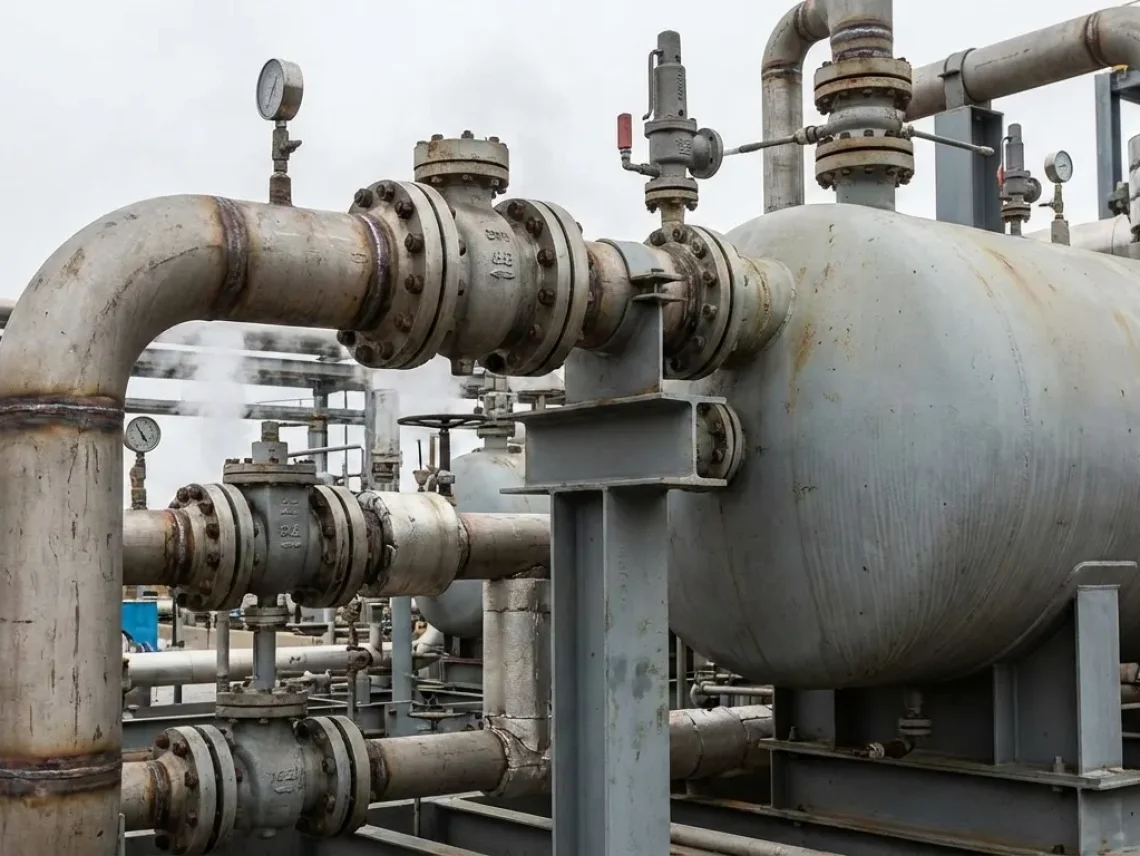
Demystifying Pressurized Piping Systems
In today’s industrial landscape, pressurized piping is the silent workhorse behind power plants, refineries, and countless manufacturing processes. Unlike regular pipes, pressurized piping systems are engineered to move fluids or gases at high pressure—requiring strict compliance with safety codes such as ASME B31.3. At Red River LLC, we believe in delivering not just compliant but exceptional solutions, leveraging decades of experience in both pressurized piping and pressure vessels.
Understanding the core differences and safety protocols of these systems can save lives, reduce costs, and optimize performance. This guide will clarify everything you need to know—so you can make smart, safe, and future-ready decisions.
What Is Pressurized Piping and Why Does It Matter?
Pressurized piping refers to a specialized system of pipes, valves, and fittings that transport fluids or gases under significant pressure. Unlike basic plumbing, these systems require engineered supports, leak-proof joints, and continuous monitoring. According to Wikipedia, such piping networks are foundational for process industries worldwide.
Moreover, these systems must pass rigorous testing and inspections. For instance, high-pressure steam piping demands not only robust materials like carbon steel or alloy steel but also precise welding techniques and quality control—ensuring everything operates within legal and safety standards.
Transitioning to safety, it’s vital to note that accidents in pressurized piping can result in catastrophic consequences. That’s why Red River LLC meticulously applies safety codes and routine inspections, as highlighted in our in-depth piece on boilers and fired pressure vessels.
Design Codes, Standards, and Materials
When it comes to design, the ASME B31.3 Process Piping code stands out as the industry benchmark. You’ll find it referenced globally, along with related standards like the EU Pressure Equipment Directive (PED), which governs European installations.
Furthermore, materials selection is anything but random. Engineers choose carbon steel, stainless steel, and various alloys for their ability to withstand high pressure and corrosion. Proper material selection is essential not just for longevity but for legal compliance as well. In-depth requirements for welding and material testing are available in the List of welding codes on Wikipedia.
Routine pressure testing—often involving hydrostatic or pneumatic tests—ensures that the entire network is robust and leak-free before being commissioned. This multi-layered approach to safety is also mirrored in our practices around steam turbine systems.
Pressurized Piping vs Pressure Vessels: Key Differences
Although often grouped together, pressurized piping and pressure vessels have distinct roles in industrial settings. While pressurized piping is all about moving substances safely from one point to another, pressure vessels are designed to hold liquids or gases at a fixed pressure.
From a code perspective, piping is governed by ASME B31 codes, whereas pressure vessels must comply with the ASME Boiler & Pressure Vessel Code (BPVC). This distinction is crucial for facility owners, operators, and engineers. If you want to see more about how these differences play out, explore our dedicated articles on pressure vessel vs high-pressure vessel and pressure vessel vs column.
Additionally, design priorities differ: piping focuses on flow and connectivity, while vessels emphasize containment and inspection access. Understanding both sides helps ensure your facility’s compliance and efficiency.
Achieve Safety and Performance with Pressurized Piping
In summary, mastering the art and science of pressurized piping is non-negotiable for modern industry. Choosing the right materials, applying the right standards, and understanding the difference from pressure vessels ensures not just compliance—but also longevity and cost savings. To keep learning and protect your operations, check out our resource on surge vessel vs pressure vessel.
Ready to Take Action?
Partner with Red River LLC for expert-engineered pressurized piping and pressure vessel solutions. Our commitment to quality, safety, and American values ensures your project is in the best hands. Contact us today and see how we can help transform your facility’s performance.
FAQ: All About Pressurized Piping and Pressure Vessels
What is pressurized piping?
Pressurized piping is a system engineered to move fluids or gases at high pressures, using certified materials and following strict safety standards like ASME B31.3.
How does pressurized piping differ from standard piping?
Standard piping usually deals with low-pressure applications and simple layouts. In contrast, pressurized piping is designed for much higher pressure, with robust supports, welded joints, and frequent inspections.
What codes regulate pressurized piping?
In the U.S., ASME B31.3 is the main standard, while the Pressure Equipment Directive (PED) applies in Europe. These ensure legal and operational safety.
What materials are commonly used for pressurized piping?
The most common materials include carbon steel, stainless steel, and alloy steels. The choice depends on the transported substance and required durability.
How does ASME BPVC relate to piping systems?
ASME BPVC is primarily for pressure vessels, not piping, but it’s often relevant when both systems interact within a facility.
Why are routine inspections critical?
Inspections detect potential failures before they escalate, safeguarding workers and property. Learn more about inspection protocols in our comprehensive guide.
What are typical failure risks for pressurized piping?
Common risks include corrosion, weld cracks, overpressure incidents, and thermal expansion. Addressing these through codes and inspections keeps systems safe.
Where can I learn more about pressure vessel types?
See our deep-dive on pressure vessels vs columns for further insights.
Key Takeaways
Pressurized piping ensures safe, high-pressure fluid/gas transport using rigorous codes.
Compliance with ASME B31.3 and material selection is essential for safety.
Pressure vessels and piping serve different but complementary roles in industrial plants.
Internal resources provide more technical guidance and support for your facility.
Partnering with Red River LLC guarantees expert solutions, compliance, and peace of mind.
Related Blog Post
- Are boilers fired pressure vessels?
- Is a steam turbine a pressure vessel?
- What is the difference between piping and pressure vessel?
- What is the difference between a pressure vessel and a column?
- What is the difference between a surge vessel and a pressure vessel?
- What is the difference between a pressure vessel and a high-pressure vessel?
Solutions
In the realm of industrial solutions, Red River emerges as a pioneer, offering a diverse range of custom-engineered products and facilities. Among our specialties is the design and production of Custom/OEM Pressure Vessels, meticulously crafted to meet individual client requirements, ensuring performance under various pressure conditions. Our expertise extends to the domain of prefabrication, where Red River leads with distinction.
The company excels in creating prefabricated facilities, modules, and packages, reinforcing its stance as a forerunner in innovation and quality. This proficiency is further mirrored in their Modular Skids offering, where they provide an array of Modular Fabricated Skid Packages and Packaged equipment. Each piece is tailored to client specifications, underlining their commitment to delivering precision and excellence in every project they undertake.


Related Blog Post
Which Materials Suit Make-Up Water Service?
How Big Should Make-Up Water Tanks Be?
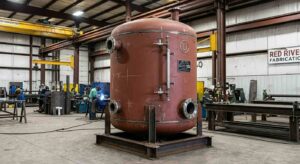
Make-Up Water Tanks: Design, Sizing, and Fabrication
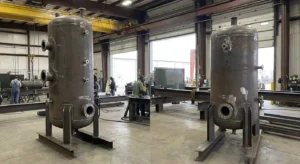
When to Spec Equalization Tanks for Industrial Systems
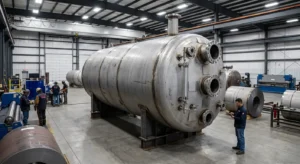
How Do Equalization Tanks Balance Flow?
- Innovations in Pressure Vessel Technology for the Water Industry
- Improving RO System Efficiency Pressure Vessels
- Trends in Sustainable Pressure Vessel Design for Water Treatment Systems
- Investing in Quality Pressure Vessels for Water Treatment
- Commercial Water Pressure Vessels for Improved System Efficiency
- Using Pressure Vessels in Industrial Water Treatment
About Author
