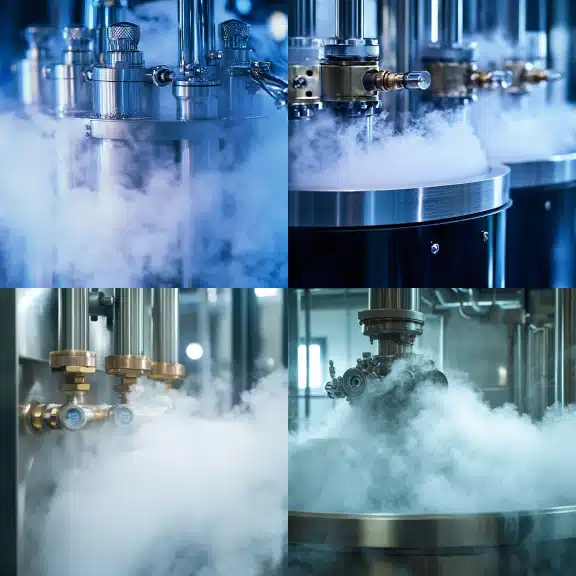
Phase separation in liquid nitrogen systems is essential for removing gas contaminants, preventing pressure fluctuations, and ensuring system reliability. Using a well-designed phase separator enhances performance in medical, industrial, and aerospace applications by delivering pure liquid nitrogen. Proper selection, customization, and maintenance of these separators are key to operational efficiency and safety.
The Basics of Phase Separation in Liquid Nitrogen Systems
Phase separation in liquid nitrogen systems plays a critical role in optimizing system performance by removing contaminants and ensuring operational safety. Phase separation ensures strong and efficient operation of cryogenic systems by separating liquid and fuel levels to maintain the purity and performance of liquid nitrogen. It prevents fuel bubbles in the liquid, which can cause pressure fluctuations and reduce device efficiency. By utilizing a segment separator, your liquid nitrogen remains pure and free of gaseous contaminants that could impact operations.
Why is Phase Separation Critical for Liquid Nitrogen?
Segment separation is vital for precision and consistency, especially in industrial and medical applications. Even trace amounts of gas in liquid nitrogen can lead to device malfunctions or inefficiencies. A well-designed phase separator removes unwanted gases, ensuring systems operate smoothly and uninterrupted. Maintaining a stable liquid segment helps uphold operational reliability and safety.
The Science Behind Phase Separation in Cryogenic Systems
At the heart of phase separation is cryogenics technology. Liquid nitrogen, due to its low boiling point, is prone to phase changes between liquid and gaseous states. A phase separator uses gravity and specialized designs to separate lighter fuel from heavier liquid effectively. This process maintains system integrity by keeping out fuel contamination. At Red River, we specialize in advanced segment separators tailored to your needs, providing optimal performance for liquid nitrogen systems.
The Role of a Phase Separator in Liquid Nitrogen Processes
How a Phase Separator Functions with Liquid Nitrogen
A section separator ensures efficiency and safety by separating the liquid from fuel, delivering only pure liquid nitrogen to your application. Gravity-based mechanisms allow gases to rise while liquid nitrogen remains in the lower chamber. This prevents gas bubbles from entering the liquid flow, avoiding pressure inconsistencies and device malfunctions.
Common Applications of Phase Separators in Cryogenics
Phase separators are essential in clinical fields, such as cryotherapy and laboratory applications. Industrially, they support operations like chemical manufacturing, food freezing, and aerospace processes requiring precise temperature control. Maintaining liquid nitrogen integrity enhances performance and reliability across these applications. Learn more about cryogenic vessels and their management.
Advantages of Using a Phase Separator in Liquid Nitrogen Systems
Using a section separator offers significant benefits. It improves operational efficiency by preventing fuel contamination, which can cause costly failures. Separators also reduce maintenance costs by ensuring consistent liquid nitrogen transport and extending equipment lifespan. For businesses relying on liquid nitrogen, investing in a high-quality separator ensures operational excellence.
Selecting the Right Phase Separator for Your Liquid Nitrogen Needs
Factors to Consider When Choosing a Phase Separator
Selecting the right separator is vital for optimal performance. Consider separator capacity, pressure tolerance, and material compatibility to avoid corrosion or degradation. Ensure the device matches your system’s operational needs, whether for continuous or batch processing. Understanding separator work principles can guide proper selection.
Custom Solutions for Liquid Nitrogen Phase Separation
Every liquid nitrogen operation is unique, requiring custom solutions for optimal performance. At Red River, we provide tailor-made phase separators that address specific operational requirements. Whether you need superior capacity, specialized materials, or unique configurations, our team works closely with you to design solutions that meet your exact needs. Our custom separators ensure your liquid nitrogen systems operate at maximum efficiency with minimal downtime.
Ensure Your Liquid Nitrogen Systems Perform at Their Best
Optimize the purity, efficiency, and safety of your cryogenic operations with a custom phase separator from Red River. Our expert team designs and fabricates separators tailored to your unique needs, ensuring uninterrupted performance in medical, industrial, and aerospace applications.
Contact Red River today to discuss your system requirements and experience American-made quality and reliability you can trust.
Frequently Asked Questions
1. What is the difference between a section separator and a cryogenic garage tank?
A cryogenic garage tank is designed to store liquid nitrogen at extremely low temperatures, ensuring the substance stays in its liquid state. These tanks are insulated to reduce warmth transfer, thereby minimizing nitrogen evaporation. Conversely, a phase separator is designed to split liquid nitrogen from its gaseous form within a cryogenic device. While a storage tank focuses on preserving stored nitrogen, a section separator ensures the nitrogen delivered is free from gaseous contaminants, optimizing device performance.
2. What preservation is required for a segment separator in a liquid nitrogen machine?
The effectiveness of a segment separator depends on its maintenance. Regular inspections ensure seals, valves, and critical components remain intact. Additionally, periodic cleaning prevents ice or contaminants from blocking liquid nitrogen flow. Logging maintenance activities can help identify early signs of wear and determine when replacements are necessary.
3. Can section separators be used with other cryogenic liquids besides liquid nitrogen?
Yes, section separators can work with various cryogenic liquids, such as liquid oxygen, liquid argon, and liquid helium. The separation principle remains the same segregating liquid and gaseous phases. However, the design may vary depending on the physical properties of the liquid used, ensuring compatibility and efficiency.
4. What preservation is required for a segment separator in a liquid nitrogen machine?
Maintenance of a section separator is important to ensure its lengthy-time period overall performance and reliability. Regular inspections need to be achieved to check for any symptoms of wear and tear or harm, in particular in the seals and valves, which are critical additives. It’s additionally critical to reveal the separator’s performance, searching out any changes in pressure or float costs that might imply trouble. Periodic cleansing may be vital to do away with any buildup of impurities or ice that might hinder the glide of liquid nitrogen. Keeping an in-depth preservation log can assist in figuring out styles that would imply the want for maintenance or replacement.
5. How do section separators improve the protection of liquid nitrogen systems?
Phase separators enhance protection by delivering pure liquid nitrogen to applications, reducing risks from gas bubbles that cause pressure fluctuations. By preventing gaseous nitrogen from entering the liquid flow, separators ensure steady performance and reduce equipment failure or safety hazards.
Key Takeaways
- Phase separation is critical to ensure the purity and performance of liquid nitrogen systems.
- A phase separator removes gaseous contaminants, preventing pressure instability and device malfunctions.
- These systems are vital in medical, industrial, and aerospace applications requiring precision and safety.
- Choosing the right separator involves considering capacity, pressure tolerance, and material compatibility.
- Regular maintenance including inspections and cleaning ensures long-term reliability and efficiency.
- Custom solutions from providers like Red River can optimize system performance based on unique operational needs.
Related Blog Post
Can Condensate Storage Improve Reliability?
Where Do Condensate Tanks Fit in a Steam System?
Which Nozzles Simplify Maintenance on Pressure Vessels?
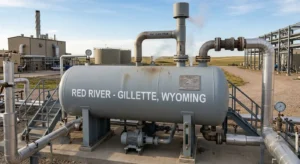
How to Vent Condensate Tanks in Steam Systems
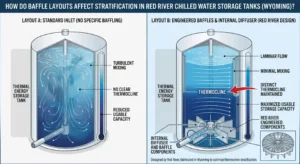
How Do Baffle Layouts Affect Stratification in TES Tanks?
- Separator Technology: Innovations for Industry & Science
- Understanding the 2 Types of Oil Water Separator
- Understanding the Difference Between Distillation and Separator
- Understanding the Purpose of a Water Separator
- Understanding Two-Phase Fluid Dynamics
- Understanding the Role of a 2-Phase Separator in Industrial Processes
About Author