
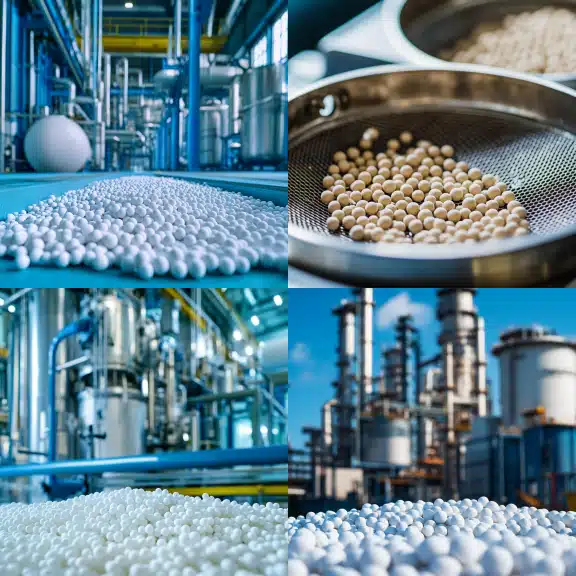
Molecular sieves are advanced desiccants used to purify gas and liquid streams in industries like oil, gas, and biogas. This guide explains their types (3A, 4A, 5A, 13X), industrial uses, potential health hazards, and key safety practices. You’ll also learn how to handle, store, regenerate, and safely dispose of these materials. Ideal for engineers, safety officers, and plant operators seeking reliable and compliant operations.
Molecular Sieves: Types, Uses & Safe Handling in Industrial Applications
Molecular sieves are essential in industrial processes such as oil and gas refining, power generation, and biogas treatment. These desiccants remove moisture and contaminants from gas and liquid streams with high precision. This article explores different types of molecular sieves (3A, 4A, 5A, 13X), their applications, regeneration methods, and safety practices for proper handling and disposal.
What is a Molecular Sieve?
A molecular sieve is a fabric with tiny, uniform pores that can selectively absorb molecules based on their size. Typically crafted from substances like zeolites or activated carbon, these sieves are engineered to capture water and other contaminants, making them integral in diverse industrial applications. Whether you’re drying gas streams, refining oil, or purifying oxygen, molecular sieves ensure that the end product meets the stringent quality standards required in these industries. For more about their application in various fields, check out our Understanding Molecular Sieves and Their Role in Solvent Drying.
However, it’s essential to recognize that working with molecular sieves comes with its own set of dangers. These substances, although effective, require cautious handling and a thorough understanding of the safety precautions needed to avoid potential hazards. For a detailed guide on safety measures.
Types of Molecular Sieves and Their Typical Uses
Molecular sieves come in several pore sizes, each suited for different applications:
- 3A: Ideal for drying hydrocarbons and polar liquids like ethanol; excludes larger molecules like ethylene.
- 4A: Removes water from gases and liquids; suitable for refrigerants, natural gas.
- 5A: Adsorbs CO₂, H₂S, and mercaptans; used in air separation and PSA systems.
- 13X: Larger pore size; removes CO₂ and moisture; common in biogas purification and air treatment.
For more on molecular sieve types, read How to Dry Molecular Sieves: A Complete Guide.
Common Uses of Molecular Sieves in Industry
Molecular sieves find their application across several industries due to their effectiveness in moisture removal and gas separation. In the oil and gas sector, they’re frequently used to dehydrate natural gas, ensuring the product meets pipeline specifications. Power-generation facilities might use them to keep hydrogen fuel dry, preventing corrosion in cooling systems. In biogas production, molecular sieves help refine the gas to achieve the desired methane purity levels, making it a viable energy source. To understand the critical role of molecular sieves in refining, check out Molecular Sieve Dehydration Methods: Applications and Regeneration Tips.
While these applications highlight the significance of molecular sieves, they also underscore the need for robust knowledge of the risks associated with their use. Improper handling or storage can lead to exposure risks that could compromise safety and operational efficiency. To learn about safe handling techniques, refer to Pressure Vessel Welding at Red River LLC.
Health Hazards of Molecular Sieves and How to Minimize Them
While molecular sieves are critical for numerous industrial methods, it is critical to be aware of the fitness risks and protection concerns associated with their use. When improperly dealt with, these substances can pose vast risks, in particular in excessive-volume or lengthy-term programs. According to multiple SDS documents, prolonged inhalation of zeolite dust can cause chronic respiratory inflammation and silicosis-related symptoms. Always refer to the Safety Data Sheet (SDS) for the specific sieve type used.
Potential Health Hazards of Molecular Sieves
Molecular sieves, particularly those made from synthetic zeolites, can cause respiratory irritation if inhaled. The fine particles can become airborne during handling, leading to potential health issues like coughing, throat irritation, and, in severe cases, lung inflammation. Direct skin contact may also cause irritation or allergies, which emphasizes the importance of wearing proper protective gear. For further reading on the risks of exposure, refer to Is Molecular Sieve Hazardous? Understanding the Risks and Safety Measures.
Risks of Inhalation and Exposure
Inhalation is one of the primary hazards related to molecular sieve use. Prolonged or repeated exposure to dust from these materials can cause chronic respiratory problems, including difficulty breathing and reduced lung function. Ensuring proper ventilation and the use of dust masks or respirators can significantly mitigate these risks. For more on how to handle such risks in a safe manner, check out Understanding the Risks: The Three Major Hazards of Pressure Vessels.
Long-Term Effects of Handling Molecular Sieves
The long-term effects of handling molecular sieves without proper precautions can be severe. Chronic exposure may increase the risk of developing respiratory conditions or exacerbate existing issues. Additionally, repeated skin contact without proper protection can lead to dermatitis or other skin disorders. Implementing strict safety protocols is critical to minimizing these risks and protecting your workforce. For more detailed information on minimizing exposure, refer to How to Test Pressure Vessel Thickness: A Comprehensive Guide.
Safety Measures and Best Practices
Ensuring the safe use of molecular sieves is crucial for maintaining a healthy work environment and protecting your team from potential hazards. At Red River, we prioritize safety in every aspect of our operations, and we’re dedicated to helping you implement best practices for handling and storing molecular sieves. Learn more in our Ultimate Guide to Pressure Vessel Maintenance.
Proper Handling and Storage Guidelines
To minimize dangers associated with molecular sieves, it’s vital to observe strict management and storage protocols. Always store molecular sieves in a dry, nicely ventilated location, far from moisture and incompatible substances. When moving or the usage of these substances, cope with them with care to avoid producing dust. Use sealed boxes to prevent exposure and make sure that sieves are stored in their authentic packaging till use.
Personal Protective Equipment (PPE) Requirements
Wearing the right private protective device (PPE) is critical while running with molecular sieves. At a minimum, workers need to wear gloves, safety goggles, and dust masks or respirators to defend in opposition to inhalation and pores and skin contact. Depending on the exposure degree, additional PPE which includes defensive garb may be vital.
First Aid and Emergency Response for Molecular Sieve Exposure
In the occasion of molecular sieve publicity, the instant first resource is important. If inhalation occurs, pass the affected man or woman to fresh air and look for scientific interest if signs persist. For skin contact, wash the place very well with soap and water. In case of eye publicity, rinse with lots of water and seek advice from a healthcare professional.
Need Expert Assistance?
At Red River, we specialize in pressure vessel design, fabrication, and molecular sieve handling. Trust our expertise to help you maintain safe, efficient operations.
Contact us today to learn more about how we can support your business with high-quality solutions tailored to your needs. Let’s work together to ensure safety and reliability in your operations.
Frequently Asked Questions
1. What are the commonplace symptoms of molecular sieve degradation, and how can it impact protection?
Molecular sieves can degrade over time, in particular when exposed to moisture or different contaminants. Common signs of deterioration include a reduction in adsorption potential, bodily breakdown (powdering), and discoloration. Degraded sieves may lose their effectiveness, leading to method inefficiencies and potential protection hazards. For example, if a sieve loses its potential to adsorb moisture, it could fail essential systems, especially in industries like oil and fuel where moisture control is essential. To avoid these troubles, normal inspection and timely alternatives of molecular sieves are essential.
2. Can molecular sieves be regenerated, and if so, how should they be completed accurately?
Yes, molecular sieves can often be regenerated via a process of heating and purging to remove the absorbed contaminants. This system, known as desorption, generally entails heating the sieve to a specific temperature that releases the trapped molecules. However, this manner must be achieved cautiously to avoid unfavorable the sieve or creating additional dangers, along with freeing dangerous gases. It’s crucial to comply with manufacturer tips or seek advice from specialists to ensure safe and effective regeneration. Always ensure the right ventilation and use appropriate protective equipment for the duration of the regeneration system.
3. Are there environmental risks related to the disposal of molecular sieves?
Yes, fallacious disposal of molecular sieves can pose environmental dangers. Used molecular sieves can incorporate dangerous materials that they’ve absorbed for the duration of their carrier life. Depending on the kind of contaminants, incorrect disposal can result in soil and water infection. It’s critical to follow local environmental guidelines for the disposal of molecular sieves. Often, they want to be handled as unsafe waste, requiring unique coping and disposal strategies. Consulting with environmental specialists or dangerous waste disposal services is suggested to mitigate environmental dangers.
4. What must be completed if molecular sieves turn out to be contaminated for the duration of use?
If molecular sieves end up infected, their effectiveness can be severely compromised. The first step is to discover the type and extent of contamination. In a few cases, the sieves may be regenerated, but if the infection is severe or the sieves have degraded beyond repair, they may want to be replaced. It’s critical to deal with infection directly to prevent any impact on your operations or safety. Additionally, reviewing the manner that brought about infection can help in enforcing measures to save you from destiny occurrences.
5. How do I select the proper kind of molecular sieve for my particular software?
Selecting the proper molecular sieve depends on numerous elements, such as the scale of the molecules you want to adsorb, the running temperature, and the presence of any contaminants for your technique move. For instance, a 3A molecular sieve is typically used for drying gases, at the same time as a 13X sieve is better suited for casting off CO2 and H2S. It’s also vital to not forget the compatibility of the sieve cloth with the substances it’s going to come into touch with. Consulting with an expert or the sieve manufacturer can offer steerage tailor-made to your unique wishes, ensuring the most efficient overall performance and safety in your utility.
Key Takeaways
- Molecular sieves are essential for moisture and contaminant removal in gas and liquid processing across oil, gas, power, and biogas industries.
- The main types (3A, 4A, 5A, 13X) differ in pore size and application selecting the right type is critical for efficiency and safety.
- Improper handling can cause respiratory issues and skin irritation; always follow PPE and ventilation guidelines.
- Molecular sieves can be regenerated through heat and purge processes, but must be done under safe, controlled conditions.
- Dispose of used sieves according to hazardous waste regulations they may retain harmful absorbed materials.
- Regular inspection and replacement ensure continued performance and reduce risk of system failure.
- For best results, store in a dry, sealed environment and monitor for signs of degradation like powdering or discoloration.
Related Blog Post
Which Materials Suit Make-Up Water Service?
How Big Should Make-Up Water Tanks Be?
Make-Up Water Tanks: Design, Sizing, and Fabrication
When to Spec Equalization Tanks for Industrial Systems
How Do Equalization Tanks Balance Flow?
About Author



