In high-risk industries like oil & gas, power generation, and public works, even minor water level fluctuations can lead to costly downtime or equipment failure. Red River’s industrial water level control systems ranging from manual setups to smart IoT-enabled technologies deliver real-time monitoring, predictive maintenance, and regulatory compliance. With proven results in critical infrastructure, we help clients cut costs, boost efficiency, and stay operational under any condition.
Understanding the Regulated Water Level
Water level control is an essential element in many industries that ensures processes run safely and efficiently. With Red River’s expertise in water level management and its direct impact on industries such as oil and gas, power generation, and public works whether a large reservoir or an industrial cooling system proper control of water levels is vital for maintaining operational stability, preventing expensive damage, and maximizing performance. Learn more about how a glycol system works in industrial applications for better temperature and water management.
Why Water Level Control is Important
Regulation of water is not only about keeping ideal conditions but also to protect your investment, minimize potential downtime, and ensure the long-term efficient use of systems. Mismanaged water levels could present a hazard in cases of flooding, system failure, or an environmental hazard. Our competency in water level management reduces risks in such instances, ensuring smooth operation regardless of your industry or application.
How to Regulate Water Levels
Manual Water Level Control Systems for Small-Scale Applications
Manual systems are ideal for operations requiring hands-on control, such as local reservoirs or smaller treatment facilities. Red River offers user-friendly setups with analog gauges, valve handles, and override functions for manual adjustment. These systems are especially cost-effective when automation is not justified and are built to withstand industrial environments with minimal maintenance. You can also see free water knockout solutions for small-scale water separation needs.
Automated Water Level Control Devices for Industrial-Scale Monitoring
Automated regulation systems use sensors, actuators, and control algorithms to monitor water levels in real time. These systems are ideal for large-scale infrastructure such as cooling towers, waste treatment plants, and industrial reservoirs. Automated monitoring reduces manual oversight while improving response speed. For instance, one energy sector client reduced unplanned water-related shutdowns by 28% after switching to automated monitoring. Discover more about understanding air addition in water-filled pressure tanks for automation integration.
Choosing Between Manual and Automated Systems: A Decision Guide
Factor | Manual Systems | Automated Systems |
Best For | Small/local operations | Large-scale industrial use |
Initial Cost | Low | Moderate to high |
Maintenance | Manual, simple upkeep | Sensor calibration, updates |
Response Time | Operator-dependent | Instant, real-time |
Integration Capability | Limited | IoT, SCADA, cloud dashboards |
ROI | Slower | Faster due to fewer shutdowns |
If your facility handles large volumes, critical infrastructure, or requires 24/7 uptime, automation is usually the better investment. For more industrial insights, check our understanding-the-basics-of-water-oil-separation guide.
Industrial Water Level Control Applications
Proper water level management is essential in various industries to prevent operational delays. Corrosion and pressure regulation issues in oil and gas plants often result from poor water level control. Water is central to cooling systems used in power generation, and regulating its level directly impacts energy efficiency. Effective water management can be the difference between smooth operation and costly repairs or downtime. Learn more about understanding water pressure tank leaks and preventative measures.
Environmental Role of Water Flow Regulation
The proper regulation of water flow and level protects the environment. It prevents flooding, which safeguards communities and minimizes the destruction of infrastructure. It also impacts drought management significantly by availing appropriate volumes of water during dry seasons while preserving ecosystems and resources.
Water Level Monitoring Technologies: Modern Tools for Predictive Control
Advancements in industrial water monitoring now rely on IoT sensors, wireless communication, and cloud analytics.
- Sensors (ultrasonic, radar, capacitive): continuously measure water levels with ±1mm precision.
- IoT Integration: Connect data to centralized dashboards for real-time decisions across locations.
- Predictive Maintenance: AI-based alerts detect anomalies before they become failures, reducing emergency maintenance by 30–50%.
These tools allow operations teams to maintain system efficiency while reducing energy costs, manual labor, and risk exposure.
These tools allow operations teams to maintain system efficiency while reducing energy costs, manual labor, and risk exposure. Discover more about smart molecular sieves and moisture control for predictive industrial applications.
Smart Water Management Systems: Advanced Systems for Real-time Water Level Monitoring
Smart water management systems take real-time water level monitoring into a new dimension. Integrated smart systems use advanced software and IoT technology to collect and provide data from multiple points in your system that can be used for predictive maintenance and automatic adjustments. Enjoy optimized water usage and waste reduction along with overall system reliability, all while keeping operations running smoothly on reduced environmental impact, with a reliable partner to count on.
Partner with Red River for Reliable Water Level Control
Ensure your operations stay safe, efficient, and uninterrupted. Whether you need manual, automated, or smart IoT-enabled water level systems, Red River delivers solutions built for precision, durability, and regulatory compliance.
Contact us today to optimize your water management, minimize downtime, and protect your critical infrastructure with trusted American-made technology and expertise.
Frequently Asked Questions
1. Which are the most suitable industries for a water level control system?
For instance, in the power, water treatment, oil and gas, and chemical industries, proper management of levels in water is necessary not only for efficient operations but also for the protection of equipment and safety. Power plants rely on precise regulation of water for cooling systems, while oil and gas facilities are noted for employing water level control in separation and storage processes.
2. How does automated water level monitoring increase efficiency in industrial processes?
Automated monitoring increases efficiency by delivering real-time alerts, automatic adjustments, and trend insights that humans can’t match manually. For example, facilities using Red River’s smart systems reported 35% fewer water-related faults and cut labor costs by 20% within the first year. These systems also support regulatory compliance with built-in logging and audit trails.
3. Role of Water Level Control Systems in Environmental Sustainability
Water level control systems help in flood protection and drought utilisation, thus an integral tool for environmental sustainability. The systems help to prevent flooding arising from excess water built-up in a reservoir, river, or other water body and causing destruction to the other communities and ecosystems. In cases of drought, control ensures that the available water is conserved and utilised in the best possible manner with the least consequences on agriculture and natural resources.
4. What are the components of a smart water management system?
A smart water management system typically integrates: sensors, actuators, control units, and software platforms. Sensors are monitoring the levels of water and flow rates, while the actuators automatically modify the valve settings and pumping control in order to regulate water flow. The control unit will process the data coming from the sensor, and command the actuators on real-time adjustments. Last but not least, the software platform allows operators to do remote monitoring of the system and data analysis and decision-making. In some cases, the systems incorporate IoT or Internet of Things technology to support operations, enhance connectivity, and predictive maintenance.
5. Do Water Level Regulation Systems Lower Operational Costs?
Yes, really effective water level regulation can reduce the operation cost quite significantly by optimizing the usage of water with the least amount of waste and damage prevention on the equipment. The automated system, in itself, means low levels of manual monitoring that results in reduced labor costs and human error. Additionally, the systems maintain the water level in optimal ranges to prevent shutdown or costly repairs through flooding or overheating of equipment. Such systems also allow for predictive maintenance, which could mean more cost savings because potential issues are addressed well before they may cause major failures.
Key Takeaways
- Water level control is essential for safe, efficient operation in industries like oil & gas, power, and public works.
- Manual systems are ideal for small-scale operations needing hands-on control.
- Automated systems with sensors and real-time monitoring reduce human error and improve efficiency.
- Smart water management systems use IoT and predictive analytics for optimized performance and lower environmental impact.
- Proper regulation helps avoid costly shutdowns, equipment damage, and regulatory issues.
- Environmental benefits include flood prevention and better water use during droughts.
- Red River provides tailored solutions with American-made reliability and deep industry expertise.
Related Blog Post
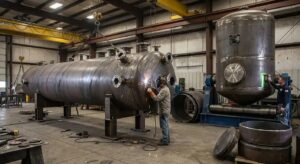
What Are Pressurized Storage Vessels?
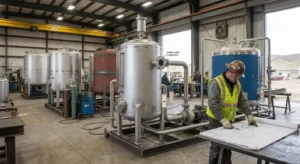
Where to Locate Air Separator Tanks?
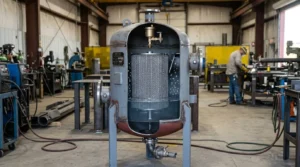
How Do Air Separator Tanks Work?
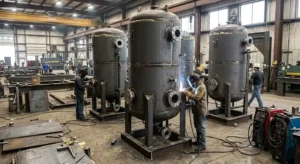
Hydronic Tanks?
What Is a Hydronic Tank?
- Regulation 5 for private water supplies: What Owners and Operators Need to Know
- Compliance with Regulation 4 for ASME Pressure Vessels: What It Means for Safe, Reliable Operations
- Water Regulations and Their Industrial Impact
- EU Water Regulations: Key Directives and Industrial Impact
- What Are WRAS Water Regulations? Compliance & Safety Guide
- Understanding EPA Standards | Red River Compliance
About Author