

Pressure vessels are essential to biotech and biofuel industries because they provide sterile, controlled environments for sensitive reactions, pharmaceutical production, and renewable fuel processing. By enabling safe, efficient, and scalable operations, these engineered systems drive innovation, sustainability, and the expansion of clean energy and advanced medical manufacturing.
How Pressure Vessels in Biotech and Biofuel Drive Innovation
Biotech and biofuel industries are undergoing a profound transformation, and pressure vessels are at the center of this shift. Across the United States, advanced vessels enable sterile processing, precise pressure control, and chemical compatibility for highly sensitive operations. From pharmaceutical manufacturing to renewable fuel production, these engineered systems support both breakthrough innovation and sustainable industrial growth. Companies with deep expertise in fabrication, such as those showcased on the Red River homepage, are helping accelerate this progress through custom-engineered solutions and rigorous quality standards.
The Role of Pressure Vessels in Biotech Applications
Modern biotechnology relies heavily on controlled environments where contamination risks must be minimized and process variables tightly managed. Specialized systems described on pages like pressure vessels and broader capabilities demonstrate how engineered equipment supports these needs at both laboratory and production scales.
Key biotech uses include:
Fermentation reactors cultivating microorganisms under controlled conditions
Bioreactors for vaccines and pharmaceutical drug production
Autoclaves that sterilize instruments, media, and components
Gas management systems regulating oxygen, nitrogen, and CO₂
Storage tanks for volatile or temperature-sensitive compounds
Supporting infrastructure such as modular skids and prefabrication enables rapid deployment of turnkey bioprocess systems while maintaining strict hygiene requirements. Articles like understanding pressure vessels definitions and thresholds and types of industrial pressure vessels provide deeper technical context on how these systems are classified and designed.
These vessels ensure purity, safety, and repeatability, making them indispensable to biomedical advancement.
How Pressure Vessels Power the Biofuel Industry
Renewable energy production demands robust systems capable of handling reactive materials, high pressures, and continuous operation. Pressure vessels enable efficient conversion of biomass into usable fuels while maintaining safety and environmental compliance.
Major biofuel applications include:
Feedstock processing for corn, algae, or switchgrass
Transesterification reactors for biodiesel production
Hydrolysis and fermentation systems for ethanol
Methane storage for anaerobic digesters
Supercritical CO₂ extraction of oils and lipids
Process efficiency depends on accurate pressurization, as detailed in resources such as mastering the art of pressure vessel pressurization and safety-focused guidance like safety and compliance in pressure vessel design. Separation technologies discussed in the importance of separator technology and equipment such as 2-phase vertical separators further optimize fuel production streams.
Key Design Considerations for Biotech and Biofuel Vessels
Designing vessels for life sciences and renewable energy requires specialized engineering beyond conventional industrial equipment.
Sanitary Construction
Biotech vessels demand ultra-clean surfaces and contamination control. Guidance from choosing the right material for pressure vessel fabrication and ideal material for pressure vessel fabrication highlights why polished stainless steel and seamless welds are standard.
Precise Pressure and Temperature Control
Sensitive biological reactions require stable operating conditions. Insights from what is the primary stress of a pressure vessel and failure criteria for pressure vessels show how engineering calculations ensure safe performance under fluctuating loads.
Corrosion Resistance
Exposure to acids, enzymes, and high-purity water necessitates advanced alloys. Resources like water presence in pressure vessels considerations and implications explain long-term durability concerns.
Explosion and Leak Prevention
Flammable gases and vapors require layered safety systems. Technical discussions in types of failure in pressure vessels and what is the most serious hazard in pressure vessel emphasize the importance of relief devices and monitoring.
Custom Agitation Systems
Fermentation and chemical reactions depend on uniform mixing. Fabrication processes described in manufacturing process of pressure vessels and fabrication process cutting folding welding illustrate how internal components are integrated during production.
Material Selection and Compliance Standards
The biotech and biofuel: growing use of pressure vessels in America depends on strict quality and regulatory compliance.
Materials are chosen for both performance and safety:
- 316L Stainless Steel: Preferred for sterile and corrosion-resistant applications
- Hastelloy and Inconel: For chemical durability in harsh processing
- Glass-Lined Steel: Sometimes used for sensitive reactions
- Polymers and Composites: For lightweight, corrosion-resistant internals
Compliance standards include:
- ASME BPVC Section VIII
- FDA cGMP Guidelines (for pharmaceutical applications)
- 3-A Sanitary Standards
- EPA and OSHA Regulations (for emissions and workplace safety)
Growth of Pressure Vessel Use in American Bio-Industries
Demand is rising as the U.S. invests in domestic pharmaceutical production and clean energy infrastructure. Industry solutions highlighted on the solutions page demonstrate how integrated systems support emerging facilities.
Key growth drivers include:
Modular bioprocessing for rapid drug manufacturing
Carbon-neutral plants using anaerobic digestion
Algae-to-energy projects with pressurized extraction
Advanced sterile pharmaceutical production
Engineering expertise and workforce development, reflected in pages like employment opportunities and company background on about us, ensure the capacity to meet expanding demand.
Pressure Vessels in Biotech and Biofuel
Biotech and biofuel: the growing use of pressure vessels in America continues to drive advancements in medicine, sustainability, and renewable energy. Pressure vessels in biotech are essential components in modern laboratories and production facilities from fermenters used in vaccine development to reactors processing biodiesel and bioethanol. These vessels are key to ensuring process efficiency, operational safety, and regulatory compliance. As the nation places greater emphasis on domestic manufacturing, clean energy solutions, and cutting-edge medical innovation, the demand for precision-engineered pressure vessels in biotech and biofuel industries will only grow. Their role is critical in scaling up operations and delivering breakthrough results across sectors.
Need a reliable partner?
Red River specializes in the design and manufacturing of pressure vessels. We also fabricate related items such as prefabricated spools and skid packages.
Reach out to us today and experience the Red River difference. Where American-made products and American Values come together, we care more.
Frequently Asked Questions About Pressure Vessels in Biotech and Biofuel
1. Why are pressure vessels important in biotech and biofuel?
They allow for controlled reactions, safe storage, and sterile processing environments critical to both industries.
2. What materials are typically used?
316L stainless steel, Hastelloy, and Inconel are commonly used due to their durability and corrosion resistance.
3. Are there special sanitary requirements?
Yes. Biotech vessels must follow FDA and 3-A standards, with polished interiors and seamless welds.
4. Can these vessels be customized for different processes?
Absolutely. Pressure vessels are often custom-built to match the specific requirements of pharmaceutical or fuel-processing systems.
5. What safety features are included?
Features include pressure relief valves, temperature sensors, flame arrestors, and explosion-proof enclosures.
Key Takeaways
- Biotech and biofuel: growing use of pressure vessels in America supports sustainable innovation and medical advancement.
- These vessels handle fermentation, extraction, storage, and high-pressure reactions.
- Materials and designs focus on sterility, corrosion resistance, and energy efficiency.
- Compliance with ASME, FDA, and environmental standards is essential.
- Demand is rising for American-made vessels in pharmaceutical and clean energy sectors.
Related Blog Post
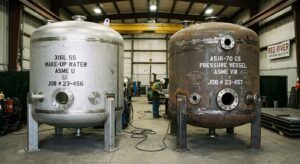
Which Materials Suit Make-Up Water Service?
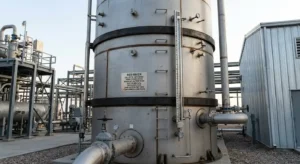
How Big Should Make-Up Water Tanks Be?
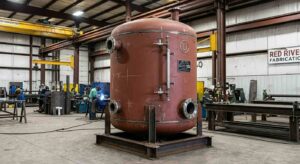
Make-Up Water Tanks: Design, Sizing, and Fabrication
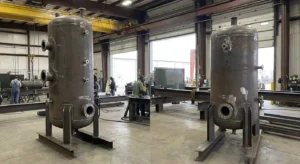
When to Spec Equalization Tanks for Industrial Systems
How Do Equalization Tanks Balance Flow?
- How U.S. Nuclear Pressure Vessels Power American Nuclear Plants
- How Food Processing Pressure Vessels Support U.S. Food Plants
- Role of American Chemical Pressure Vessels in Plant Operations
- How American Marine Pressure Vessels: U.S. Maritime Operations
- Aerospace Applications of American Aerospace Pressure Vessels
- How Pressure Vessels for Pharmaceuticals Support U.S. Drug Manufacturing



